3D Printing
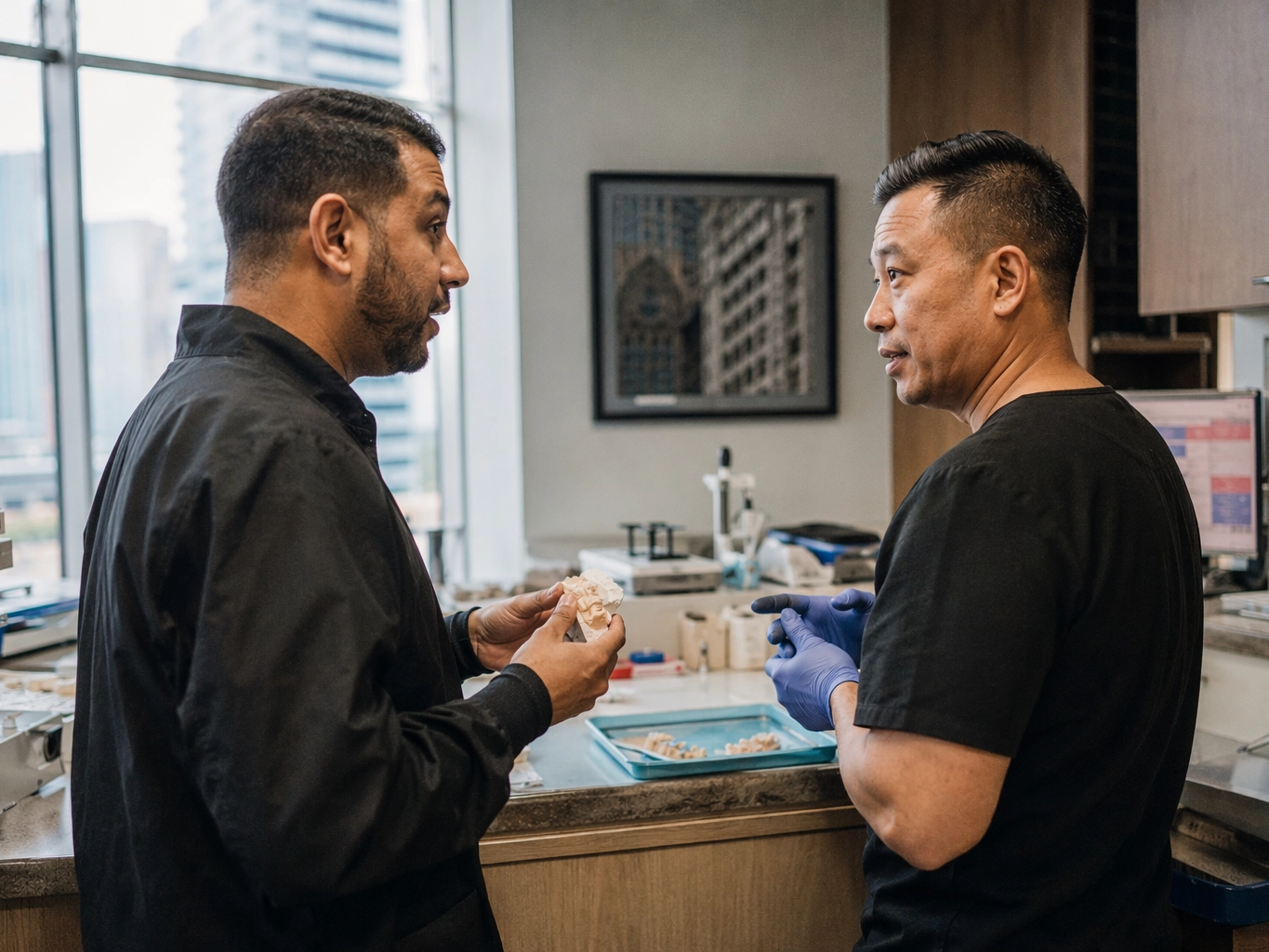
3D Printing is a manufacturing process that builds physical objects layer by layer from a digital file. In dentistry, it is used to make models, surgical guides, aligners, and temporary restorations with high shape control.
Browse 35 essential dental tourism terms and definitions used by professionals in Chicago.
Term Index
Every term and its definition, all on this page.
3D Printing is a manufacturing process that builds physical objects layer by layer from a digital file. In dentistry, it is used to make models, surgical guides, aligners, and temporary restorations with high shape control.
Abutment is a connector placed on a dental implant or a supporting tooth to hold a crown, bridge, or denture in position. In implant dentistry, an abutment is usually fitted after healing and shapes the final restoration for function and appearance.
Acrylic Teeth are denture teeth made from acrylic resin, a durable plastic used to replace missing natural teeth. They are lighter than porcelain teeth and are commonly used in complete and partial dentures because they are easier to adjust and less likely to wear opposing teeth.
Alveolar Bone is the part of the jaw that surrounds and supports the roots of teeth. It can reshape in response to tooth loss, infection, or pressure, which makes its health important in dental implants and Other restorative treatment planning.
Bone Graft is a surgical procedure that adds bone or bone-like material to a jaw or Other area with lost bone volume. It is commonly used to rebuild support for dental implants, repair defects after injury or disease, and help natural bone grow into a stable structure.
CAD/CAM is computer-aided design and computer-aided manufacturing used to plan and produce dental restorations from digital files. Dental labs and clinics use CAD/CAM to design crowns, bridges, and Other restorations with digital scans and milling or 3D printing tools.
CT Scan is a specialized X-ray imaging test that creates detailed cross-sectional views of the body and surrounding tissues. In dentistry, CT Scan can help evaluate teeth, jawbone, nerves, and sinus structures before complex treatment.
Cement-Retained is a dental restoration design in which a crown or bridge is bonded to an implant abutment with dental cement. A dentist often uses this approach when a hidden screw access hole is preferred for appearance or when angulation makes screw retention less suitable.
Dental Bridge is a fixed prosthetic restoration that replaces one or more missing teeth by anchoring an artificial tooth to adjacent natural teeth or dental implants. Dental bridges are commonly used when nearby teeth can support the restoration and help maintain chewing function and tooth alignment.
Dental Crown is a custom cap placed over a damaged or weakened tooth to restore its shape, strength, and appearance. Dentists also use a crown after root canal treatment or to protect a tooth with a large filling when extra support is needed.
Digital Impressions is a 3D scan of teeth and gums created with an intraoral scanner instead of messy impression material. Dentists use digital impressions to plan crowns, bridges, aligners, and Other restorations because the scan can improve comfort and reduce the need for repeat impressions.
Edentulism is the condition of being without natural teeth in part or all of the mouth. Full edentulism affects the entire dental arch, while partial edentulism involves the loss of one or more teeth and often requires prosthetic replacement for chewing and speech.
Endosseous Implant is a dental implant placed into the jawbone to replace a missing tooth root. A dentist or oral surgeon places the implant in bone, where it can support a crown, bridge, or denture after healing.
Full-Arch Prosthesis is a dental restoration that replaces all teeth in an upper or lower jaw with a fixed or removable appliance. It is used when most or all teeth are missing or cannot be saved, and it restores chewing, speech, and appearance.
Gingival Recession is the loss of gum tissue that exposes more of a tooth or its root. It often results from periodontal disease, aggressive brushing, trauma, or thin gum tissue and can increase tooth sensitivity, decay risk, and cosmetic concerns.
Healing Abutment is a small temporary cap placed on a dental implant after surgery to shape the gum tissue during healing. It helps create a natural opening for the final restoration and is usually removed or replaced before the permanent crown is attached.
Immediate Load is a dental restoration approach that places a temporary crown, bridge, or denture soon after an implant is inserted. The method is used when the implant has enough initial stability to support early function without waiting months for full healing.
Implant Post is a titanium or ceramic fixture placed in the jawbone to replace a tooth root and support a dental crown, bridge, or denture. A dentist first places the post in bone, then a restoration is attached after healing and integration with surrounding tissue.
Intraoral Scanner is a handheld dental device that captures digital images of the teeth and gums inside the mouth. Dentists use it to create detailed 3D models for crowns, bridges, aligners, and Other restorations without conventional impression material.
Osseointegration is the direct structural and functional connection between living bone and the surface of an implant. Dental implants depend on osseointegration for stability, because bone grows tightly around the implant and helps support long-term chewing forces.
Overdenture is a removable dental prosthesis that fits over and is supported by retained teeth, tooth roots, or dental implants. A common use is to improve stability and chewing function while preserving some natural support in the mouth.
Peri-Implantitis is an inflammatory disease around a dental implant that damages the surrounding gum and bone. Plaque buildup is the main cause, and untreated cases can lead to loosening, bone loss, and implant failure.
Porcelain Fused to Metal is a dental crown or bridge with a metal substructure covered by tooth-colored porcelain. Dentists use it when added strength is needed, especially for back teeth and longer bridges, because the metal supports the restoration while the porcelain improves appearance.
Prosthodontics is the dental specialty focused on restoring and replacing missing or damaged teeth and oral structures. Prosthodontic care commonly includes crowns, bridges, dentures, and implant-supported restorations to improve chewing, speech, and appearance.
Radiographic Guide is a dental appliance or template used during X-ray or imaging procedures to show the planned position of teeth, implants, or Other structures. It helps clinicians align images and confirm anatomy before treatment, especially in implant planning and Other restorative cases.
Residual Ridge is the bony ridge that remains in the jaw after a tooth is lost or removed. Dentists evaluate its shape, height, and width because the ridge supports dentures, implants, and Other oral prostheses.
Sinus Lift is a surgical procedure that adds bone to the upper jaw near the sinus floor. It is commonly used before dental implants when the back upper jaw does not have enough bone height to support stable placement.
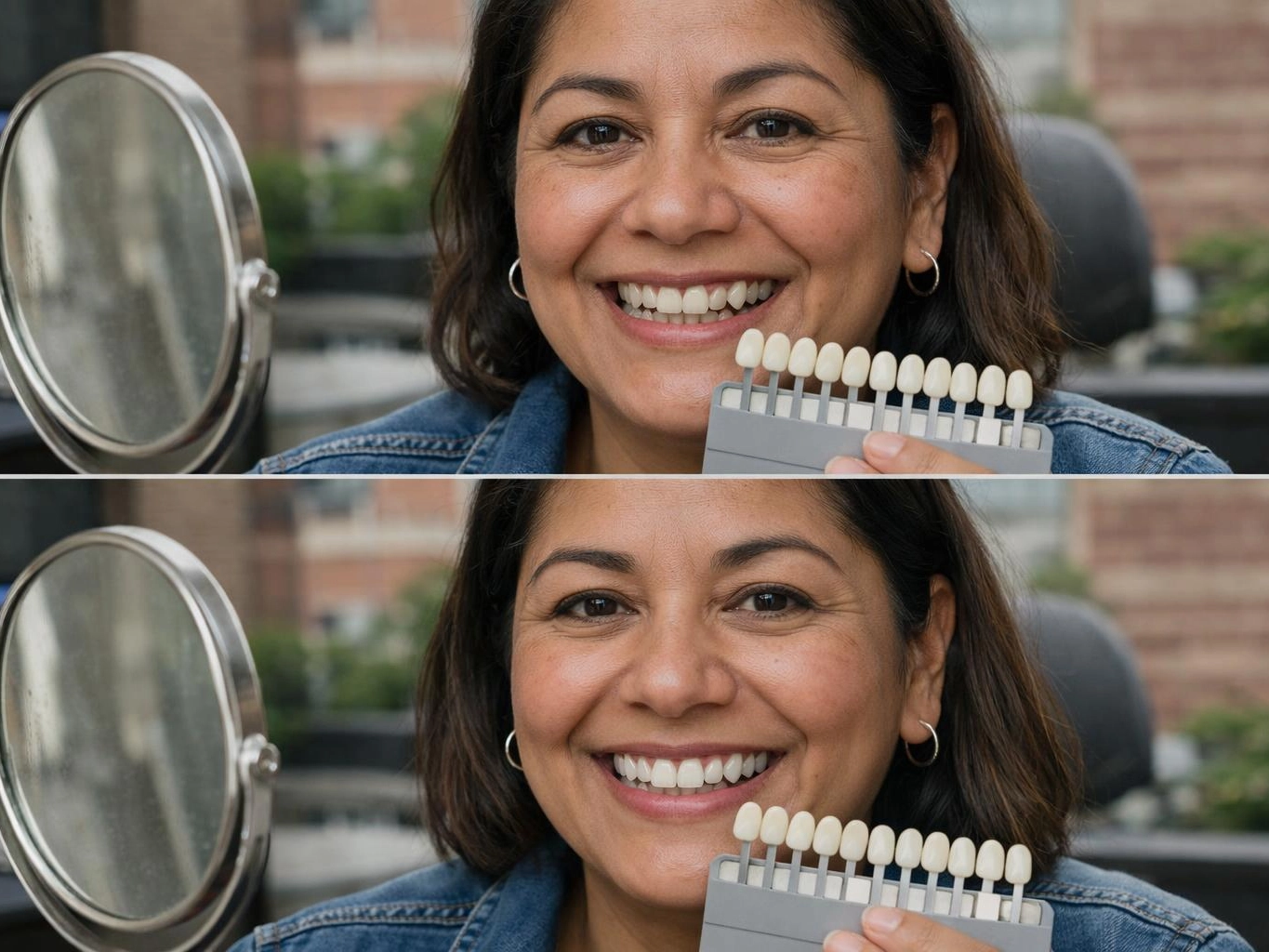
Smile Design is a cosmetic dentistry planning process that evaluates tooth shape, color, alignment, and gum line to improve the look of a smile. A dentist may use digital images, models, or mockups to plan changes that fit the patient’s bite, facial features, and oral health.
Temporary Prosthesis is a removable or fixed dental replacement used for a short period after tooth removal, implant placement, or while a permanent prosthesis is being made. It helps preserve appearance, chewing function, and spacing, but is not intended for long-term use.
Titanium Implant is a dental implant made from titanium that is placed into the jawbone to replace a missing tooth root. Titanium is widely used because it is strong, durable, and can fuse with bone through osseointegration.
Treatment Planning is the organized process of evaluating a patient's oral health and sequencing needed dental care. A good plan weighs diagnosis, risks, timing, costs, and patient goals so treatment can be delivered in a safe, logical order.
Veneer Prep is the tooth preparation done before placing a dental veneer. Enamel is usually reshaped in a small amount so the veneer fits well, looks natural, and bonds securely. The goal is to create space while preserving as much healthy tooth structure as possible.
Zirconia Bridge is a dental prosthesis made from zirconium dioxide that replaces one or more missing teeth by attaching to adjacent teeth or implants. Dentists often choose zirconia for its strength, wear resistance, and tooth-colored appearance in back or front mouth areas.
Zirconia Crown is a dental crown made from zirconium dioxide, a strong ceramic used to restore damaged or weakened teeth. It is valued for high fracture resistance and a tooth-colored appearance, and dentists often use it for molars, bridge support, or patients who want a metal-free restoration.
Zygomatic Implant is a long dental implant anchored in the cheekbone, or zygomatic bone, rather than the upper jaw. Oral surgeons use it when severe upper jaw bone loss makes standard implants difficult or impossible.