Full Mouth Reconstruction in Mexico for Chicago Patients
Full mouth reconstruction in Mexico can give Chicago patients a lower-cost way to rebuild damaged teeth, fix bite problems, and complete complex care in one plan. The key is choosing a trusted dental tourism provider that handles records, travel, and follow-up care.
Full mouth reconstruction in Mexico is a coordinated treatment plan that rebuilds the whole mouth with crowns, bridges, implants, veneers, extractions, and bite correction. For Chicago patients, it combines broad care with travel savings and one clear treatment path.
What Full Mouth Reconstruction in Mexico Includes for Chicago Patients?
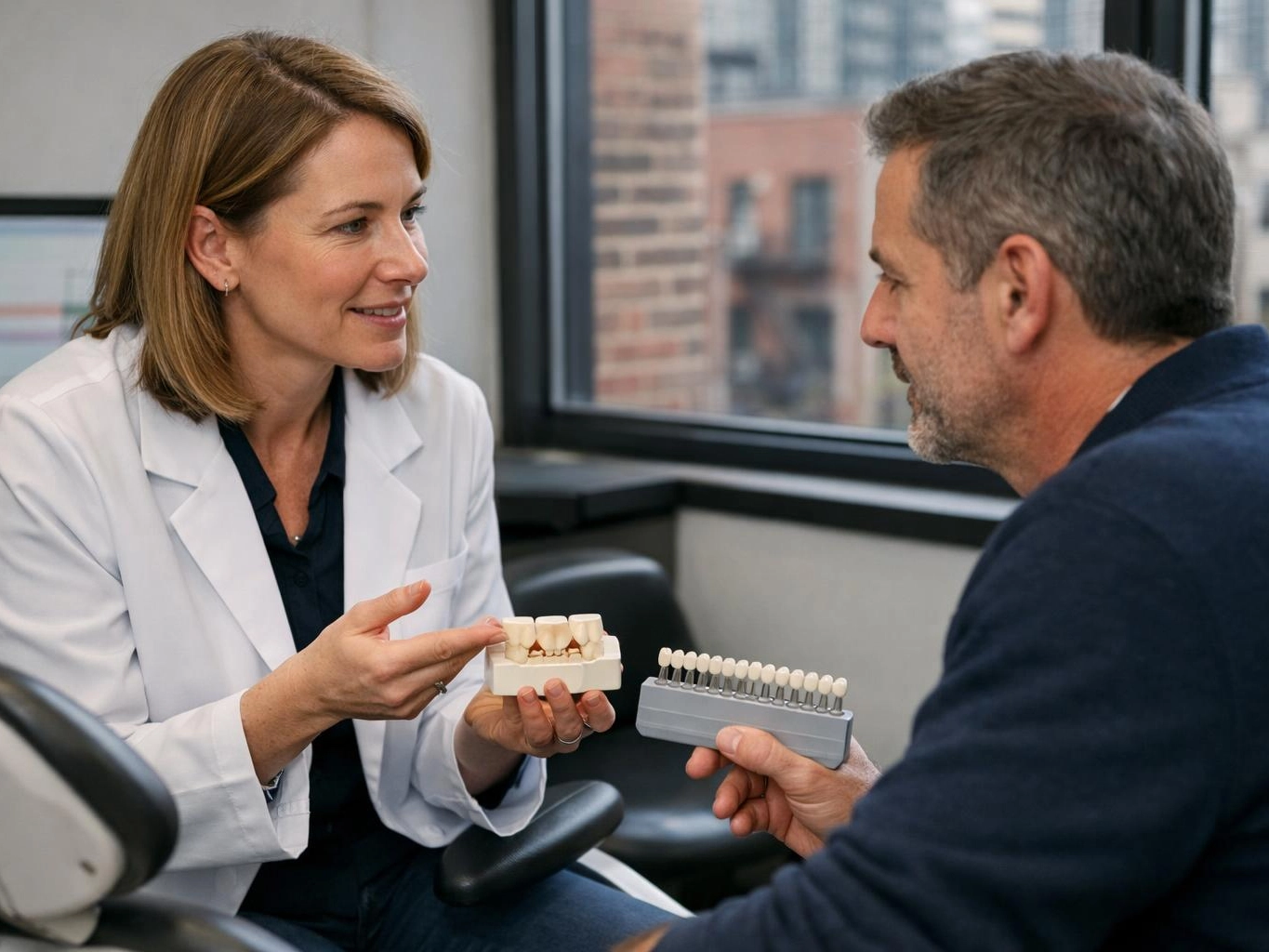
Full-mouth reconstruction is a broad form of restorative dentistry that may mix prosthodontics, oral surgery, and implant dentistry in one plan. For Chicago patients, it can mean fixing worn teeth, replacing missing teeth, and rebuilding occlusion so the bite works again. In many cases, the plan includes a panoramic X-ray, a CBCT scan, and a step-by-step treatment review before travel.
This kind of complete dental reconstruction is different from a single repair. It is a whole-mouth approach that may include temporary restorations, gum therapy, and final prosthetics like an implant-supported bridge or crowns and bridges rehabilitation. Because the case is complex, the clinic and patient need a clear plan for cross-border care, record sharing, and healing time. Chicago patients often like the chance to bundle care instead of visiting several offices.
In practical terms, full-mouth restoration in Mexico usually starts with diagnostic records and a virtual consult, then moves to in-person treatment. The patient may receive extractions, implants, bone or gum support, and then final smile reconstruction after healing. This matters for people who want a steady plan with fewer handoffs. It also helps when local specialist coordination in a large city like Chicago would add cost and delay.
Dental tourism and full-mouth reconstruction fit together when the case needs many procedures, coordinated specialists, and a lower total cost than doing each step locally. Chicago patients often use this path for staged rehab, implant-supported restorations, and cases that need a well-planned timeline.
When Dental Tourism and Full-Mouth Reconstruction Belong Together?
For many patients, the main benefit is not just price. It is the chance to finish a structured rehab plan without stretching it out for months. That matters when winter weather in Chicago makes repeat travel harder and when the patient wants to avoid extra time off work.
Chicago patients should consider Mexico for treatment when they need broad restoration after tooth loss, repeated dental failures, severe wear, gum disease, or a collapsed bite. These cases usually need several specialties working together, so a structured dental tourism plan can be more efficient.
Cases Where Chicago Patients Should Consider Mexico for Treatment
These are the cases where complete dental reconstruction can be more practical than piecemeal care. A patient may need oral surgery, provisional teeth, and final prosthetics in a careful sequence. In a metro area as large as Chicago, that level of specialist coordination can be costly and time-consuming, so many people compare total travel-based value before deciding.
Treatment quality depends on credentials, diagnostics, materials, infection control, and a realistic follow-up plan. Chicago patients should compare provider standards, ask how records are shared with their home dentist, and confirm what happens if adjustments or complications are needed after they return.
How to Compare Treatment Quality, Safety, and Follow-Up Care?
Good outcomes depend on more than the procedure itself. The best clinics explain treatment steps, show how they handle cross-border care, and give you a clear path for adjustments after you go home. That matters for patients who want long-term stability, not just a quick surgery trip.
A Mexico treatment plan for Chicago patients usually starts with a remote consult, then travel for diagnostics and major procedures, followed by healing and a second visit for final restorations if needed. The best plans cut wasted trips by matching clinical stages with travel plans.
What a Mexico Treatment Plan Looks Like from Chicago?
| Stage | What happens | Chicago travel note |
|---|---|---|
| Consultation | Remote review of photos, records, and goals before any flight planning. | Useful for patients who want to minimize repeat visits during winter weather. |
| Flight planning | The clinic and coordinator match the procedure calendar to travel dates. | Tight scheduling helps patients manage traffic, work leave, and airport time. |
| Procedure timeline | Major treatment, such as extractions, implants, or bridge prep, is completed in a set block. | Good sequencing cuts down on extra flights and missed appointments. |
| Temporary restorations | Patients may leave with provisional teeth while tissues heal. | This keeps function and appearance stable between visits. |
| Healing period | The mouth recovers before final prosthetics or adjustments are completed. | A second trip is often planned only when healing supports the final step. |
The ideal plan avoids wasted travel by matching the treatment sequence to the trip schedule. For a Chicago patient, that means fewer problems from weather, traffic, and airport logistics. It also helps the provider line up local follow-up if the case needs later adjustment.
A Chicago coordinator is useful when the case is complex, the timeline is tight, or the patient wants help managing records, scheduling, travel, and post-treatment follow-up. Coordination lowers friction between the Mexico clinic and the patient’s Chicago-based dental care.
When to Use a Chicago Coordinator for Dental Tourism?
A coordinator can also help patients compare total-trip value against local treatment. That matters in a city with wide geography and heavy traffic, where even simple appointments can take planning. For larger cases, the right support keeps the process orderly and lowers stress.
Chicago patients often want to know what is included, how long treatment takes, which materials are used, whether follow-up is possible in the U.S., and how recovery affects travel. Clear answers help them judge whether the plan is medically and financially practical.
Questions Chicago Patients Ask Before Booking in Mexico
Before booking, ask about pricing, recovery time, and the exact materials used for crowns, implants, and bridgework. Patients also need to know whether follow-up visits are expected, whether a local dentist in Chicago can handle later checks, and how long they should stay after surgery or prosthodontic work.
It is smart to ask what the quoted fee includes, such as consults, scans, sedation dentistry, temporary restorations, and any second-stage work. That gives you a clear picture of travel costs and recovery needs before you commit to cross-border care.