Full Mouth Reconstruction Checklist Before Treatment in Chicago
Full mouth reconstruction before treatment should include a full exam, digital imaging, bite analysis, gum health evaluation, medical history review, treatment sequencing, and a clear recovery plan. In Chicago, patients should also confirm travel timing, seasonal scheduling, and local specialist coordination before starting. This checklist helps spot risks early, line up crowns, bridges, and veneers with your goals, and prepare for a safer, more predictable restoration.
Full mouth reconstruction checklist before treatment requires pre-treatment evaluation, planning, and preparation steps for full-mouth reconstruction in Chicago. In practice, that means a comprehensive exam, digital X-rays and a CBCT scan when needed, plus bite analysis and periodontal evaluation before any final restorations are made. The goal is better restorative dentistry outcomes, fewer surprises, and a plan that fits your health, schedule, and budget.
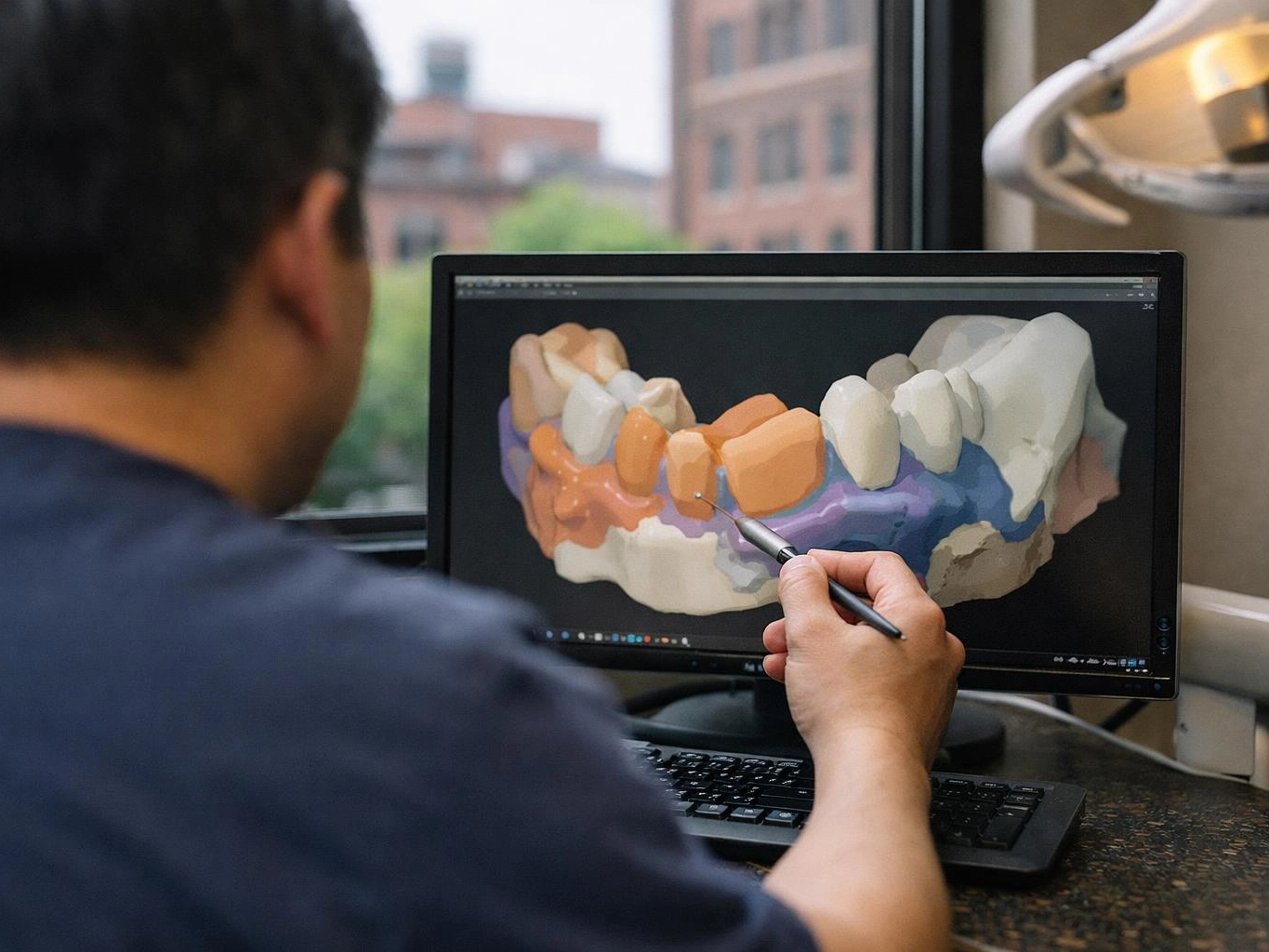
This first review also checks comprehensive exam findings, radiographs, occlusal records, and treatment sequencing so the dentist can decide what should happen first. A careful prosthodontic treatment planning visit helps connect the pre-treatment exam to later phases like provisional crown phase work, custom crowns, or mouth restoration with stable jaw alignment.
What Should Be Checked Before Full Mouth Reconstruction?
Full mouth reconstruction should start with a comprehensive oral exam, digital imaging, bite analysis, and a staged treatment plan. These steps find decay, cracked teeth, gum disease, jaw misalignment, and missing teeth before any crowns, bridges, or veneers are placed. In Chicago, a careful start also helps patients plan around traffic, commute time, and any follow-up visits that may be harder in winter weather.
The first pass should include a comprehensive oral examination, digital X-rays, and often a CBCT scan to map roots, bone, and supporting structures. The dentist should also study occlusion, jaw alignment, and the temporomandibular joint so the final bite is stable. This is where full-mouth rehabilitation becomes true prosthodontic treatment planning rather than a set of separate repairs.
After the findings are collected, the team should rank needs in order: disease control, restorability decisions, provisional restorations, then final work. That treatment sequencing matters because a mouth with gum disease or tooth decay cannot be rebuilt well until active problems are controlled. Good planning also shows how porcelain veneers, zirconia crowns and bridges, and Other restorations will work together.
Before Treatment: Your Chicago Prep Checklist
Before treatment, Chicago patients should review medical history, address gum inflammation, stabilize active dental disease, and confirm whether they need hygiene visits or periodontal care first. This preparation lowers complication risk and helps the reconstruction plan fit the patient’s health, bite, and timeline. It also makes scheduling easier if you’re balancing work travel, winter weather, or local specialist coordination.
Confirm Which Teeth Can Be Saved
Restorability should be checked tooth by tooth before you commit to a full-mouth plan. Teeth with enough sound structure may be candidates for root canal therapy, crowns, or veneers, while teeth with deep fractures, severe decay, or poor support may need tooth extraction. This decision shapes the final design of the mouth restoration and prevents wasted work.
A strong consult should explain which teeth can be maintained, which need buildup, and which are better removed before restorative dentistry moves forward. That clarity helps the team choose the right bridge spans, custom crowns, and replacement options without guessing.
Use a Numbered Planning List for Each Treatment Phase
A full mouth reconstruction plan should be broken into phases: diagnostics, disease control, provisional restorations, final restorative work, and follow-up checks. This structure helps the dentist sequence crowns, bridges, and veneers in the right order and lowers the chance of bite or esthetic problems. It also gives patients a realistic timeline for recovery and adjustments.
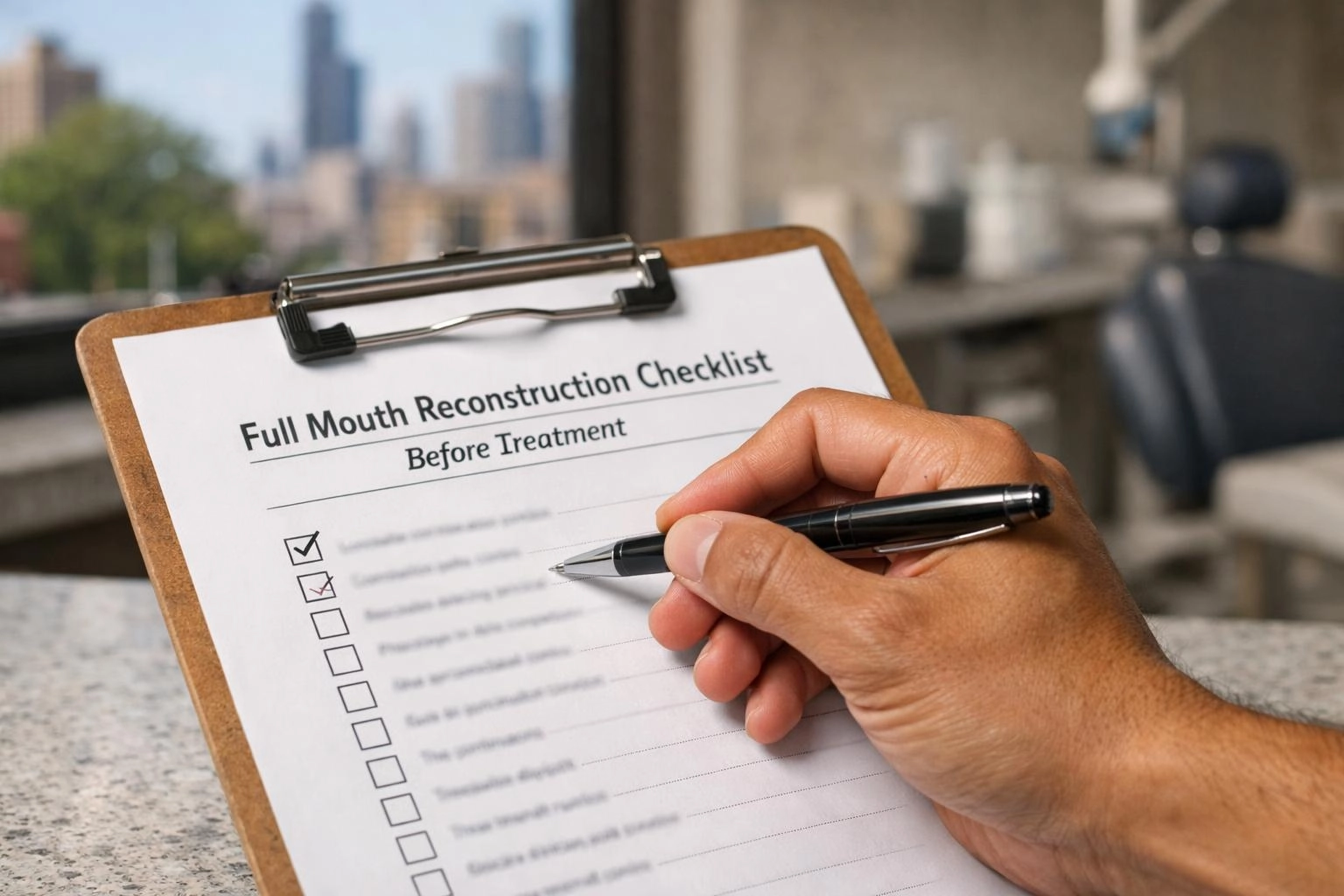
Each phase should end with a clear decision point. That makes it easier to coordinate custom crowns with Other care, keeps the provisional crown phase useful, and supports better long-term stability after the final restorations are delivered.
What Red Flags Mean Treatment Should Wait?
Red flags such as active gum disease, untreated cavities, teeth grinding, or uncontrolled systemic conditions can delay full mouth reconstruction. These issues can hurt healing, weaken restorations, and raise the need for retreatment, so they should be corrected before final work begins. Waiting is often the safer choice when the mouth or body is not ready.
If one of these is present, the plan should shift back to stabilization first. That protects the investment in full mouth reconstruction and lowers the chance that final porcelain veneers or zirconia crowns and bridges will fail early.
Which Records and Materials Should You Bring to the Consult?
Patients should bring prior dental records, recent radiographs, medication lists, and any bite or jaw history to the consult. These materials help the dentist compare past and current conditions, plan crowns or veneers accurately, and avoid repeating diagnostic steps unnecessarily. They are especially useful when a case includes outside care, older bridges, or prior root canal therapy.
| What to bring | Why it helps |
|---|---|
| Photographs | Show facial esthetics, tooth wear, and smile goals for planning porcelain veneers or Other cosmetic steps. |
| Previous dental records | Reveal past treatment, restorability history, and any notes about gum disease, tooth decay, or bite changes. |
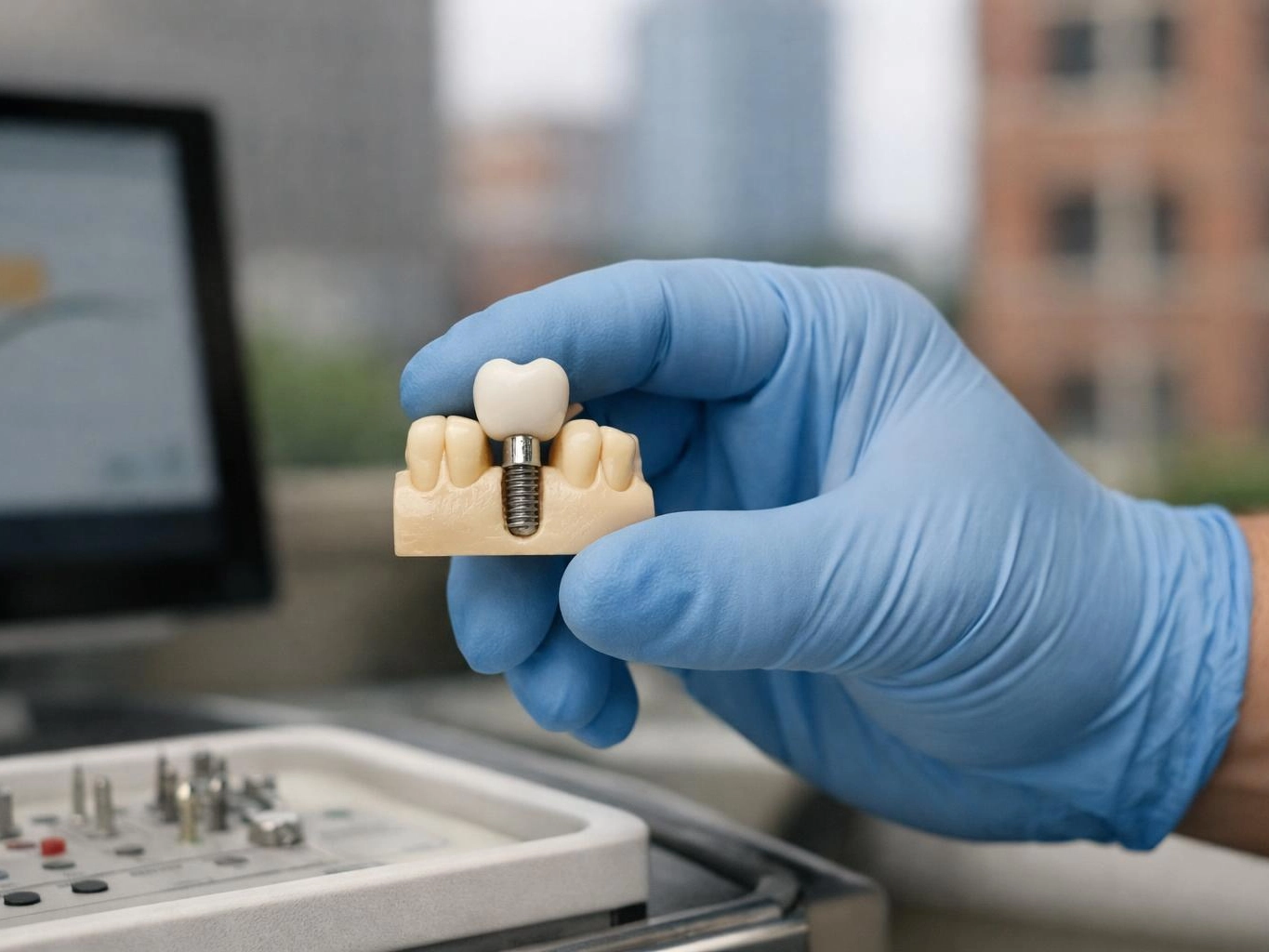
| CBCT scan | Provides 3D detail for implant planning, roots, and bone support when needed for reconstruction. |
| Digital impressions | Help the team build accurate models for bite records, custom crowns, and provisional restorations. |
Bring any notes about jaw soreness, past splints, or grinding habits as well. Those details give the clinician a better picture of occlusion and can reduce the chance of avoidable adjustments later.
How Does Chicago Location Affect Your Treatment Checklist?
Chicago location affects treatment planning because follow-up visits, traffic patterns, and seasonal travel can influence appointment timing and recovery logistics. Patients who are combining care with dental tourism should coordinate staging, provisional checks, and final delivery dates before starting reconstruction. That is especially important when several visits are needed for restorative dentistry.
Chicago traffic and commute variability can make same-day adjustments harder, so the plan should leave room for extra time if a bite change or temporary repair is needed. Winter weather can also make multi-visit scheduling and post-op travel less convenient, which means seasonal scheduling should be discussed early. For people flying in or arriving from out of state, the treatment calendar should be tighter still.
Local coordination matters when the case involves a specialist, a lab, or a provider handling zirconia crowns and bridges alongside porcelain veneers. A well-built schedule reduces missed follow-ups and helps the final restoration arrive on time, with fewer surprises for the patient.
Frequently Asked Questions
Ready to start a safer plan? If you want a step-by-step consult for full mouth reconstruction, bring your records, ask about treatment sequencing, and confirm your travel timing before you begin. Get a Free Estimate
Related Resources
Dental Tourism for Full-Mouth Reconstruction
full mouth reconstruction in mexico
What Goes With ItDental Tourism for Porcelain Veneers and Smile Makeovers
porcelain veneers in mexico
What Goes With ItDental Tourism for Zirconia Crowns and Bridges
zirconia crowns in mexico
Compared ToPorcelain Veneers vs Composite Veneers