All-on-4 Dental Implant Mistakes to Avoid in Chicago
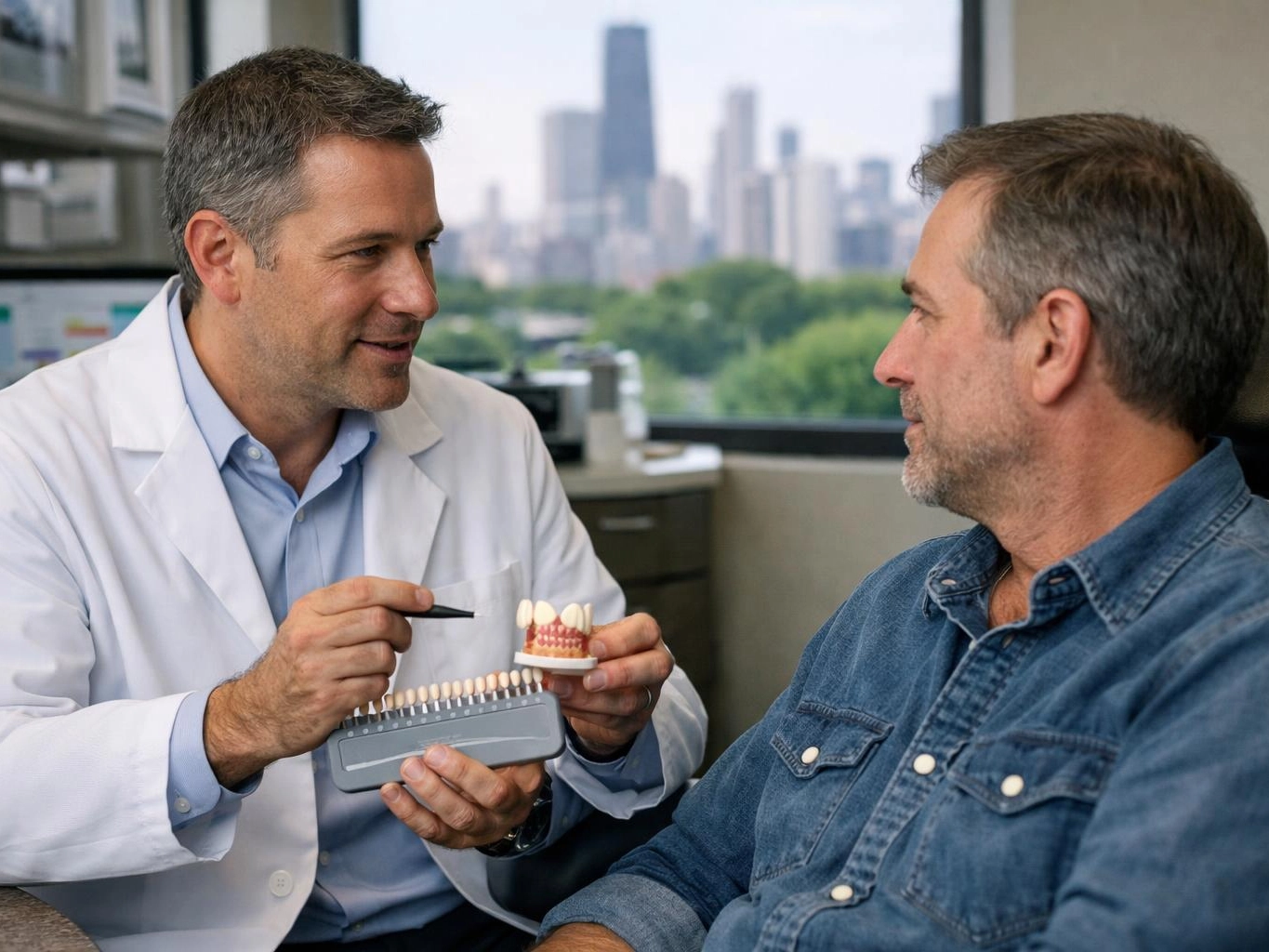
All-on-4 dental implant mistakes are usually planning mistakes: skipping 3D imaging, choosing the wrong candidate, ignoring bone quality, rushing immediate teeth, and not checking the implant system or provider experience. In Chicago, patients can avoid costly revisions by confirming CBCT-based planning, reviewing medical and smoking risks, and getting a full-arch evaluation before treatment.
All-on-4 dental implants can go wrong when patients choose full-arch treatment without the right imaging, candidacy review, and system check. The biggest problems usually start before surgery, during diagnosis, bite planning, and prosthetic design. In a Chicago dental implant consultation, the safest move is to review bone loss, gum disease, smoking history, and maintenance needs before anyone sets a date.
For Chicago, IL dental tourism market patients, this matters even more because travel can make follow-up harder. Downtown and suburban providers may differ in CBCT scan access, lab coordination, and staged appointments. Chicago winter weather can also make return visits tough. A good full-arch plan should match anatomy, osseointegration goals, and cleaning access, not just the promise of same-day teeth.
What Are the Most Common All-on-4 Mistakes to Avoid?
All-on-4 mistakes to avoid are mostly planning errors: ignoring 3D imaging, picking an unsuitable candidate, underestimating bone loss, and failing to verify the implant protocol before surgery. Patients in Chicago can lower risk with a full-arch evaluation that matches anatomy, bite forces, and long-term care needs.
The most common mistakes with All-on-4 dental implants usually start before the first incision. A provider may skip virtual surgical planning, rely on limited records, or assume the jaw can handle immediate load without a close review. That can lead to a loose provisional prosthesis, bite problems, or a final bridge that needs extra adjustment.
Another issue is treating the All-on-4 treatment concept like a one-size-fits-all product. A fixed hybrid prosthesis must fit the patient’s bone density, gum health, and occlusion. In the Chicago area, where patients may compare local care with dental tourism options, it’s smart to ask who handles follow-up, repairs, and emergency support after surgery.
Skipping 3D Imaging and Virtual Planning
Skipping 3D imaging is a serious mistake because a CBCT scan shows bone height, bone width, sinus shape, and nerve mapping that plain X-rays can miss. Without virtual surgical planning, implant placement may be less stable, and the abutment angles may not support the prosthetic design well. That can raise surgery time, stress on the bridge, and the chance of revision.
The fix is simple: ask for CBCT-based planning before treatment and make sure the provider explains the path from scan to provisional prosthesis. Good planning supports safer implant angles and better long-term osseointegration. It also helps the team decide whether the case fits immediate load or needs a more cautious approach.
Choosing All-on-4 Without Checking Candidacy
Choosing the full-arch option without checking candidacy can fail when bone volume, gum health, or bite forces do not match the plan. A patient may need more support than a standard All-on-4 protocol can provide, especially if severe bone loss or active infection is present. In those cases, the wrong plan can create longer healing, weaker stability, and higher cost later.
The fix is a true eligibility review that includes medical history, dental infection control, and a realistic discussion of occlusion. If the jaw cannot support the design predictably, the better answer may be another oral rehabilitation approach, such as a different implant count or staged bone augmentation. A careful provider should explain why before any surgery is booked.
Rushing Same-Day Teeth Without Understanding the Limits
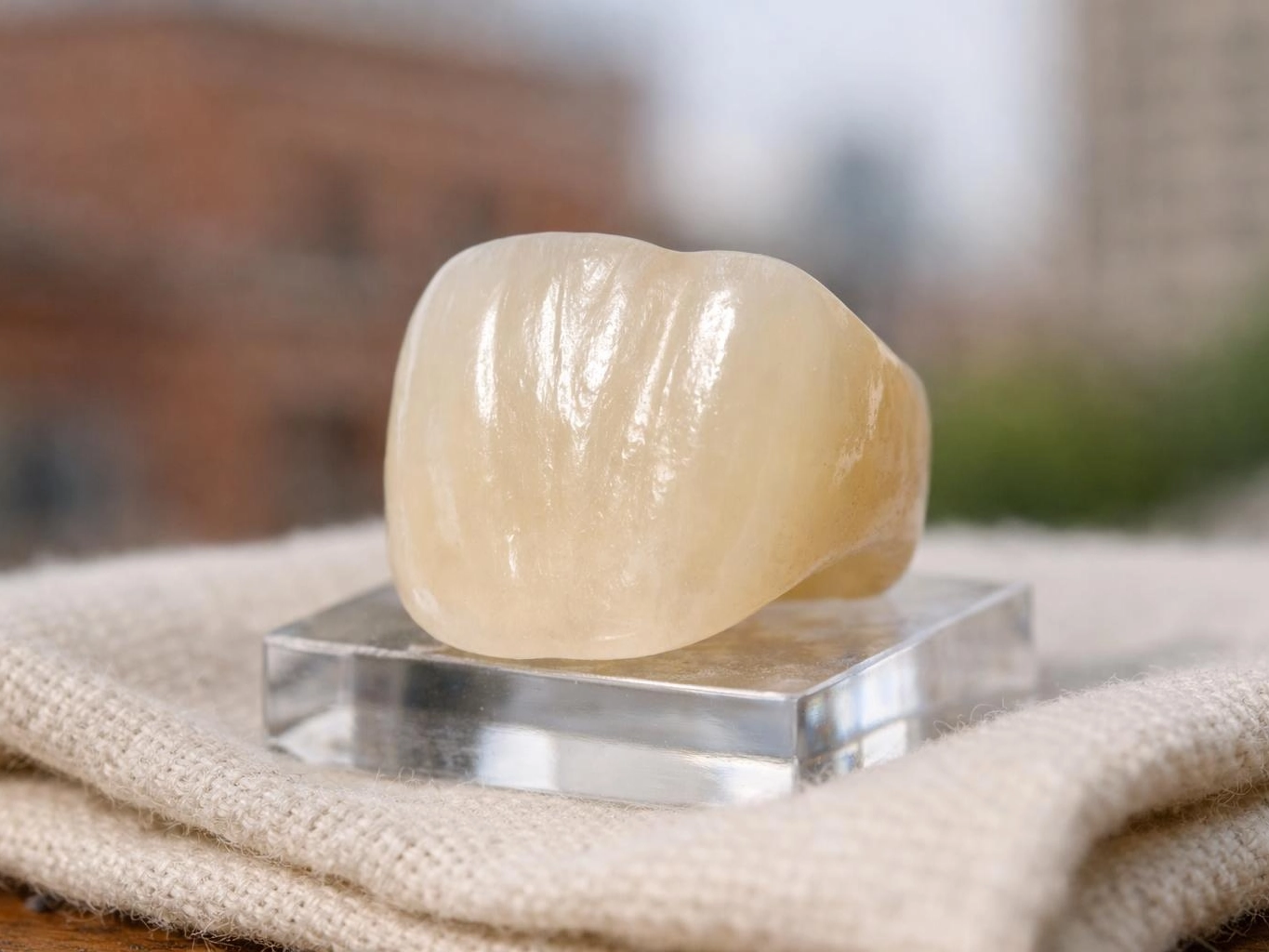
Rushing same-day teeth can be a mistake when patients think the first bridge is already the final restoration. Immediate load is useful, but the temporary prosthesis still needs healing, bite checks, and later refinement. If the provisional bridge is overloaded too early, it can chip, loosen, or put stress on healing implants.
The fix is to understand that same-day function does not mean the case is finished. Most plans use a healing period before the final prosthesis is made or adjusted. Ask how long the provisional bridge will stay in place, what foods are allowed, and how the office tracks changes during recovery.
Not Confirming the Implant Brand, Lab, and Prosthetic Design
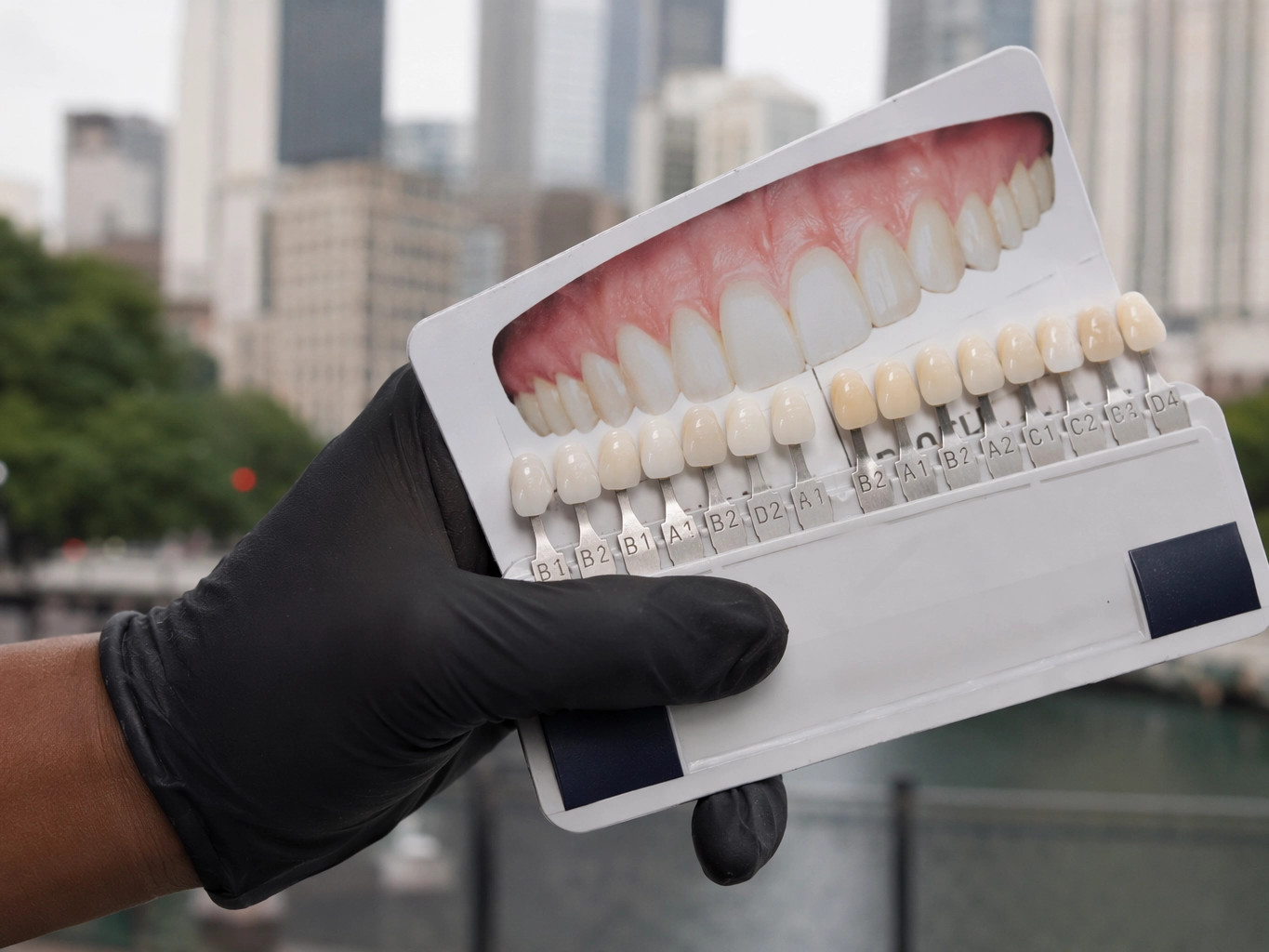
Not confirming the implant brand, lab, and prosthetic design can create maintenance problems later. The implant manufacturer affects abutment compatibility, part availability, and how easy repairs are if something loosens. A poor lab workflow can also lead to an uneven full-arch prosthesis, weak occlusion, or a bridge that looks good but does not function well.
The fix is to ask which system is used, who makes the bridge, and how prosthetic components are supported long term. A reliable provider should explain brand compatibility and whether replacement parts are available years later. That matters if you want predictable service and fewer surprises with the restoration.
Before getting All-on-4 implants, patients should know that the treatment is a surgical and prosthetic system, not just a quick tooth replacement. The best results come from checking bone, bite, gum health, medical risks, and maintenance expectations first, especially when choosing a provider in Chicago for full-arch reconstruction.
Think of this as full-arch implant restoration planning, not a single appointment. A safe plan looks at medical history, smoking history, gum disease, occlusion, and how often you can return for care. That matters in a city where winter travel can complicate follow-up and where downtown or suburban offices may offer different levels of scan access and lab coordination.
What Should You Know Before Getting All-on-4 Implants?
Before treatment, you should also know that implant surgery and prosthetic design are linked. The angle of each fixture affects the abutment path, the bite, and how easy the bridge is to clean. A clear consultation should explain likely outcomes, possible complications, and why one treatment plan fits better than another.
In Chicago, it’s wise to ask about staged appointments, emergency access, and whether the team can coordinate with a local lab if repairs are needed. That kind of planning matters if weather, traffic, or dental tourism choices make repeat visits harder than expected.
How a Full-Arch Consultation Should Be Structured?
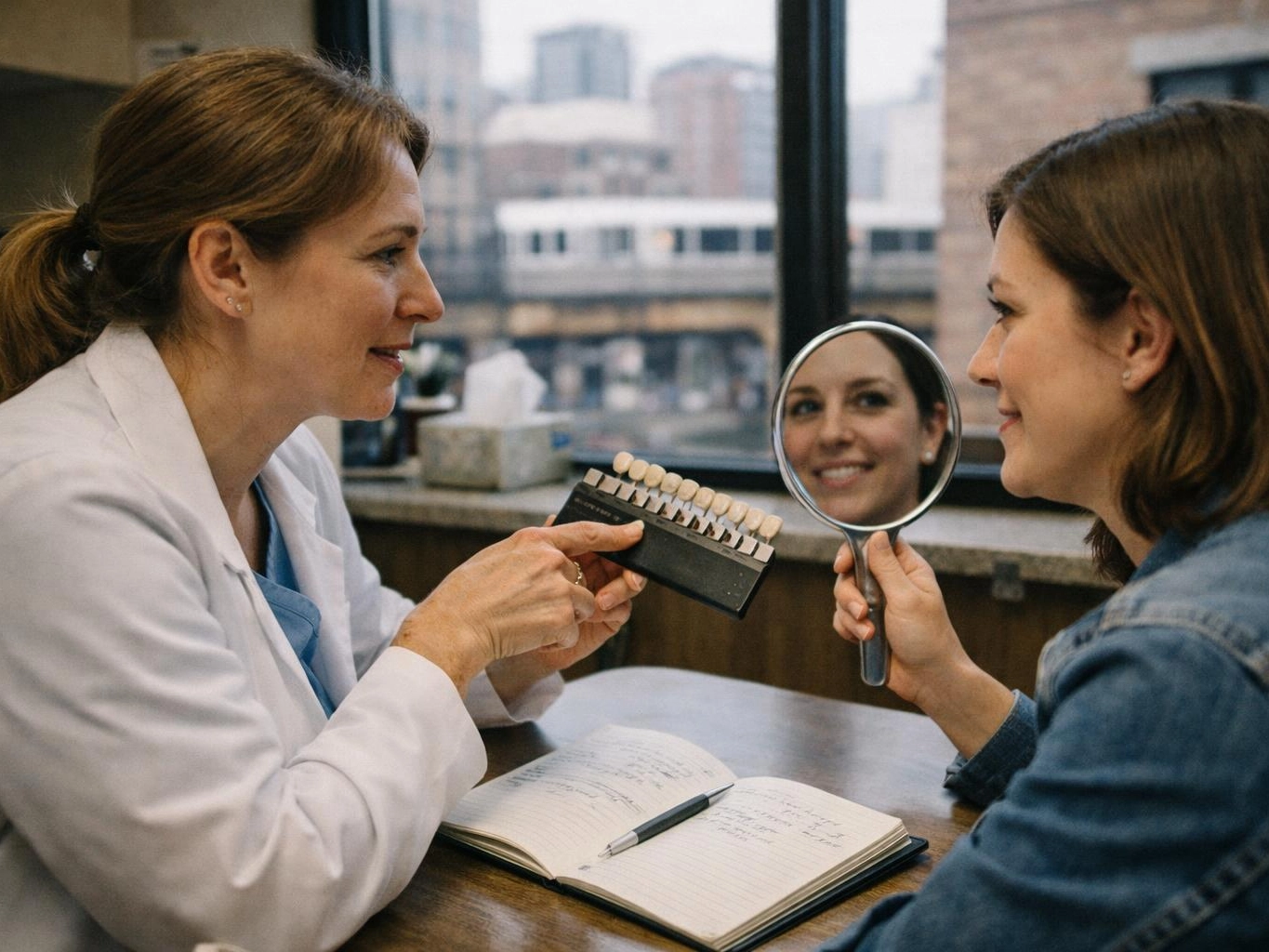
A strong consult should end with clear next steps, not vague promises. You should know whether you are a candidate, what the healing period looks like, and how the provider will handle adjustments after immediate function begins.
Who May Not Be a Good Fit for All-on-4?
Some patients still qualify after medical stabilization or staged care, but a standard protocol may not be the right path. The safest choice is to let eligibility criteria guide the plan instead of forcing a treatment to fit the wish for fast results.
What to Compare Before Choosing a Treatment Plan?
| Option | Best for | Main tradeoff |
|---|---|---|
| All-on-4 | Patients who want a fixed full-arch plan with limited implants | May need careful candidate selection and precise planning |
| All-on-6 | Cases needing more implant support or load distribution | Can require more space, planning, and cost |
| Bone grafting | Patients with poor ridge shape or volume | Adds healing time before final restoration |
Comparing these options helps prevent a mismatch between anatomy and treatment. A good provider explains when grafting, a different implant count, or a staged approach is better than rushing into a single fixed plan.
3D imaging is one of the most important steps before All-on-4 treatment because it shows bone height, bone width, sinus position, nerve location, and implant angles. Without CBCT-based planning, a provider can miss anatomy that affects stability, safety, and the final fit of the full-arch prosthesis.
This is where virtual surgical planning adds value. The scan helps the team map the implant path, check for nerve mapping issues, and decide whether the bone can support immediate load. It also supports better prosthetic design, because the final bridge must fit both the bone and the bite.
In practical terms, 3D imaging reduces guesswork. It helps a Chicago provider plan around a narrow ridge, a low sinus, or hidden bone loss that a simple two-dimensional image might miss. That can lower the risk of revision and improve how the abutment and full-arch restoration work together over time.
Do You Need 3D Imaging Before All-on-4 Treatment?
Yes, you generally need 3D imaging before All-on-4 treatment because a CBCT scan gives the detail needed for safe planning. It shows the bone, nerves, and sinus anatomy that guide implant placement and final fit. That information is central to surgical diagnosis and long-term success.
Without that scan, the office may underestimate bone deficiency or miss a nerve pathway that changes the plan. The result can be poor implant angles, a weaker bridge, or a more difficult healing process. For patients comparing providers, asking about CBCT is one of the easiest ways to screen for careful planning.
Not everyone qualifies for All-on-4 implants because success depends on enough bone support, manageable medical risks, and a bite that can be stabilized predictably. Patients with severe health issues, active gum disease, or extreme bone deficiency may need Other full-mouth reconstruction options instead of a standard All-on-4 plan.
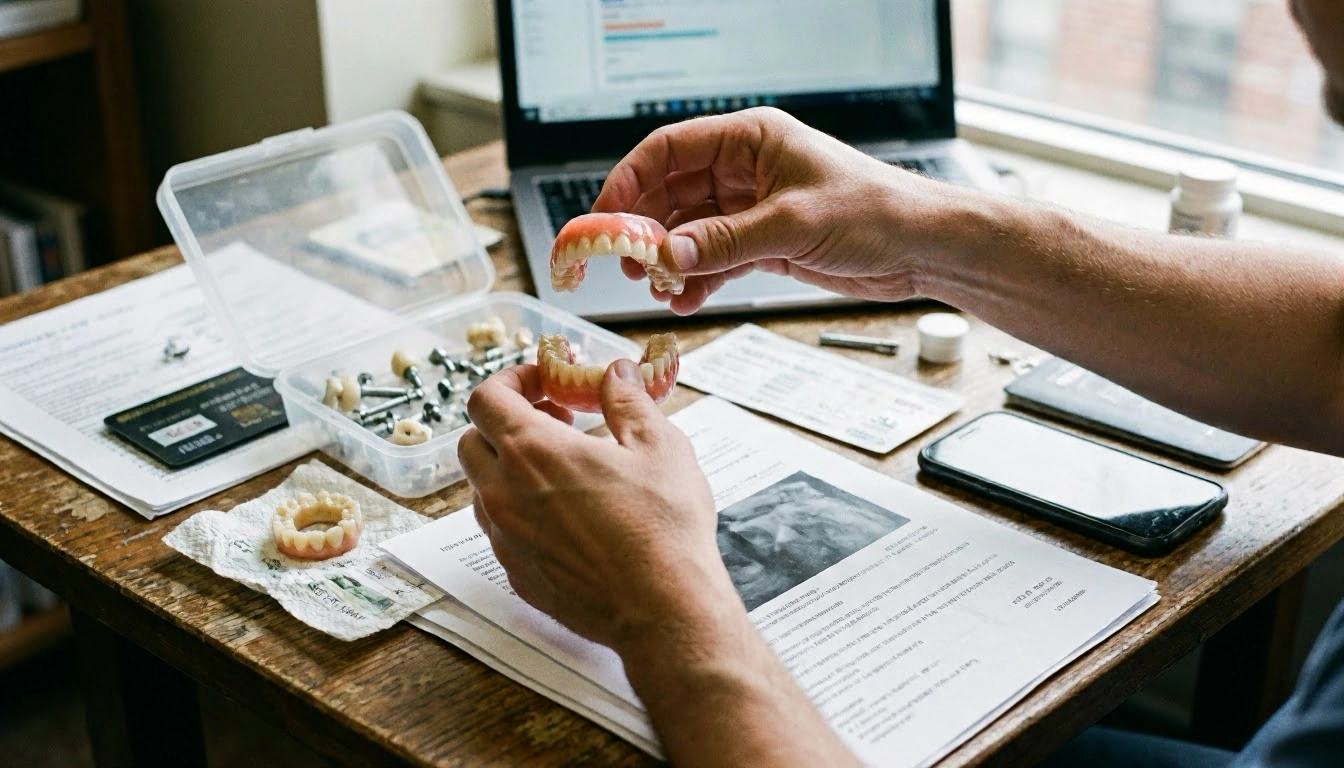
Eligibility criteria are broader than many patients expect. The provider should review bone density, medications, medical history, and whether the teeth can be removed and replaced without risking the surrounding tissues. If the plan depends on a result the anatomy cannot support, it is better to pause and consider another oral rehabilitation path.
For Chicago patients, this conversation should also include continuity of care. If weather, work travel, or a dental tourism plan makes follow-up difficult, the office should explain how healing checks and repairs will happen. A good system is one you can maintain, not just one you can start.
Can Everyone Qualify for All-on-4 Implants?
No, not everyone qualifies for All-on-4 implants. The plan works best when the jaw has enough support, the gums are healthy enough for surgery, and the medical profile allows predictable healing. If those conditions are not met, another treatment may be safer.
That does not mean treatment is off the table. It may mean pre-treatment care, smoking changes, gum therapy, or a different implant layout is needed first. A full-arch consultation should make that path clear rather than pushing a rushed decision.
All-on-4 is a treatment concept, not a single brand, so the implant system can vary by provider. Patients should ask which manufacturer is used, whether parts are available long term, and how the brand affects maintenance, warranty, and replacement options for the full-arch restoration.
That question matters because brand compatibility can affect the abutment, prosthetic components, and future repairs. Some systems are more familiar to a local lab, while others may be harder to service later. In Chicago, where patients may compare downtown and suburban offices or even look at dental tourism choices, it’s smart to ask who will support the case after surgery.
The best answer is not just a name; it is a clear explanation of why that manufacturer was chosen and how the office handles parts, service, and follow-up. A transparent provider should connect the implant fixture, the bridge design, and the maintenance plan in one discussion.
What Implant Brand Is Used for All-on-4?
There is no single implant manufacturer for All-on-4. Different offices may use different systems based on anatomy, prosthetic design, and lab workflow. What matters most is brand compatibility, access to parts, and whether the full-arch restoration can be serviced long term.
Ask which prosthetic components are used, how the abutment is selected, and what happens if a part needs replacement years later. Those details tell you more about quality than the brand name alone.
Patients can often leave with teeth the same day, but those teeth are usually a temporary fixed prosthesis, not the final permanent restoration. The final arch typically comes after healing and bite refinement, so patients should expect a staged process even when immediate function is possible.
Same-day teeth are usually part of immediate load care. That can be very helpful, but it still has limits. The provisional prosthesis protects the implants while the bone heals, and the final prosthesis is built after the provider sees how the case settles. In Other words, the first smile is real, but it is not the last step.
When patients understand that sequence, they are less likely to overload the bridge, miss follow-up, or assume a temporary design will never change. A careful office should explain eating rules, hygiene, and when the bite will be refined for the final restoration.
Usually, you can get same-day teeth, but not the final permanent prosthesis on day one. The immediate bridge is a provisional prosthesis that lets you function while healing starts. The final prosthesis comes later, after the team confirms fit, strength, and bite balance.
That staged process is normal and often safer. It gives the implants time for osseointegration and lets the provider refine the occlusion before delivering the final arch.
Call a professional if pain gets worse instead of better, swelling rises after the first few days, the provisional bridge feels loose, or you notice drainage or fever. Early review can protect the implant and the prosthetic design before a small issue becomes a bigger one.
After All-on-4 surgery, some soreness is expected, but certain changes need prompt attention. In Chicago, winter travel can make follow-up less convenient, so clear aftercare instructions and a fast contact path matter even more.
When Should You Call a Professional About All-on-4 Concerns?
Fast evaluation helps protect healing, reduce stress on the abutment, and prevent damage to the full-arch restoration. If you are unsure, it’s better to ask early than wait.
Frequently Asked Questions
Related Resources
How Much Do All-on-4 Dental Implants Cost in Chicago?
All-on-4 dental implants cost Chicago
Compared ToFull-Mouth Reconstruction vs All-on-4: Which Treatment Fits Your Needs?
full mouth reconstruction vs All-on-4 Chicago
Compared ToDental Implants Abroad vs Chicago: Comparing Total Cost, Care, and Convenience
dental implants abroad vs Chicago cost
How It WorksThe All-on-4 Dental Implant Process: Appointments, Recovery, and Final Teeth
All-on-4 dental implant process and timeline