Dental Implants Abroad vs Chicago: Cost, Care, and Convenience
Dental implants abroad can cost less at first than dental implants in Chicago, But the full cost often grows once you add travel, lodging, follow-up visits, revision risk, and communication gaps. Chicago treatment usually costs more upfront, but it gives you easier coordination, local follow-up care, and steadier continuity for All-on-4, full-arch, and full-mouth cases. The best choice depends on your case, your budget, and how well you can handle aftercare across borders.
Dental Implants Abroad vs Chicago: Which Costs Less Overall?
Dental implants abroad often look cheaper on the first quote, but Chicago may cost less in total. That happens when you add travel, hotel stays, imaging, prescriptions, time off work, and possible revision care. The real winner depends on what the overseas package includes, like prosthetics, temporary teeth, and post-op visits.
| Factor | Option A | Option B |
|---|---|---|
| Total cost | Abroad may have a lower upfront cost, but hidden costs can raise the total cost of ownership. | Chicago usually starts higher, yet the final bill can be steadier once follow-up care is local. |
| Timeline | Often compressed into a short medical tourism trip, with tight treatment plan timing. | Usually spread over more visits, with healing time built into routine checks. |
| Maintenance | Maintenance can be harder if you need remote coordination or another trip for repairs. | Maintenance is easier because a local dentist can manage the prosthesis, abutment, and adjustments. |
| Best for | Budget-focused patients with simple cases who can handle travel costs and limited access to the original clinic. | Patients who want continuity of care, easier post-op visits, and less revision risk. |
In most comparisons, the sticker price abroad is lower at first, but it is not always the lower total cost of ownership. The gap gets smaller once you add lab fees, surgical guide costs, temporary teeth, and the chance of extra follow-up care after you return home. For Chicago patients, local pricing pressure in a high-cost urban market can make nearby care feel expensive at first. Still, it also avoids many travel-related add-ons. Chicago winter weather and travel disruptions can complicate post-op timing after surgery abroad, which can make remote follow-up less convenient than it sounds. The biggest difference is not just the fee sheet. It is whether the plan includes enough time, checks, and access for healing. That matters even more for full-arch dental implants and full-mouth reconstruction, where coordinated imaging, lab work, and specialist follow-up are part of the process. If the overseas package truly includes the surgery fee, abutments, prosthesis, temporary teeth, and post-op visits, the numbers may be closer than expected. If not, the savings can shrink fast.
What the Upfront Price Usually Includes—and What It Leaves Out?
Quick Comparison of Cost, Timeline, Maintenance, and Best For
| Factor | Option A | Option B |
|---|---|---|
| Cost comparison | Lower upfront price is common, especially in dental tourism packages. | Higher sticker price, but fewer surprise costs for local follow-up. |
| Timeline | Short trip-based timeline, with limited in-person review after return. | More spaced visits, with healing time monitored over a longer treatment plan. |
| Maintenance | Harder if repairs need remote coordination or another flight. | Easier because checks, screw access work, and repairs can happen locally. |
| Best for | Simple cases, flexible travelers, and patients who accept coordination risk. | Patients who value continuity of care and predictable access. |
For single and multiple dental implants, either path can make sense if the plan is straightforward and the clinic is clear about what is included. For more complex oral surgery and restorative dentistry, the local option often wins on practical value. You can return for adjustments without another long trip.
What Are the Hidden Costs of Getting All-on-4 Implants Abroad?
All-on-4 implants abroad can create hidden costs from airfare, lodging, companion travel, extra scans, temporary prosthetics, emergency adjustments, and unexpected revisions. If the final arch needs a remake or bite correction, the low package price can rise quickly because those follow-up visits may require another trip.
Chicago’s dense metro access supports easier in-person checks, adjustments, and emergency visits than overseas treatment once you return home. That matters because large regional referral patterns in the city often involve coordinated imaging, lab work, and specialist follow-up for full-arch cases. If a bite needs refinement or a screw channel opens up, being close to the provider saves time and cuts friction. The hidden cost is not always money alone. It is also the hassle of managing a complex restoration across borders. For patients who need bone grafting, a surgical guide, or repeated post-op visits, those extras can outweigh the headline savings fast. The safest way to judge value is to compare the full treatment plan, not just the first quote.
Is It Better to Get Dental Implants Locally or Abroad?
Dental implants locally are usually better when you want predictable follow-up, easier emergency access, and one clinical team managing healing from start to finish. Abroad can make sense for budget-focused patients who have simple cases, flexible schedules, and a plan for aftercare at home.
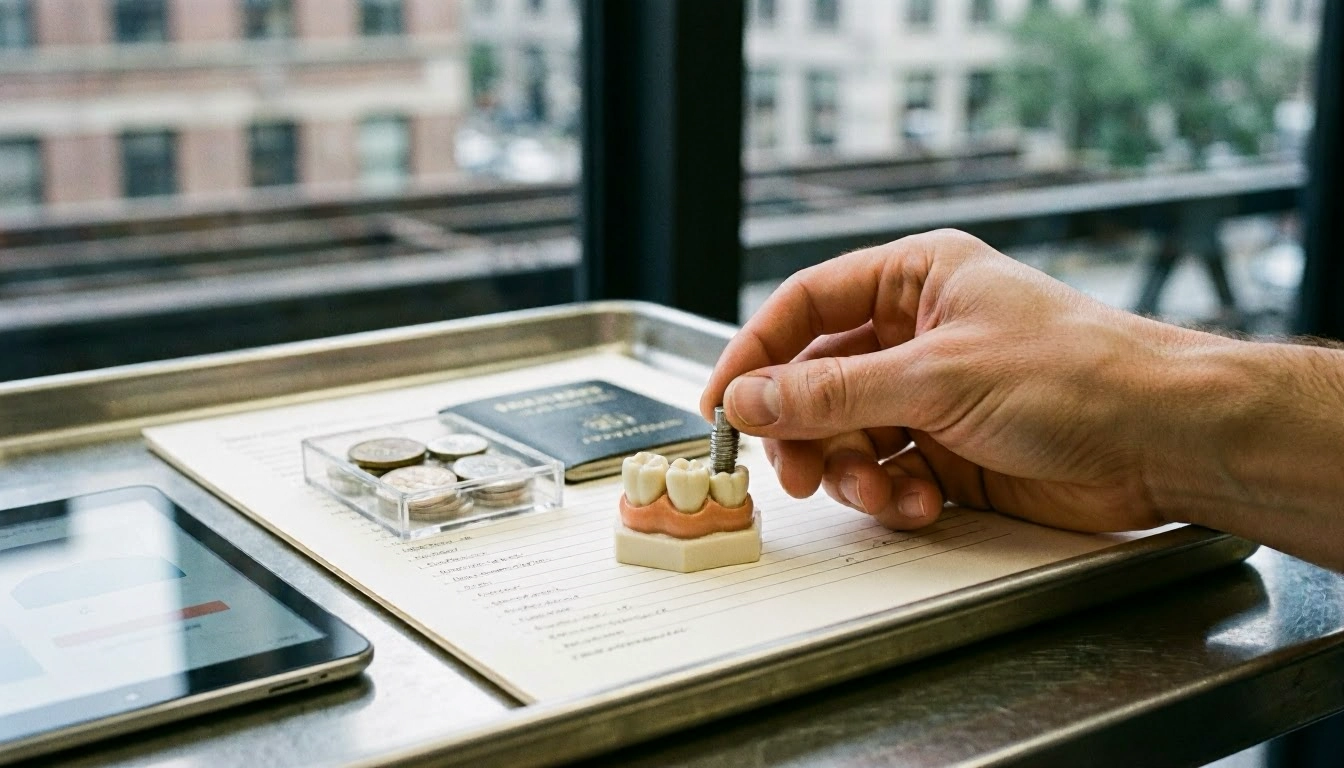
For many Chicago patients, the choice comes down to risk and case complexity. Local dental care gives you continuity of care, which helps when healing does not follow a perfect timeline. If swelling, soreness, or a prosthesis issue appears, you can call the same office and come back in person. That is harder with medical tourism, where the original team may be far away and time zones can slow remote coordination. The tradeoff is real. Overseas implants can be cheaper upfront, but the savings matter most when the case is simple and you can manage the first weeks with limited access to the surgeon. If the plan includes multiple implants, full-arch dental implants, or full-mouth reconstruction, local care tends to be the safer fit because the plan may change as healing moves along. In a city like Chicago, IL, where weather, traffic, and scheduling already shape care, nearby access still gives patients an important advantage.
Pros and Cons of Getting Implants in Chicago
Pros and Cons of Getting Implants Abroad
How Do I Manage Follow-Up Care After Dental Implants Abroad?
Follow-up care after dental implants abroad works best when you secure records before travel, confirm who handles complications, establish a local dentist for checks, and plan for remote communication with the original clinic. This matters most for All-on-4 and full-arch cases because bite changes, soreness, and screw access issues can appear after you return home.
Chicago winter weather can make post-op timing and travel less predictable, so it is smart to plan a buffer before your return visit. If the case is complex, ask whether the implant, abutment, and prosthesis can be serviced by a local provider if needed. A nearby dentist can often inspect healing, check temporary teeth, and flag problems early even when the original surgery happened overseas. This approach does not remove all risk, but it gives you a practical backup while protecting the total cost of ownership. For many patients, that local safety net is the difference between a manageable recovery and a stressful scramble.
Which Option Fits Single Implants, All-on-4, and Full-Mouth Reconstruction?
Single implants are the easiest cases to compare across borders, while All-on-4, full-arch dental implants, and full-mouth reconstruction depend more on follow-up, lab coordination, and long-term maintenance. The more complex the case, the more Chicago’s local access can outweigh a cheaper overseas quote.
For a single tooth implant, the choice often comes down to the upfront cost, the surgeon’s experience, and how much travel you want for post-op visits. For multiple dental implants, the details matter more because timing, imaging, and the prosthesis all need to line up. Full-mouth reconstruction is the most demanding of all, because it blends oral surgery with restorative dentistry and may need several rounds of adjustments before the bite feels right. In that setting, continuity of care becomes a major value driver. A Chicago clinic can usually coordinate with local labs and specialists more easily, while also keeping the treatment plan flexible if healing changes. Overseas treatment can still work for some patients, but the margin for error gets smaller as the case becomes more complex.
Frequently Asked Questions
Related Resources
How Much Do All-on-4 Dental Implants Cost in Chicago?
All-on-4 dental implants cost Chicago
What It CostsDental Implant Costs in Chicago: What a Complete Treatment Quote Includes
single dental implant cost Chicago
How It WorksThe All-on-4 Dental Implant Process: Appointments, Recovery, and Final Teeth
All-on-4 dental implant process and timeline
What to AvoidDental Tourism Mistakes to Avoid Before Booking Treatment
dental tourism mistakes to avoid