All-on-4 Dental Implant Process and Timeline in Chicago, IL
All-on-4 dental implants usually start with same-day surgery for implant placement and temporary teeth. Then healing takes several months before the final zirconia teeth go in. In Chicago, IL, the full process often includes a consultation, digital planning, surgery, short recovery, follow-up visits, and final restoration. Timing can change based on bone quality, extractions, and whether grafting is needed.
All-on-4 dental implants replace a full arch of missing teeth with a staged plan. It starts with digital treatment planning and ends with a fixed, natural-looking smile. The process usually uses four implant posts to support a full-arch restoration, and a temporary prosthesis is often placed the same day so you leave surgery with teeth. In Other words, it’s a guided path from diagnosis to final function, not a single visit.
The early phase focuses on stability, comfort, and precision. Your team studies bone quality, checks bite position, and plans the angle of each implant so the restoration fits securely. In implant dentistry, that planning step matters because it helps the surgeon decide whether immediate-load implants are right or whether more healing time makes sense. The goal is a strong result with fewer surprises.
For many patients, the biggest benefit is that the process stays organized. All-on-4 dental implants are designed to simplify full-mouth implant restoration, reduce the number of surgeries, and make the timeline easier to follow. In a city like Chicago, where people juggle work, family, and travel, a clear plan for surgery, follow-up visits, and the final prosthetic bridge makes care easier to manage.
The treatment usually includes sedation dentistry, tooth removal if needed, implant placement, and a temporary set of teeth while the bone heals. That healing period connects surgery to permanent function. If bone grafting or extractions are part of the case, the timeline can stretch, but the process stays the same: plan, place, protect, heal, and then deliver the final teeth.
Appointment-by-Appointment Timeline in Chicago
The All-on-4 process is appointment-based. Consultation and 3D imaging come first, then surgery and temporary teeth, followed by post-op checks, tissue healing, and final prosthetic delivery. Most Chicago patients finish the early appointments quickly, while the full treatment timeline depends on healing, bone support, and restoration design.
1. Consultation, Records, and 3D Planning
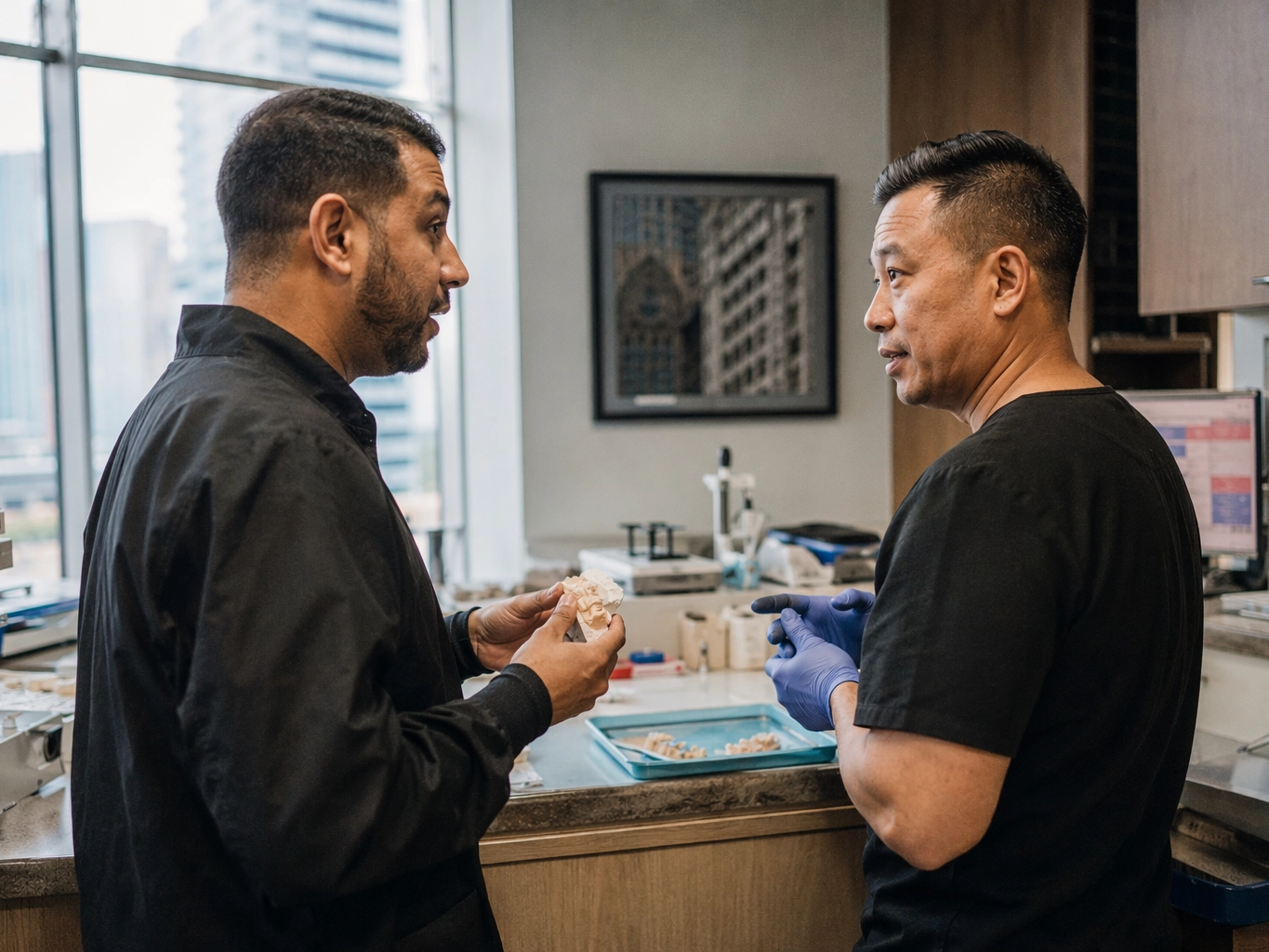
The consultation starts with your medical history, exam findings, and a talk about your goals for a full-mouth implant restoration. A CBCT scan is usually part of the workup because it shows bone width, sinus position, and Other details regular X-rays miss. Digital smile design helps the team plan tooth shape and lip support before treatment begins.
In Chicago, this planning step is especially useful because many patients travel from surrounding suburbs and want fewer, better-coordinated visits. Efficient digital planning cuts guesswork, helps organize the surgical appointment, and supports smoother prosthetic delivery later.
2. Surgery Day and Implant Placement
On surgery day, the surgeon removes failing teeth if needed, performs surgical extraction, and places the implant posts at strategic angles for support. This is the main operative visit, and it often uses sedation dentistry so you stay relaxed and comfortable throughout the procedure.
The surgical team aims for strong initial stability because that’s what allows immediate-load implants and same-day provisional teeth in many cases. If the jawbone is thin or soft, the plan may change to protect healing. In that case, the provider may slow the timeline or add bone grafting so the final outcome is more predictable.
3. Temporary Teeth and Early Follow-Up
After surgery, many patients receive temporary teeth before they go home. These teeth restore appearance and basic chewing while the implants begin healing. A first post-op visit usually checks swelling, comfort, and the surgical sites, and it may include a careful occlusion check so the bite doesn’t overload the implants.
Early follow-up matters because the temporary bridge must stay stable while tissues settle. You may need small prosthetic adjustments if the bite feels uneven or if speech changes. During Chicago winter weather, travel can be harder, so clear recovery instructions and good appointment planning help patients stay on track without extra strain.
How Long the Complete All-on-4 Timeline Usually Takes?
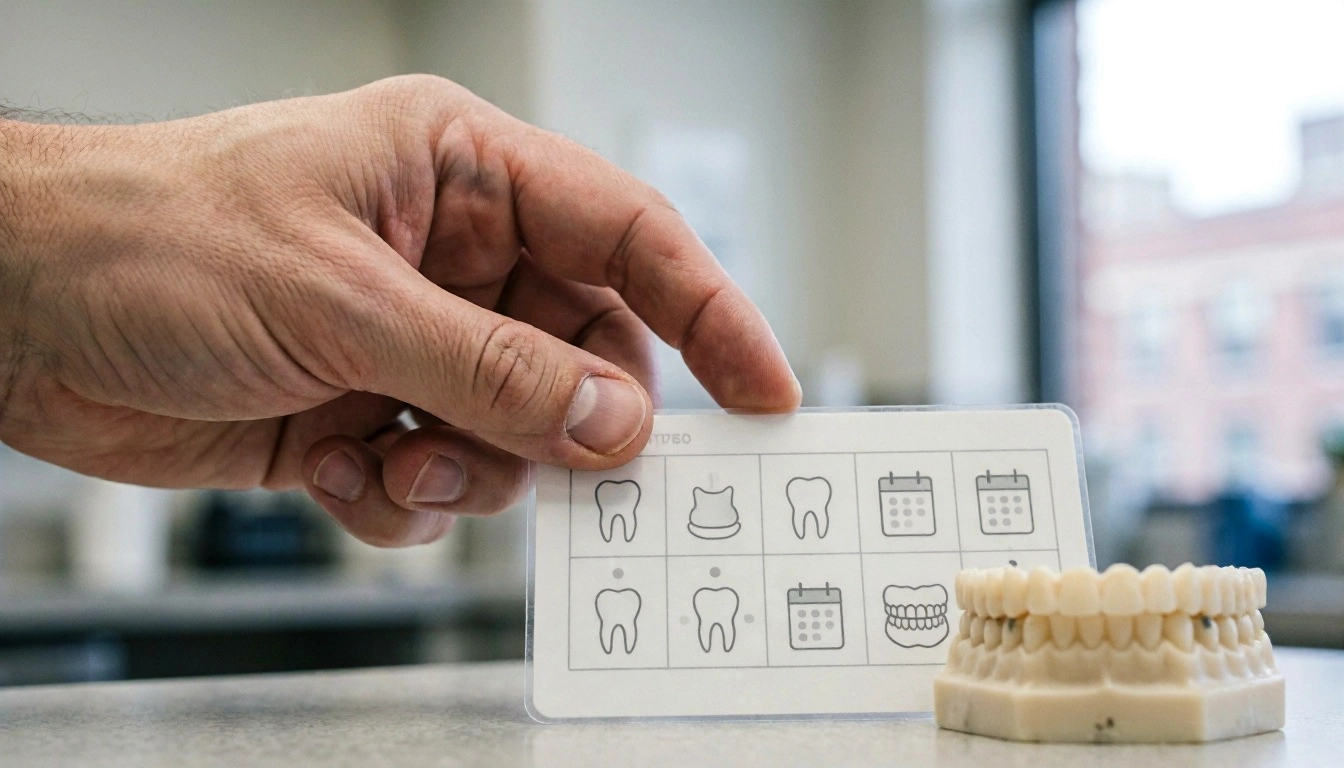
The complete All-on-4 timeline usually spans several months from consultation to final teeth because implants must integrate with bone before the permanent bridge is delivered. Simple cases move faster, while cases with extractions, bone loss, or added grafting take longer before the final restoration is ready.
| Case size | Typical duration | What usually affects the pace |
|---|---|---|
| Small case | Often the fastest path, with surgery and temporary teeth followed by a shorter healing phase before final restoration | Good bone quality, fewer extractions, and simple prosthetic design |
| Average case | Commonly several months from first visit to zirconia restoration | Normal osseointegration, a standard soft-diet period, and routine follow-up visits |
| Large case | Usually the longest timeline before the final teeth are delivered | More extractions, weaker bone, added grafting, or more complex prosthetic adjustment |
In practical terms, the timeline is shaped by implant stability and how quickly the bone accepts the fixtures. The healing phase isn’t passive waiting; it’s the part of treatment that makes the final bridge durable. Because patients in the Chicago area often plan around work, commuting, or suburban travel, many practices front-load planning to keep later visits efficient.
What Recovery Feels Like After All-on-4 Surgery?
All-on-4 recovery usually includes swelling, soreness, and a soft-food diet for the first days, then gradual improvement over the next weeks. Patients typically protect the implants while the bone heals around them, keep follow-up appointments, and follow hygiene instructions so the temporary teeth and surgical sites can stabilize.
Most people feel better within the first week, but complete tissue settling takes longer. The key is to protect the implants during the early phase so osseointegration can happen without stress. If you notice unusual pain, looseness, or bite changes, the practice should recheck the temporary teeth before the problem affects the healing path.
When You Get Permanent Teeth After All-on-4?
Permanent teeth are usually placed after osseointegration is complete, which means the implants have fused with the bone and can support the final restoration. In many cases, the temporary teeth stay in place for months before the final zirconia bridge or crown-and-bridge solution is delivered and adjusted.
The final step replaces the temporary prosthesis with a stronger, more refined fixed bridge or a zirconia bridge. This final prosthesis is designed for long-term wear, better bite function, and a more polished look. It is also adjusted carefully so the contours, speech, and chewing feel right.
Timing depends on bone quality, the number of extractions, and whether grafting was needed. A patient with strong implant stability and a straightforward plan may reach the final restoration sooner than someone with a slower healing phase. In dense city practice settings, digital records and efficient lab communication help keep the delivery process coordinated.
For many patients, the temporary teeth are useful enough to carry them through everyday life while the bone heals. Once the final teeth arrive, the team checks the bite and makes any last prosthetic adjustment so the restoration fits comfortably and works well. That is the moment the staged process becomes a permanent result.
Frequently Asked Questions
Related Resources
How Much Do All-on-4 Dental Implants Cost in Chicago?
All-on-4 dental implants cost Chicago
What It CostsDental Implant Costs in Chicago: What a Complete Treatment Quote Includes
single dental implant cost Chicago
Compared ToFull-Mouth Reconstruction vs All-on-4: Which Treatment Fits Your Needs?
full mouth reconstruction vs All-on-4 Chicago
Compared ToDental Implants Abroad vs Chicago: Comparing Total Cost, Care, and Convenience
dental implants abroad vs Chicago cost