Dental Implant Costs in Chicago: What a Complete Quote Includes
A single dental implant cost in Chicago usually includes the implant fixture, abutment, crown, imaging, surgical placement, and follow-up care. The final total depends on bone quality, tooth extraction, grafting, and the type of restoration. Multiple dental implants usually cost more overall, but the price per tooth can drop when treatment is bundled. A complete quote should list each part clearly, so you can compare insurance, financing, and treatment choices with less guesswork.
A single dental implant quote in Chicago usually covers the full restorative dentistry plan, not just the post itself. Most patients see one total for the implant fixture, abutment, crown, diagnostics, and surgical placement, But the final number changes with jawbone density, prosthetic material, and any extra steps.
For many people, the biggest difference is whether the treatment plan is simple or staged. A straightforward single-tooth implant can be easier to estimate. A case with infection, limited bone, or a delayed extraction often needs more oral surgery and longer healing. Chicago pricing also reflects local specialist overhead, lab coordination, and the higher cost of running a modern implant practice in a dense market.
That’s why a headline fee isn’t enough. A real treatment quote should show the implant post, abutment, prosthetic crown, imaging, and follow-up care. Then you can compare value, insurance coverage, and financing options without guessing. In Chicago, patients often review more than one office because clear, itemized pricing builds trust.
How Much Does a Single Dental Implant Cost in Chicago?
A single dental implant in Chicago usually includes the implant fixture, abutment, crown, diagnostics, and surgical placement, So the quoted price should be treated as a full treatment total, not one line item. The final cost changes with bone condition, extraction needs, and the restorative materials used.
In practical terms, Chicago pricing for a single-tooth implant depends on the type of oral surgery, the complexity of the treatment plan, and whether the office includes the prosthetic restoration and post-op visits. A simple case with healthy bone and no extraction is usually easier to estimate. A more complex case may need ridge preservation, grafting, or staged healing, which raises the full fee.
Local factors matter too. Chicago-area specialist pricing is shaped by higher urban overhead and lab coordination, and that can raise complete-treatment quotes. That doesn’t mean the treatment is overpriced. It means you should compare itemized plans, not just the first number you see. Lake Michigan climate and winter scheduling can also affect follow-up timing and case planning, especially when surgery is staged or healing visits need to work around weather and travel.
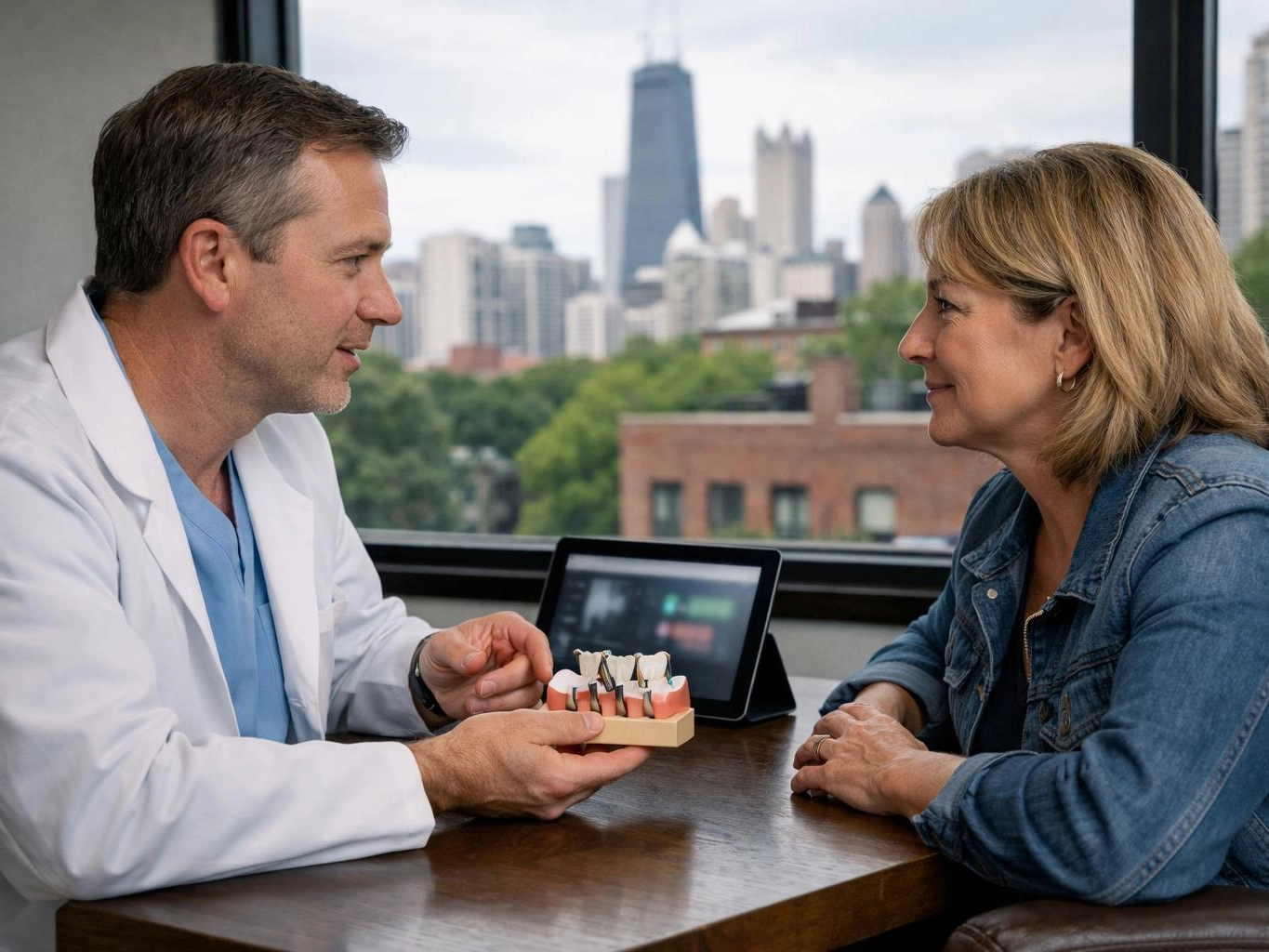
When you ask for a quote, ask for the treatment quote in writing and confirm whether it includes the crown, imaging, anesthesia, and any preparatory work. The best comparison is the same scope of care from each office. That makes it easier to judge value, confirm insurance coverage, and avoid surprises after the implant fixture is placed.
What Does a Dental Implant Cost Include?
A dental implant cost should include every clinical step needed to restore the tooth: consultation, imaging, implant placement, abutment connection, crown fabrication, and routine post-op visits. If a quote leaves out diagnostics, surgery, or the final crown, it isn’t a true complete-treatment price.
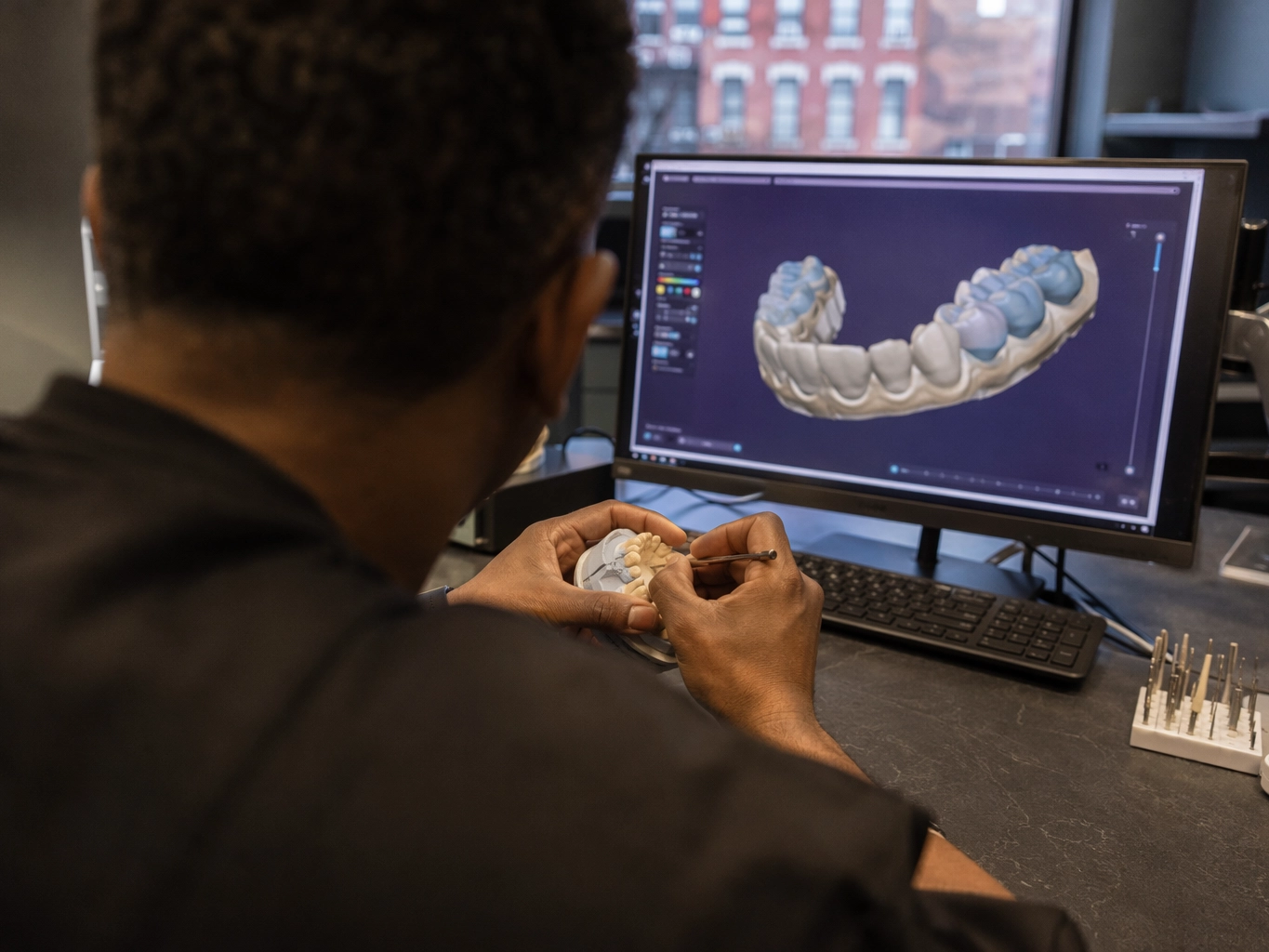
The CBCT scan is especially important because it helps the clinician check jawbone density before surgical placement. That imaging can help avoid problems and makes the prosthetic restoration more predictable. In a full quote, the scan should be listed clearly, along with any lab fees for the crown.
Patients should also confirm whether the crown is a standard ceramic option or a zirconia crown. The restorative material choice can affect both the look and the price. A clear fee schedule should separate the implant fixture, abutment, and crown so you can see where your money goes.
How Much Do the Implant, Abutment, and Crown Cost Separately?
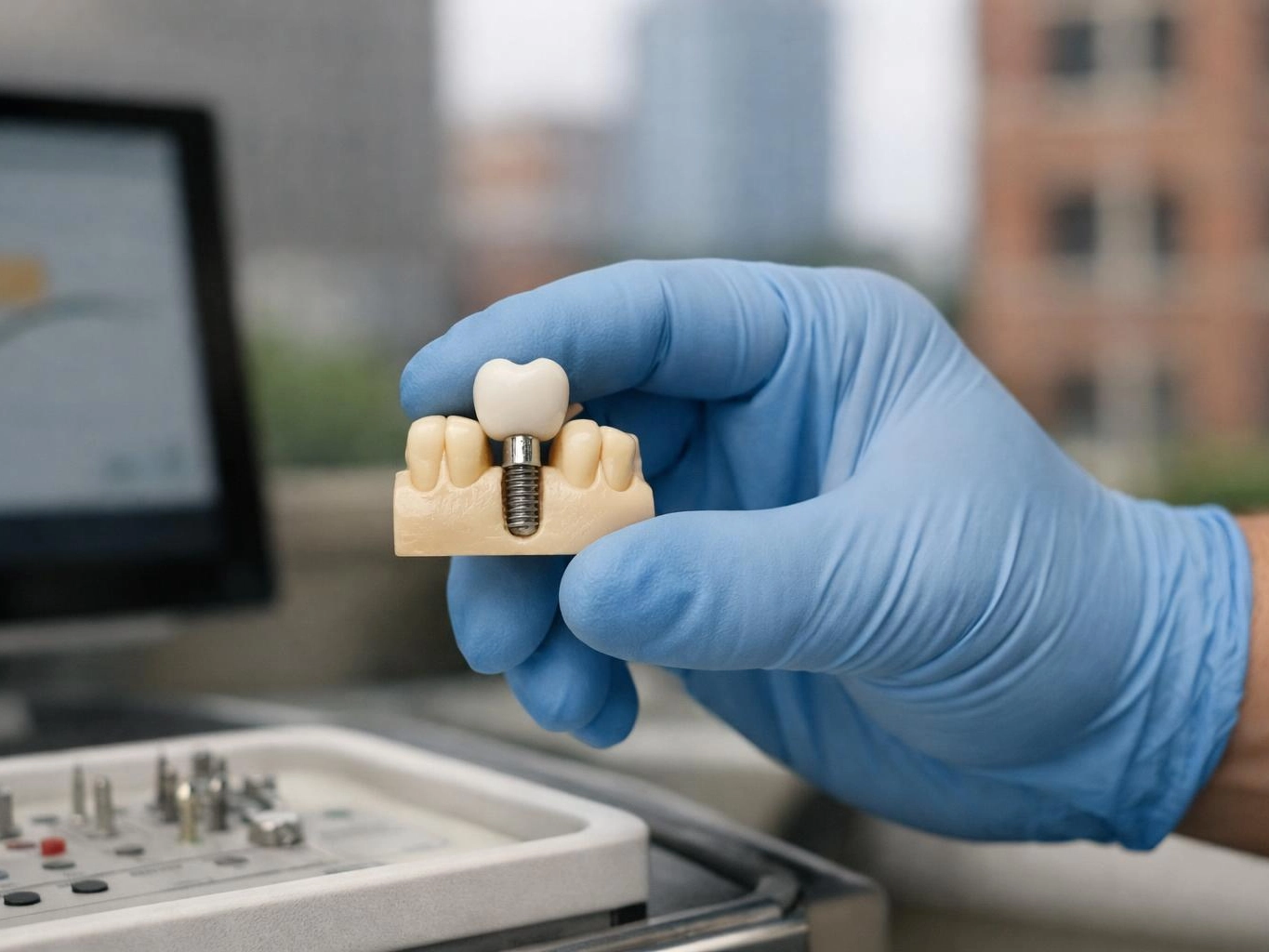
The implant fixture, abutment, and crown are priced as separate parts in many treatment plans, and each one changes the final restoration total. A clear Chicago quote should break out each part, so patients can compare prosthetic material, surgical complexity, and lab costs without hidden fees.
| Component | What it does | Typical share of total cost | Notes |
|---|---|---|---|
| Implant fixture | Acts as the implant post placed into the jawbone | Often the largest surgical component | Can vary with brand, site complexity, and bone quality |
| Abutment | Connects the post to the prosthetic crown | Usually a smaller but important sub-entity of the restoration | May be stock or custom for better fit |
| Crown | Visible tooth replacement | Can be a major lab-based cost | A zirconia crown often costs more than basic materials |
In many plans, the implant fixture is charged separately from the abutment and the crown because each part serves a different job. The implant post handles integration with the bone, the abutment is the connector, and the crown is the visible prosthetic restoration. That component pricing makes it easier to compare treatment plans across offices.
For example, one office may quote a low headline fee for the surgical portion but add more for the crown or custom abutment. Another may bundle the three items into one package. Neither is automatically better. The key is to compare the same scope, including lab work and follow-up, so the full dental implant fee is clear.
How Much Do Multiple Dental Implants Cost?
Multiple dental implants usually cost more than a single implant, but the per-tooth price may drop when diagnostics, surgical planning, and lab work are shared across several teeth. The total depends on how many implants are placed, whether bridges are used, and whether grafting or extractions are needed.
When treatment moves from one tooth to several, the plan often shifts from a simple single-tooth implant to a broader full-mouth planning approach. That doesn’t always mean every tooth gets its own post. In some cases, an implant-supported bridge can replace several missing teeth with fewer fixtures, which can change the overall fee and lower the average cost per tooth.
For large cases, the quote may include more oral surgery, more imaging, and longer chair time. The dentist or specialist may also stage the work so healing is predictable, especially if winter weather or travel makes follow-up scheduling harder. In those situations, the smart comparison is not just the total price. It’s the long-term value, the restoration design, and the expected maintenance.
Chicago patients often compare several providers because competition is dense and pricing can vary widely from one practice to another. A detailed proposal should show whether you’re paying for individual crowns, an implant-supported bridge, or a more advanced prosthetic restoration. That makes it easier to understand the per-tooth cost and decide whether bundling makes sense.
Are Bone Grafting and Tooth Extraction Included in Implant Pricing?
Bone grafting and tooth extraction are often not included in the base implant price unless the treatment plan says so clearly. These procedures can add to the total because they prepare the jaw for stable implant placement, and their need depends on bone volume, infection, and tooth condition.
Tooth extraction is often a separate pre-implant procedure when the damaged tooth is still present. If the area needs healing before the implant fixture goes in, the quote may also include ridge preservation to help keep bone shape. That kind of planning can improve the fit of the eventual crown and support long-term success.
Bone grafting is more common when jawbone density is low or when the site has been empty for a while. It may be simple socket preservation or a larger graft meant to rebuild volume for oral surgery. Because every case is different, the fee should say whether grafting is needed before, during, or after implant placement.
If your quote doesn’t mention these steps, ask directly whether the office expects a staged approach. A complete treatment plan should separate the cost of the extraction, grafting, and implant itself, so there are no surprises. That level of detail is especially important when comparing specialist offices across Chicago.
How Much Do Dental Implants Cost with Insurance or Financing?
Dental implants may be partly covered by insurance when parts of the treatment are considered medically necessary, but many plans still leave patients with large out-of-pocket costs. Financing can make treatment easier by spreading payments over time, especially when imaging, surgery, and restoration are bundled.
In Chicago, patients often pair insurance coverage with financing because specialist pricing and lab coordination can make the complete treatment total higher than expected. The best approach is to request an itemized estimate, confirm what the plan pays, and compare the remaining balance before surgery starts. That helps you manage the dental implant fee with fewer surprises.
Typical Chicago Implant Pricing Tiers
Chicago implant pricing usually falls into three tiers: Basic for simpler cases with fewer add-ons, Standard for a complete single-tooth replacement, and Premium for advanced materials, added surgery, or complex reconstruction. A tiered quote helps patients compare scope, not just headline price.
| Tier | Typical price range | What is usually included | Best fit |
|---|---|---|---|
| Basic tier | Typical lower range for simple cases | Consultation, standard imaging, implant fixture, basic abutment, and a standard crown | Healthy bone, no major add-ons, straightforward single-tooth implant |
| Standard tier | Typical mid-range for complete single-tooth care | CBCT scan, surgical placement, abutment, crown, and routine follow-up | Most common restorative dentistry cases in the Chicago market |
| Premium tier | Typical higher range for complex cases | Advanced imaging, custom prosthetic restoration, bone grafting, extraction, and staged surgery | Low bone volume, multiple procedures, or more aesthetic material needs such as zirconia |
The important point is that a lower headline fee doesn’t always mean a lower final bill. A Basic tier may leave out grafting or the crown, while a Premium tier may reflect added oral surgery, custom lab coordination, or a zirconia crown. Ask for the same scope in every quote, so you can compare apples to apples.
5 Ways to Lower Your Implant Cost Without Cutting Quality
You can lower implant costs by comparing complete quotes, asking what’s included, checking insurance benefits, bundling multiple procedures when it makes sense, and using financing instead of delaying care. The goal is to cut avoidable expenses while keeping implant quality, restoration fit, and long-term success intact.
These steps help you protect quality while avoiding hidden fees. In a market like Chicago, where provider competition is dense, a good quote should be clear enough to compare without guesswork.
Frequently Asked Questions
Related Resources
Full-Mouth Reconstruction vs All-on-4: Which Treatment Fits Your Needs?
full mouth reconstruction vs All-on-4 Chicago
Compared ToDental Implants Abroad vs Chicago: Comparing Total Cost, Care, and Convenience
dental implants abroad vs Chicago cost
How It WorksThe All-on-4 Dental Implant Process: Appointments, Recovery, and Final Teeth
All-on-4 dental implant process and timeline
What to AvoidDental Tourism Mistakes to Avoid Before Booking Treatment
dental tourism mistakes to avoid