Dental Implant Surgery Preparation Checklist for Chicago Patients
Before dental implant surgery, fix active gum disease and cavities. Review your health history and medications, get any needed CBCT scan, stop smoking if your surgeon advises it, and follow sedation fasting instructions exactly. You should also confirm your home care supplies, transportation, and recovery plan before the procedure. In Chicago, weather, travel time, and referral coordination can make preparation even more important, so finish every clearance step early. That helps keep surgery safe and predictable.
Dental implant surgery preparation starts with treating active mouth problems, reviewing your medications and health history, and completing any needed imaging or clearances. You should also arrange transportation and recovery supplies. The safest path is to finish treatable issues before surgery so the implant site stays stable, your anesthesia plan is clear, and healing can start without avoidable setbacks.
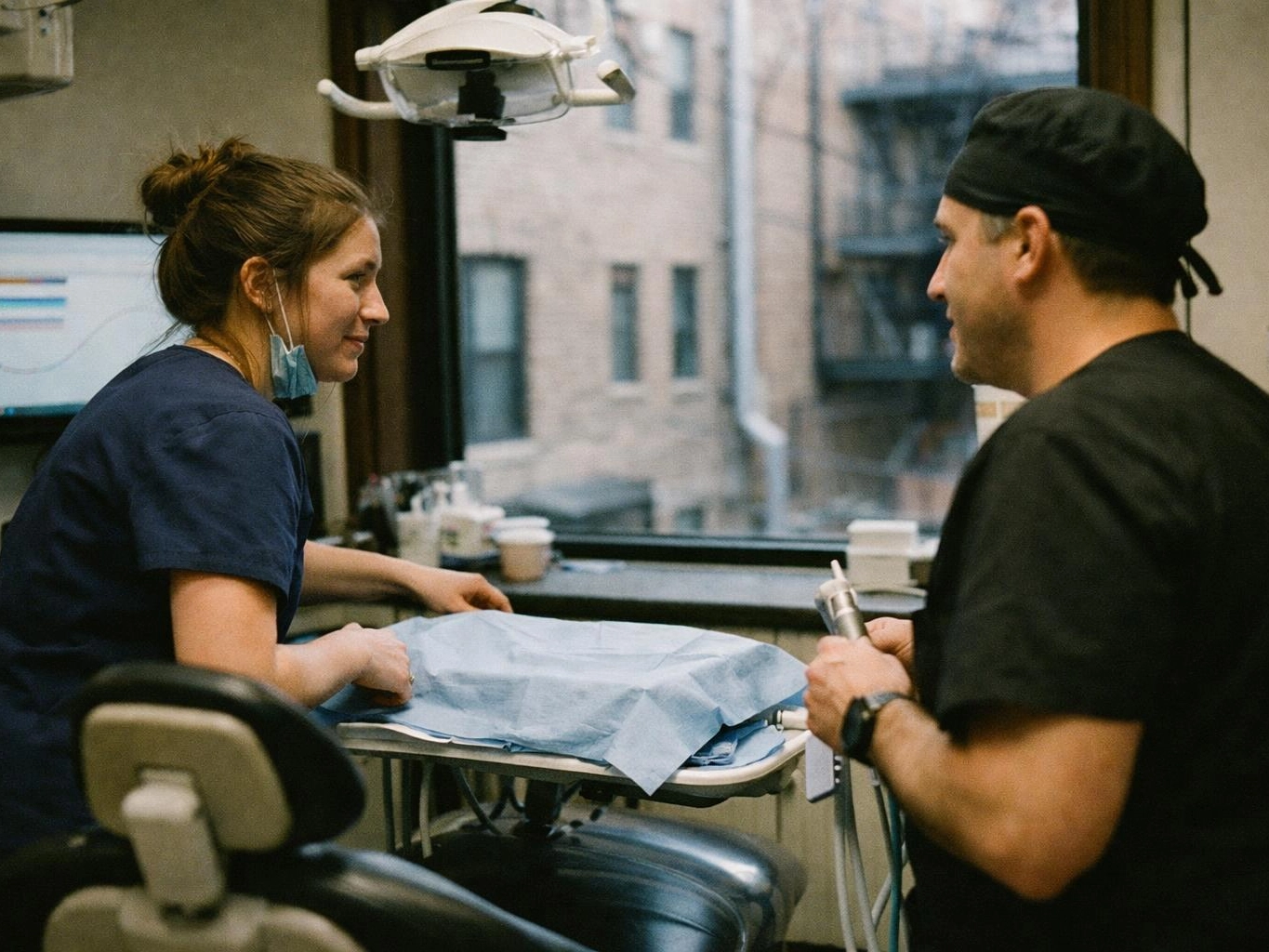
Use this pre-surgical checklist as part of your dental treatment planning visit. Confirm your oral hygiene steps, bring every medicine bottle or an updated list, and ask whether bone grafting, gum therapy, or a temporary restoration should happen first. For a Chicago dental implant consultation, early referral coordination matters because many patients move between a general dentist, a periodontist, and an oral surgeon before the final surgery date.
In a busy metro area, same-day logistics can be harder than patients expect. If your care is split across offices, check that records, imaging review, and referral notes have already been shared. That keeps implant candidacy decisions clear and helps the surgical team protect osseointegration from the start.
Before Surgery: The Checklist to Complete in Advance
Before surgery, complete your implant pre-op checklist in order: daily tooth brushing, antibacterial rinse if prescribed, clear pre-op instructions, ride home planning, and soft foods for recovery. These steps cut down confusion on surgery day and keep treatment planning on track.
In Chicago, it helps to schedule these tasks early because winter weather, garage parking, and traffic around the Loop or expressways can make last-minute errands stressful. A simple preoperative checklist lowers the chance that a small delay becomes a missed surgery slot.
During the Planning Visit: What Your Dentist Should Confirm
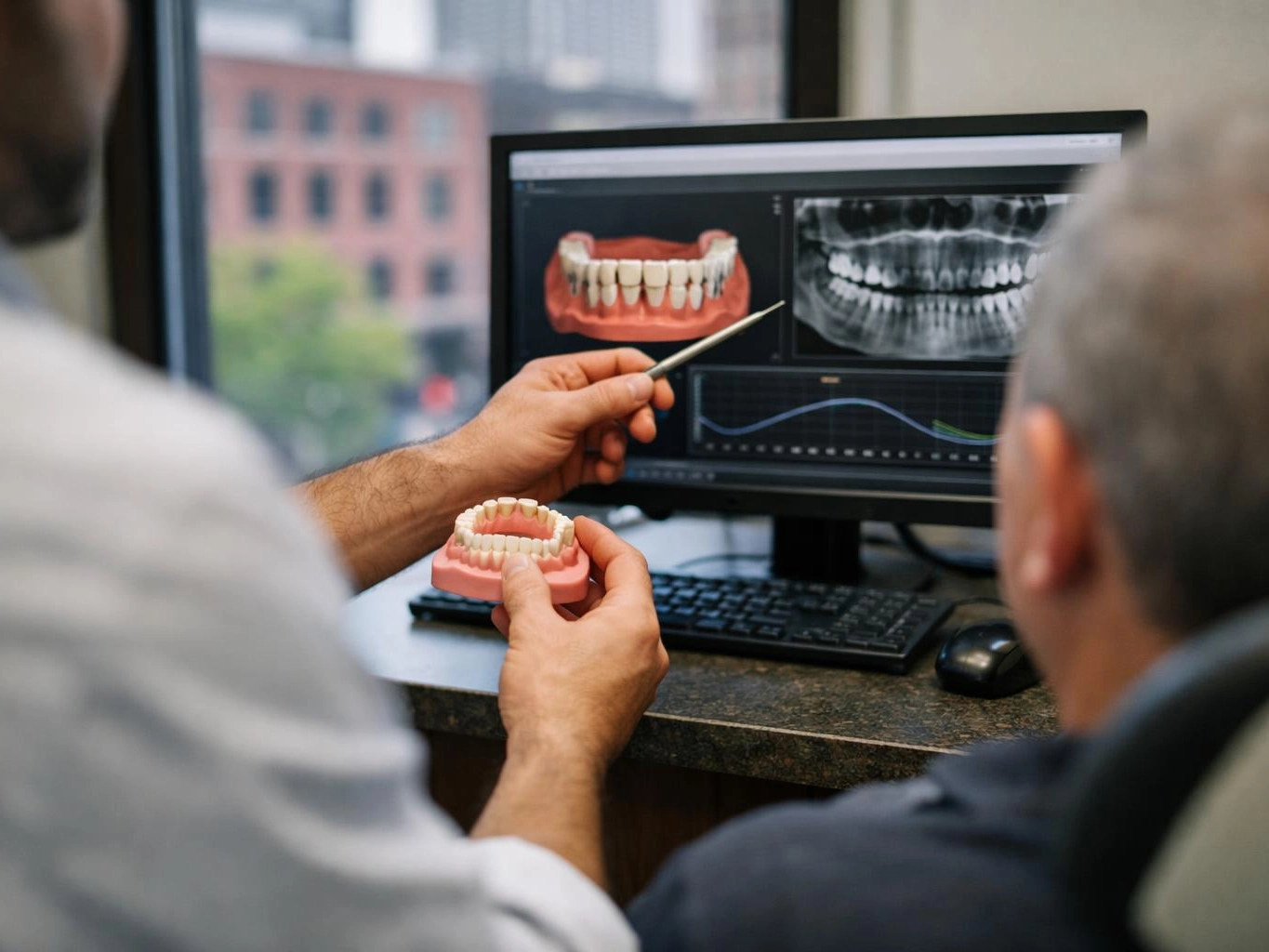
Your dentist should confirm implant candidacy, the surgical plan, the sedation plan, and whether medical clearance is needed before moving forward. This planning visit is where the office decides if the site is ready, if imaging is complete, and if the case needs a different sequence.
For full-arch reconstruction, the planning visit matters even more because lab work, temporary restoration design, and sedation coordination all need to line up. In a large city like Chicago, that coordination can span separate offices, so the best outcomes usually come from early scheduling and clear handoffs.
Do Gum Disease and Cavities Need to Be Treated Before Implants?
Yes, gum disease and cavities should be treated before dental implants because active infection raises inflammation, threatens nearby bone, and increases the risk of implant failure. A stable implant starts with a healthy mouth, so dentists usually restore decayed teeth, control periodontal disease, and confirm the tissues are clean and quiet before surgery.
Periodontal disease is one of the biggest blockers to implant success because it can keep spreading bacteria around the future implant site. Dental caries matter too because untreated decay can seed infection and make treatment planning less predictable. The goal is infection control before surgery, not after. If a tooth next to the implant is weak, fixing it first can protect bone support and lower the chance of peri-implantitis later.
Most surgeons want the mouth stabilized before moving ahead, especially when the case includes bone grafting or a wider restorative plan. In Chicago, referral coordination can slow things down if a general dentist, periodontist, and oral surgeon each handle a different part of the plan, so getting periodontal therapy clearance early can prevent a last-minute delay. A calm gum line, clean pockets, and no active decay make osseointegration more predictable and lower implant failure risk.
What Medical Conditions and Medications Affect Dental Implant Surgery?
Medical conditions and medications can change implant timing, sedation choices, bleeding risk, and healing potential. Diabetes, heart disease, immune disorders, osteoporosis drugs, and blood thinners are common examples that may need coordination with your physician. The safest plan is to disclose every diagnosis, supplement, and prescription before the surgery date.
| Condition or medicine | Why it matters | Typical planning step |
|---|---|---|
| Diabetes | Can slow wound healing if blood sugar is not well controlled | Medical clearance and timing review |
| Blood thinners | May raise bleeding risk during surgery | Coordinate with the prescribing clinician before any change |
| Bisphosphonates | Can affect jaw healing in some patients | Medication review and risk discussion |
| Autoimmune disease | May affect inflammation and healing response | Medical clearance and treatment planning |
| Hypertension | Can affect blood pressure control during sedation dentistry | Check current control and medications |
Other details can matter too. Anticoagulants, immunosuppressants, and insulin may change the day-of plan, while a smoking history or sleep apnea can affect airway and recovery choices. If you have any of these issues, share them early so the team can decide whether the case needs a different sequence, more monitoring, or a physician sign-off before implant placement.
Conditions and Medicines That May Change Your Surgery Plan
Conditions and medicines that may change your surgery plan include anticoagulants, immunosuppressants, insulin, a smoking history, and sleep apnea. These factors can affect bleeding, infection risk, fasting guidelines, and sedation dentistry decisions.
| Item to report | Planning concern | Likely next step |
|---|---|---|
| Anticoagulants | Bleeding control and timing | Prescriber coordination |
| Immunosuppressants | Infection and healing response | Medical clearance review |
| Insulin | Meal timing and fasting guidelines | Pre-op dosing instructions |
| Smoking history | Higher risk of delayed healing and peri-implantitis | Smoking cessation counseling |
| Sleep apnea | Sedation and airway monitoring | Adjusted sedation plan |
As with any preoperative checklist, the goal is not to scare you. It is to make the procedure predictable. If you are taking a medicine for hypertension or a drug that changes clotting, your team may still proceed safely, but only after the right review. That is the best way to protect healing and support implant candidacy.
Do You Need a CBCT Scan Before Dental Implants?
A CBCT scan is often needed before dental implants because it shows bone height, bone width, nerve position, and sinus boundaries in three dimensions. That information helps the dentist choose implant size, angle, and location more accurately, especially for multiple implants, All-on-4 cases, and full-arch reconstruction.

A CBCT scan is a type of 3D imaging that gives the surgeon a better look at jawbone volume, nerve mapping, and sinus anatomy. In treatment planning, those details are critical because the implant must fit the bone and avoid vital structures. If your case is simple, the scan may still confirm the site is ready; if it is complex, it can guide bone grafting and implant angle with much more confidence.
Chicago patients often benefit from getting the scan early, because a scan review can happen separately from the consultation, and busy multi-office workflows may delay surgery if imaging is missing. This is especially true when the plan includes full-arch reconstruction, temporary restoration design, or Other lab-dependent steps. A clear image set reduces guesswork and helps the surgical team move forward with a more precise surgical plan.
Should You Stop Smoking Before Dental Implant Surgery?
Yes, smoking should be stopped before dental implant surgery because nicotine lowers blood flow, slows wound healing, and raises the chance of infection and implant complications. Even temporary cessation can improve outcomes, and many surgeons ask patients to stop before surgery and during the early healing period.
Even if you are not ready to quit forever, a short stop before surgery and through recovery is a meaningful risk reduction step. Your surgeon may give a specific timeline based on your bone quality, grafting needs, or whether you are having a single implant or a more complex full-arch reconstruction.
What Should You Ask About Sedation and Fasting Before Implant Surgery?
You should ask which sedation option is planned, how long to fast, which medicines you may take with a sip of water, and whether you need an escort home. These instructions protect you from aspiration and medication conflicts, especially if you are having multiple implants or full-arch surgery.
These details matter even more when the office is coordinating a longer surgical day or a full-arch reconstruction. If you live or work across Chicago, plan for extra travel time after the procedure so you can get home safely and avoid rushing while sedated.
Red Flags That Mean Your Surgery May Need to Be Delayed
If any of these issues show up close to surgery day, call the office right away so the team can adjust treatment planning instead of pushing ahead unsafely.
Frequently Asked Questions
Related Resources
How Much Do All-on-4 Dental Implants Cost in Chicago?
All-on-4 dental implants cost Chicago
What It CostsDental Implant Costs in Chicago: What a Complete Treatment Quote Includes
single dental implant cost Chicago
Compared ToFull-Mouth Reconstruction vs All-on-4: Which Treatment Fits Your Needs?
full mouth reconstruction vs All-on-4 Chicago
Compared ToDental Implants Abroad vs Chicago: Comparing Total Cost, Care, and Convenience
dental implants abroad vs Chicago cost