Dental Tourism Costs and Hidden Savings for Chicago, IL Patients
Dental tourism can save Chicago patients money on implants, veneers, and full-mouth work, but the real price includes travel, lodging, insurance gaps, complication care, and follow-up visits. Compare the full land-to-land cost, not just the clinic quote, so you know if you truly save.
Dental tourism cost comparison and hidden costs shape the total treatment, travel, insurance, and follow-up cost for Chicago patients. The main point isn’t the lowest clinic quote. It’s the full budget after diagnostics, airfare, hotel nights, aftercare visits, and revision risk.
For Chicago, IL patients, local baseline pricing matters because the city has many specialists and strong airport access. That means a nearby quote for All-on-4 and full-arch dental implants, porcelain veneers, or full-mouth reconstruction may be higher than some overseas offers, But the total savings can shrink fast once travel costs and post-op medication are added.
Typical savings are biggest on larger treatment plans, especially full-mouth reconstruction, full-arch implant cases, and smile makeovers with many teeth. Smaller cosmetic jobs can still look cheaper abroad. Yet one extra trip, a longer stay, or delayed follow-up care can wipe out the gap. The real question is whether the overseas plan still beats a Chicago baseline after materials, warranty terms, and aftercare.
Core Benefits of Cross-Border Dental Care
Dental tourism savings are strongest when the treatment is high-value and predictable. Chicago patients usually see the clearest benefit in full-arch work, full-mouth rehabilitation, and multi-visit cosmetic cases. The clinic quote drops more than the travel costs rise, But the net savings still depend on the same materials, lab fees, and follow-up care.
Lower treatment pricing works by shifting the procedure fee to a market with lower overhead or different labor costs. Overseas packages may bundle diagnostics, lab fees, and aftercare visits into one price. That can help with zirconia crowns, bridgework, or implant-supported restorations. Still, the package only helps if the same material quality and sedation level are offered.
Bundled care can cut surprise charges when the clinic includes imaging, temporary restorations, and a set number of revision checks. Bundle savings help most when several teeth need treatment at once. The cost of each added tooth rises less than it would with separate local visits. Ask what’s truly included before you compare totals.
Travel hub access can widen or narrow your savings. Chicago’s major airport gives patients more nonstop and connecting flight choices, so airfare can vary more than people expect. A cheaper flight can improve the math, But winter weather in the Midwest can also bring rescheduling risk, extra hotel nights, and missed follow-up visits that add to the bill.
Cosmetic package pricing often helps with porcelain veneers and smile makeover packages because the lab work is planned as one set. Package deals can lower the per-tooth cost, especially when several veneers are planned together. Still, if shade matching, remakes, or a second visit are needed, the out-of-pocket total may rise enough to reduce the benefit.
Restorative scale savings show up most clearly in full-mouth reconstruction because each added crown, bridge, implant, and adjustment would otherwise carry separate domestic charges. In many real comparisons, the bigger the treatment plan, the easier it is for a lower clinic quote to offset flights and lodging. The savings are strongest when follow-up care is simple and predictable.
How Much Can Dental Tourism Save Chicago Patients?
Dental tourism can cut the quoted treatment price for Chicago patients by a wide margin, especially for full-arch implants, full-mouth reconstruction, and cosmetic cases like veneers. The real savings depend on travel, lodging, insurance limits, and follow-up care, So the lowest overseas quote is not always the lowest total cost.
For a single implant or a small cosmetic case, the difference may be modest after airfare, hotel nights, and time off work are added. For All-on-4 implants, full-mouth reconstruction, or a multi-tooth veneer plan, the clinic price can be much lower than a local specialist estimate, But Chicago patients should compare like for like: the same implant system, sedation, lab quality, and warranty terms.
Chicago’s local pricing also gives a useful benchmark. A dense specialist market can support high-quality care, so an overseas offer has to compete with strong domestic options, not just a headline price. Typical savings make more sense when the treatment plan is large, the itinerary is direct, and follow-up care is simple.
What Are the Hidden Costs of Dental Tourism?
Hidden dental tourism costs often include flights, hotel stays, ground transport, time off work, revision appointments, post-op medications, and emergency complication care. For Chicago patients, these extras can erase part of the savings if the treatment needs multiple visits or if the overseas clinic doesn’t include aftercare.
Chicago weather also affects the math. Winter travel disruptions can lead to missed appointments, extra hotel nights, and rebooking fees. That’s why a low clinic quote should never be treated as the final total cost.
Does Dental Insurance Cover Dental Work Abroad?
Dental insurance usually covers overseas treatment only in limited situations, and many plans pay less or deny claims for care outside the U.S.
Some plans will review a claim if the paperwork is strong, but reimbursement can still be limited by plan language, fee schedules, and provider rules. That means a low clinic quote abroad may still leave a patient with a higher out-of-pocket share if the insurer treats it as out-of-network coverage or excludes international treatment.
Before booking, ask the insurer what documents are needed for claims reimbursement. You may need itemized invoices, diagnostic notes, proof of payment, and the exact procedure codes. If a policy requires preauthorization, missing that step can void the benefit even when the treatment was medically appropriate.
For Chicago patients, the safest approach is to compare the expected reimbursement against the all-in budget, not against the clinic quote alone.
Is There Insurance for Dental Tourism Complications?
Insurance for dental tourism complications is limited, and many travel policies exclude elective dental procedures or deny claims tied to planned treatment. Chicago patients need to check whether emergency medical coverage, complication riders, or separate dental protection applies before traveling, because revisions and infections can become expensive fast.
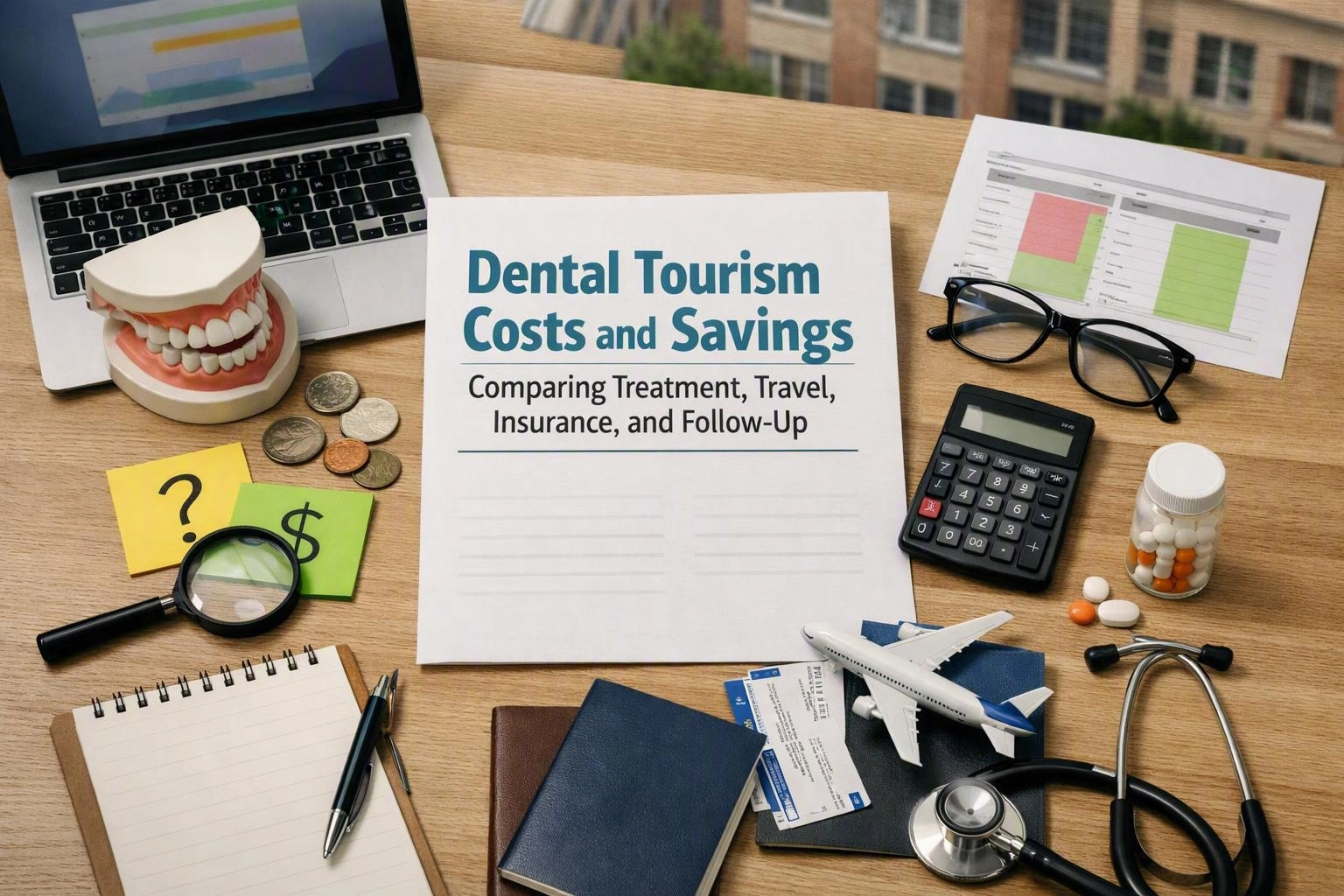
Travel insurance may help with emergency care, but that doesn’t always mean it covers the dental complication itself. A policy might pay for urgent medical evaluation while still excluding the revision treatment, implant rescue, or replacement crown. That difference matters when the risk is not just travel, but also post-op healing problems.
Complication coverage is most useful when it clearly names emergency care, return travel, and revision support. If the policy only covers trip cancellation or baggage loss, it won’t protect the treatment budget. Ask whether a dental complication coverage rider exists, and whether it applies to overseas dentistry, planned surgery, and follow-up visits.
Because Midwest weather can disrupt return flights and delay care, Chicago travelers should also check whether the policy helps with rescheduling or extended lodging. A delayed flight home is inconvenient, but a delayed infection check can become a real clinical and financial problem.
How Do I Compare Dental Tourism Prices Between Countries?
Dental tourism prices should be compared as total treatment packages, not by procedure fee alone. Chicago patients should line up the same materials, diagnostics, lab work, anesthesia, warranty terms, follow-up schedule, and complication policy across countries so the real total cost and savings are clear.
Use the same comparison sheet for every country: clinic quote, imaging, lab fees, temporary teeth, sedation, aftercare visits, and the rules for revisions. If one destination offers a low quote but charges separately for diagnostics or adjustments, the apparent savings may disappear. The best comparison uses the same quality standards and the same treatment scope.
| Comparison item | What to verify | Why it changes the total cost |
|---|---|---|
| Procedure price | Same treatment scope and number of teeth | A low quote may skip steps that Other clinics include |
| Material quality | Implant brand, ceramic type, and lab standard | Lower-grade materials can change durability and warranty terms |
| Diagnostics | Scans, X-rays, photos, and treatment planning | Missing diagnostics often become separate charges later |
| Laboratory fees | Crowns, bridges, temporaries, and remakes | Lab work can be a major part of the real package cost |
| Aftercare visits | How many follow-up checks are included | Extra trips raise travel expenses and lodging costs |
| Warranty terms | Length, exclusions, and revision policy | A weak warranty shifts revision risk back to the patient |
| Post-op care | Medication, emergency contact, and complication plan | Poor aftercare can trigger expensive emergency treatment |
For Chicago comparisons, also consider airfare options from the city’s major airport access. Nonstop and connecting flights can change the savings gap more than expected, especially if a return visit is needed. When you compare countries, compare the same airport pattern, the same recovery time, and the same domestic backup plan.
How Can I Calculate the Total Cost of Dental Tourism?
To calculate total dental tourism cost, add the overseas treatment quote, flights, hotels, meals, local transport, imaging, medications, insurance, and expected follow-up or revision expenses. Then compare that all-in number with Chicago pricing for the same procedure, materials, and aftercare to see the real savings.
A useful shortcut is to build two versions of the estimate: a best-case budget and a cautious budget. The best-case version assumes no revisions and one smooth trip. The cautious version includes an extra night, a return check, and a small reserve for unexpected care. If the cautious number still beats local pricing, the savings are more credible.
Chicago patients should also factor in winter travel disruptions. If a storm delays the flight home or pushes a follow-up visit, the revised total cost can rise fast. A smart comparison always includes revision risk, not just the first trip.
Where Dental Tourism Saves the Most on Treatment Types?
Dental tourism usually saves the most on high-cost, multi-unit treatment plans such as full-arch implants, full-mouth reconstruction, and complete smile makeovers. The bigger the treatment plan, the more room there is for lower clinic pricing to offset travel, But that only works if follow-up needs stay predictable.
| Treatment type | Typical savings potential | Why it tends to save more |
|---|---|---|
| All-on-4 and full-arch dental implants | High, when the plan is stable and includes proper aftercare | Large case size makes clinic pricing differences more meaningful |
| Full-mouth reconstruction | High, especially with bundled diagnostics and lab work | Many crowns, bridges, and implant steps add up quickly domestically |
| Porcelain veneers | Moderate to high for larger smile packages | Package pricing lowers the per-tooth cost when many teeth are treated |
| Single and multiple implants | Moderate, depending on travel and revision risk | Savings improve when one trip covers several teeth |
| Zirconia crowns and bridges | Moderate, especially in multi-unit cases | Laboratory fees and material pricing can be lower in package deals |
Typical savings are best when the treatment plan is broad and the clinic can keep quality steady. Smaller procedures can still look attractive, but travel costs, one extra hotel night, or a second appointment can erase the edge. That’s why a full-arch case often gives the clearest savings story.
Measurable Outcomes: Typical Before and After Cost Factors
A good dental tourism comparison turns vague savings into a clear before-and-after budget. Typical cases show lower treatment fees abroad, but higher or variable trip costs, more exposure to reimbursement limits, and more planning around follow-up care and complication coverage.
| Cost factor | Before planning | After planning |
|---|---|---|
| Clinic quote | Looks much lower than local pricing | Matched to the same materials, diagnostics, and warranty terms |
| Travel expenses | Not yet counted | Added for flights, transfers, and possible rebooking |
| Lodging | Often underestimated | Sized to healing time and possible follow-up visits |
| Insurance reimbursement | Assumed to help | Confirmed against out-of-network coverage and preauthorization rules |
| Revision risk | Often ignored | Budgeted for possible emergency care or complication coverage gaps |
In practice, the best savings calculations compare a domestic Chicago estimate against an overseas all-in budget with room for aftercare. If the numbers still favor the trip after travel, lodging, and revision risk are included, the decision is much more solid.
Frequently Asked Questions
Related Resources
How Much Do All-on-4 Dental Implants Cost in Chicago?
All-on-4 dental implants cost Chicago
What It CostsDental Implant Costs in Chicago: What a Complete Treatment Quote Includes
single dental implant cost Chicago
Compared ToFull-Mouth Reconstruction vs All-on-4: Which Treatment Fits Your Needs?
full mouth reconstruction vs All-on-4 Chicago
Compared ToDental Implants Abroad vs Chicago: Comparing Total Cost, Care, and Convenience
dental implants abroad vs Chicago cost