Dental Tourism Technology and Clinic Quality in Chicago
Dental tourism clinics can improve care with 3D CBCT imaging, digital smile design, CAD/CAM planning, and verified implant and crown brands. They should also do final quality checks. Chicago patients should confirm the scan, design, material, and lab workflow before booking treatment abroad.
What Technology Should a Dental Tourism Clinic Use?
A quality dental tourism clinic should use 3D CBCT, intraoral scanning, digital smile design, CAD/CAM planning, and documented sterilization and lab workflows. These tools cut down on guesswork. They also help with fit and appearance. Chicago patients can use them to check if the clinic can plan implants, veneers, crowns, and full-arch cases before travel.
For medical tourism dentistry, the best oral healthcare workflow starts with diagnosis and ends with quality control. A strong provider will capture a CBCT imaging file, review it with a surgeon, and pair it with an intraoral scanner or digital impressions. That mix helps match prosthetic fit with bite function and facial balance.
Ask whether the clinic uses a modern milling machine for restorations or works with an approved lab that follows written brand traceability and lab authorization steps. The answer matters for overseas dental care. It shows whether the team can move from planning to fabrication without guesswork.
Chicago patients should also look for full-arch planning tools, photo records, and a clear handoff for post-op records. Winter weather can disrupt outbound scheduling and follow-up planning, so remote case coordination matters more. As a large referral market, Chicago also supports higher expectations for documentation and second opinions before anyone boards a flight.
In practical terms, the clinic should show how it handles All-on-4 planning, porcelain veneer design, and full-mouth reconstruction workflow with the same digital discipline. If a provider can't explain the scan, design, and lab steps in plain language, that is a warning sign.
Comparison Table: Dental Tourism Technologies and What They Do
Dental tourism technology should be judged by what it does for diagnosis, design, fabrication, and verification. The right mix helps a clinic plan accurately, make restorations the same way each time, and document quality checks. That matters a lot for Chicago patients comparing implant and cosmetic dentistry options abroad.
| Type | Key Features | Typical Cost | Best For |
|---|---|---|---|
| Imaging | 3D CBCT, panoramic review, photo records, and digital impressions that reduce blind spots. | Often bundled into consult pricing or case planning; varies widely by clinic. | Implants, sinus cases, and complex cosmetic work that needs clear diagnosis. |
| Planning software | Digital smile design, bite analysis, virtual wax-ups, and full-arch planning. | Usually included in treatment plans; premium digital workflows may cost more. | Veneers, crowns, bridges, and smile makeovers that need aesthetic preview. |
| Milling systems | CAD/CAM dentistry, chairside milling, and lab milling for crowns, bridges, and provisional parts. | Costs are built into the restoration fee in most clinics. | Cases needing fast turnaround, consistent margins, and predictable fit. |
| Quality control | Sterilization protocol, occlusion checks, try-ins, brand traceability, and post-op records. | Usually not itemized, but should be visible in the clinic’s workflow. | Patients who want proof that the work is documented and serviceable later. |
For Midwestern travel access through major airports, this table matters because short-notice trips often leave less room for guesswork. When a clinic can show imaging, planning software, milling systems, and quality control together, Chicago patients can compare overseas dental care with the same care they would use at home.
Why 3D CBCT Matters Before Dental Implants Abroad?
3D CBCT matters because it shows bone volume, nerve paths, sinus anatomy, and implant spacing before treatment starts. For Chicago patients considering All-on-4, full-arch implants, or single implants abroad, CBCT lowers planning risk. It also helps the clinic choose the safest implant size, angle, and restoration design.
A 3D CBCT scan is more than a picture. It is a planning file that lets the surgeon measure bone volume, map nerve positioning, and check where a titanium implant can safely sit. That level of review is essential when a clinic offers overseas dental care for complex cases.
Without that scan, the team may rely on guesswork. With it, they can avoid thin bone, identify sinus limits, and decide whether grafting is needed before placement. This is especially useful for Chicago patients who want a second opinion before booking, because the scan can be reviewed remotely and compared with the proposed treatment sequence.
CBCT is also important for crown and bridge planning after implant surgery. It helps match the prosthetic fit to the implant angle and bite. For full-arch planning, that link lowers the chance of a rushed remake after the patient flies home.
In winter, Chicago travel timing matters even more. Bad weather can delay flights and squeeze follow-up visits, so the clinic should provide digital records and remote coordination that make the pre-op plan easy to review before departure.
How Digital Smile Design and CAD/CAM Improve Fit and Aesthetics?
Digital smile design and CAD/CAM turn the treatment plan into a visual and measurable workflow. For veneers, crowns, bridges, and smile makeovers, they help the clinic preview tooth shape, coordinate bite and proportions, and make restorations from digital files instead of relying only on manual guesswork.
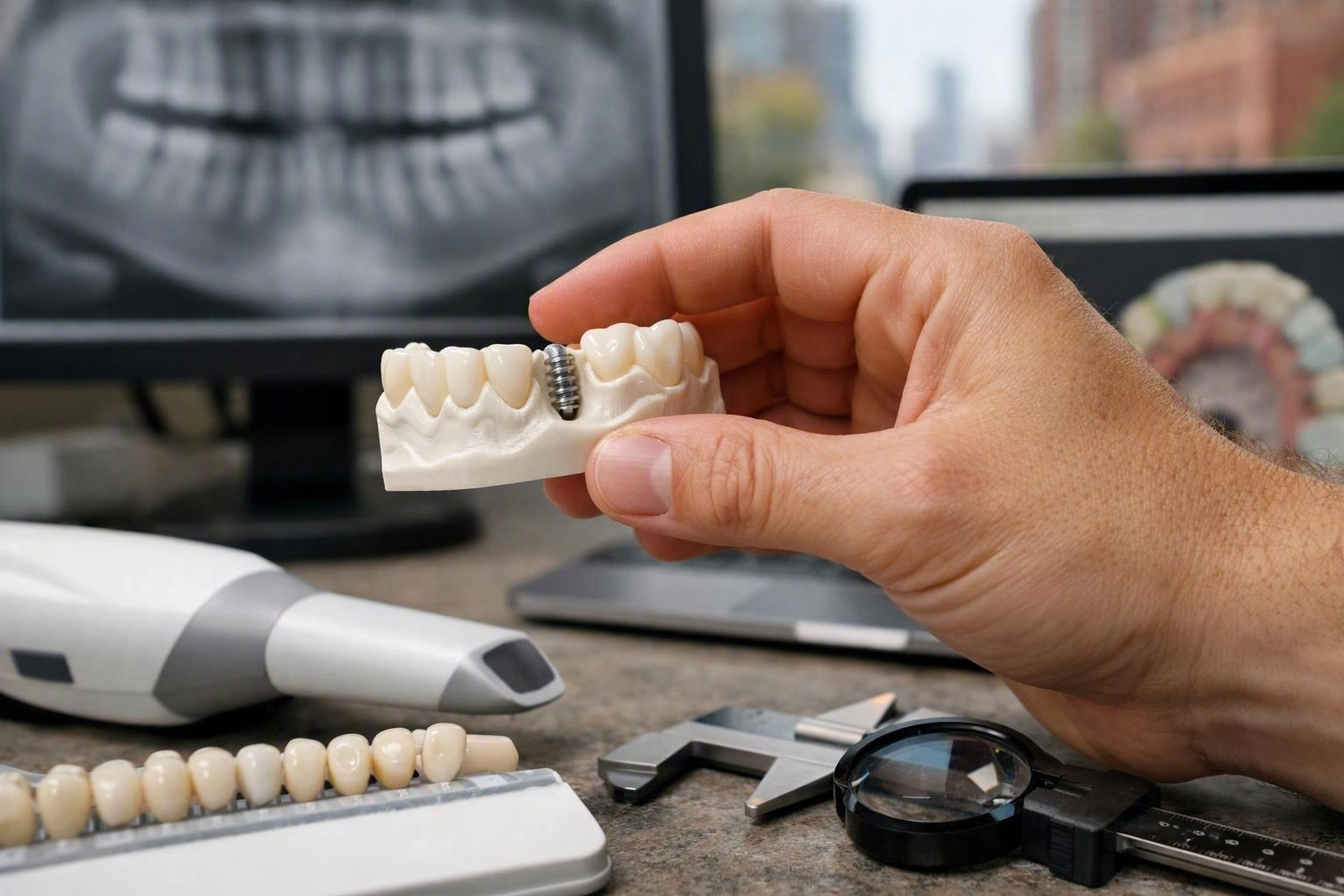
Digital planning starts with photos, an intraoral scan, and facial analysis. The clinician then maps the teeth into a mock-up so the patient can see likely shape, length, and symmetry before any irreversible work begins. That helps Chicago buyers compare downtown specialist pricing against international package pricing, because the preview makes the proposed value easier to judge.
CAD/CAM dentistry takes that design and turns it into a fabrication workflow. The files can guide a milling machine to create crowns, bridges, or temporary restorations with consistent margins and smoother handoffs. In many clinics, the same digital chain supports zirconia crowns, porcelain veneer design, and full-mouth reconstruction workflow.
For a patient considering medical tourism dentistry, this is not just about looks. A precise digital plan can improve occlusion, reduce chairside adjustments, and make post-op records easier to interpret later. That is especially helpful when a patient returns to Chicago and needs continuity with a local dentist or specialist.
What Is Digital Smile Design?
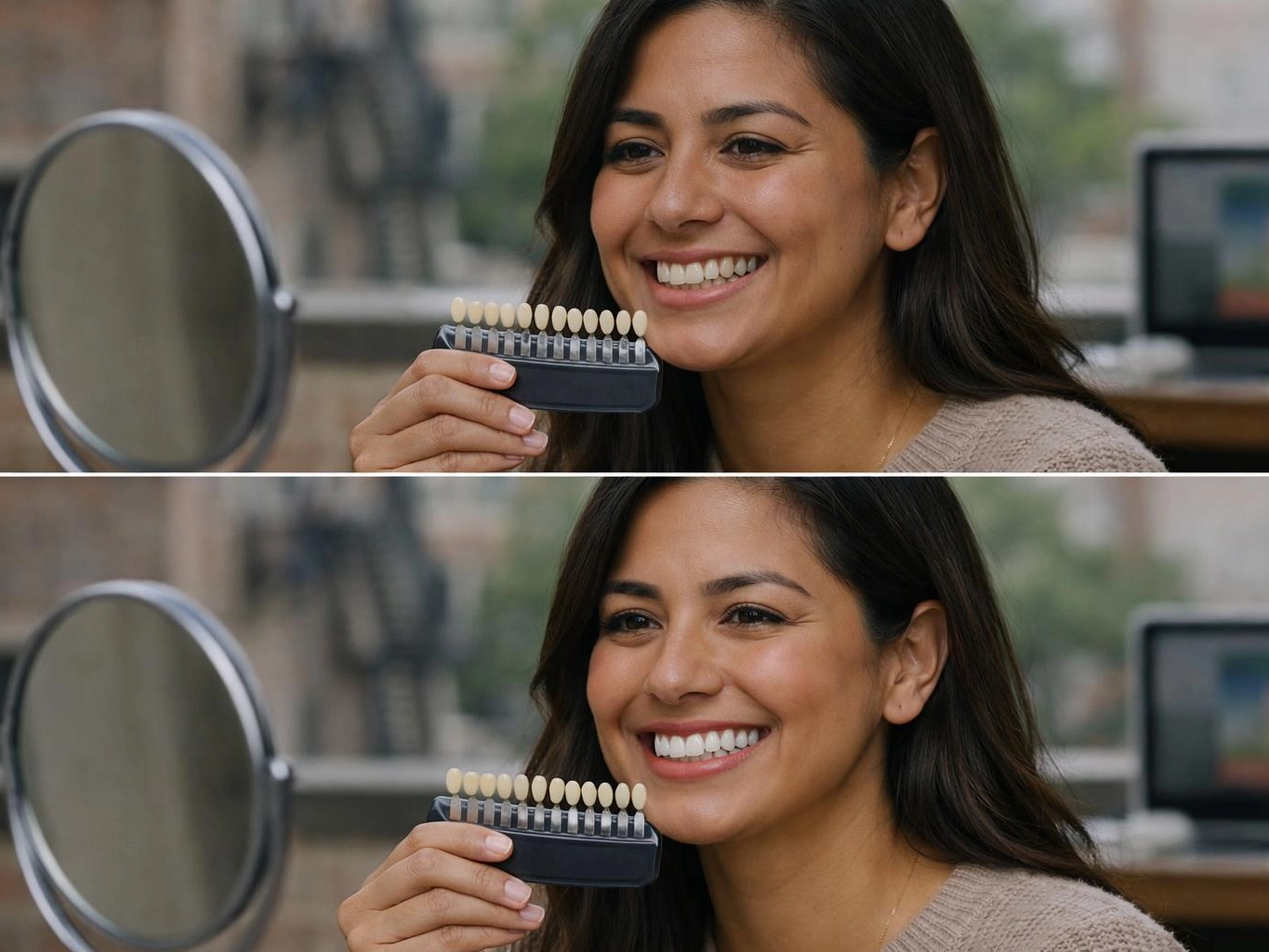
Digital smile design is a planning system that uses photos, measurements, and facial analysis to preview how the final smile may look. It helps the clinic test tooth proportions, smile line, and symmetry, so the final plan fits the face instead of following a one-size-fits-all template.
In practical terms, the team can show an aesthetic preview that looks at lip line, tooth width, and how the smile works with the rest of the face. That matters for cross-border dentistry because patients often want to compare options remotely before they travel.
For Chicago patients, a clear preview makes it easier to judge whether the proposed work is worth a trip abroad. It also creates a shared reference for any second opinion before departure.
Do Dental Tourism Clinics Use CAD/CAM Technology?
Yes, many clinics use CAD/CAM for digital impressions, chairside milling, and lab production of restorations. The best setups rely on digital files instead of hand-only guesswork, which improves fit and helps the team deliver crowns, bridges, and temporary teeth more predictably.
Ask whether the clinic uses digital impressions and whether the lab accepts the files directly. If they do, the workflow is usually faster and easier to document. Chairside milling may also allow same-day adjustments in some cases, though complex full-arch work can still require staged visits.
For patients coming from Chicago, a digital chain is useful because it keeps the case organized during travel and makes remote coordination easier if the schedule shifts.
What Equipment and Materials Indicate a Quality Dental Tourism Clinic?
A quality dental tourism clinic uses verified implant systems, zirconia or well-specified restorative materials, digital impressions, sterilization equipment, and documented lab protocols. Chicago patients should look for brand transparency, lot tracking, and final fit checks because equipment and materials show whether the clinic can deliver predictable long-term outcomes.
Chicago patients often compare downtown specialist pricing against package pricing abroad, so the best value is not the lowest number. It is the clearest workflow. If the provider can show implant systems, zirconia choices, and post-op records, the case is easier to service later.
For a large referral market like Chicago, that clarity matters because patients often want a local dentist to understand exactly what was placed. Equipment and materials are the easiest place to spot whether a clinic is organized enough to support that continuity.
How Can I Verify the Implant or Crown Brand Used?
You can verify the implant or crown brand by asking for the manufacturer name, product line, lot number, and written treatment record before you travel home. Reputable clinics provide an implant passport, invoice details, or lab documentation so Chicago patients can confirm exactly what was placed and how to service it later.
This matters because a crown or implant without traceable records is harder to service later. If a clinic can't give you the brand name or lot number, that is a sign to slow down and ask more questions. In cross-border dentistry, transparency is part of quality control.
For patients who may return for a local adjustment after travel, the paperwork also helps a dentist understand the exact system used. That reduces confusion and supports continuity of care.
How Quality Checks Protect Chicago Patients After Treatment?
For Chicago patients, these checks matter even more when winter travel or short-notice flights tighten the schedule. A clinic that documents the final try-in and occlusion check is more likely to hand off a stable case that can be managed after the return trip.
Frequently Asked Questions
Book a consultation if you want a Chicago-focused review of scan quality, brand traceability, and treatment planning before you travel.
Related Resources
How Much Do All-on-4 Dental Implants Cost in Chicago?
All-on-4 dental implants cost Chicago
What It CostsDental Implant Costs in Chicago: What a Complete Treatment Quote Includes
single dental implant cost Chicago
Compared ToFull-Mouth Reconstruction vs All-on-4: Which Treatment Fits Your Needs?
full mouth reconstruction vs All-on-4 Chicago
Compared ToDental Implants Abroad vs Chicago: Comparing Total Cost, Care, and Convenience
dental implants abroad vs Chicago cost