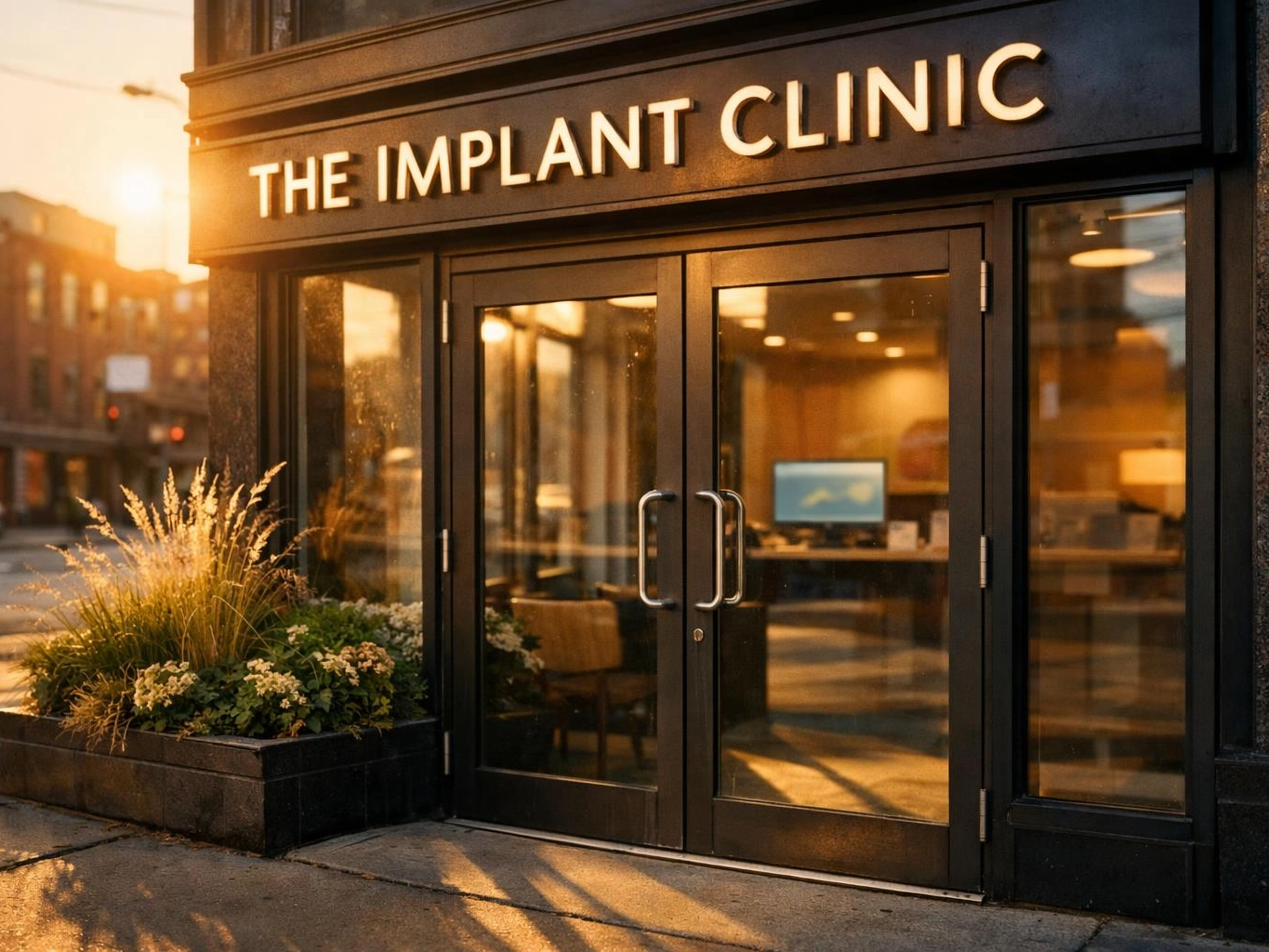
Types of Dental Tourism Treatments in Chicago, IL
Dental tourism treatments include All-on-4 and full-arch implants, full-mouth reconstruction, single and multiple implants, zirconia crowns and bridges, porcelain veneers, and smile makeovers. In Chicago, patients compare these options by healing time, number of visits, esthetic goals, and tooth replacement needs to choose the best fit.
What Dental Treatments Can You Get Through Dental Tourism in Chicago?
Dental tourism treatments in Chicago include restorative and cosmetic options that patients can schedule around travel, healing, and follow-up needs. The most common choices are implants, full-arch solutions, crowns, veneers, and smile makeovers. People choose them based on how many teeth need repair, replacement, or a better look.
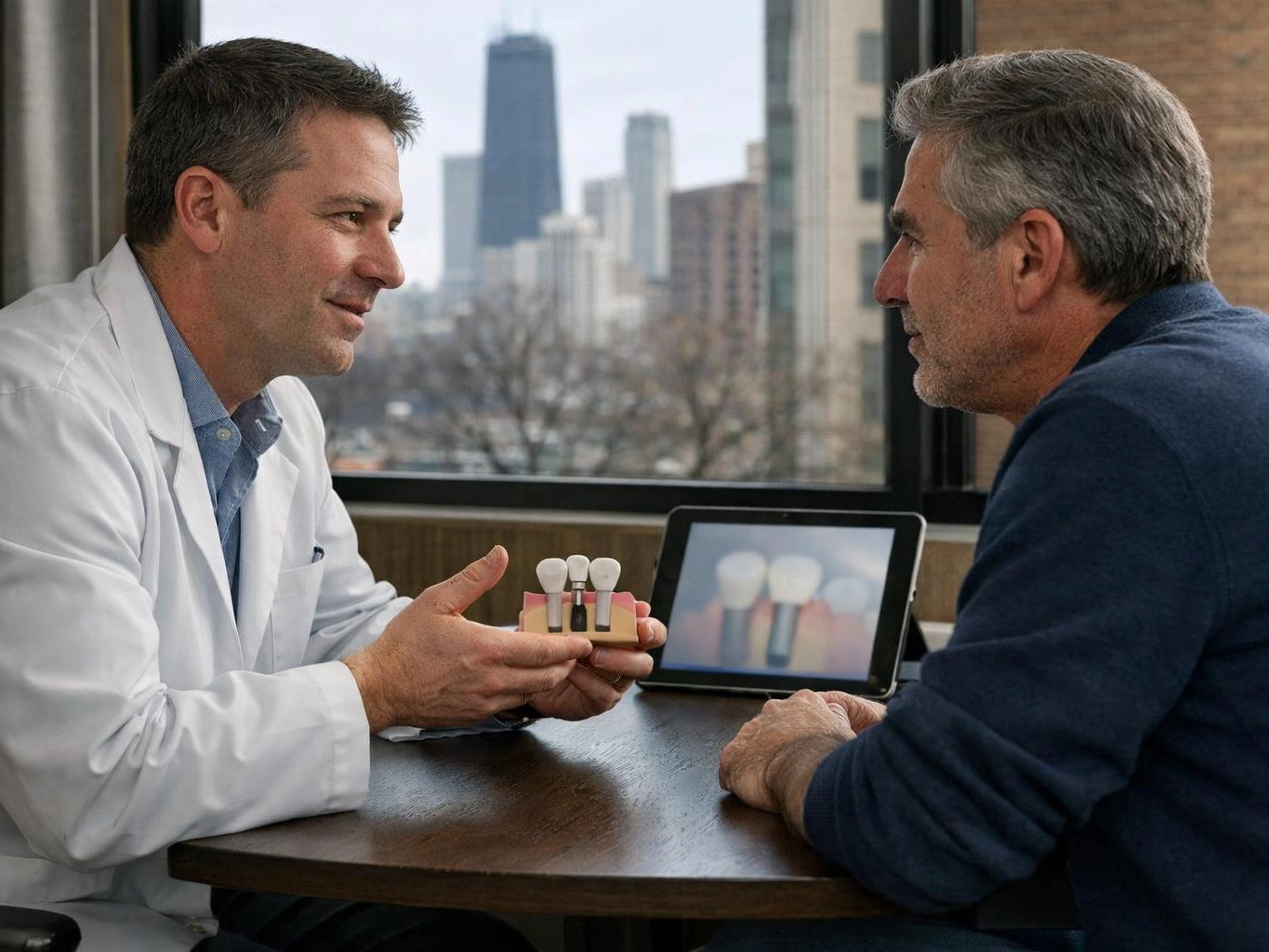
For Chicago dental tourism, treatment planning starts with a consultation, CT scan, and bite alignment review. That helps the dentist match your oral rehabilitation to your goals. It also matters for downtown access, airport convenience, and work schedules, because many patients compare cross-border dental care with the time it takes to leave and return to the metro area. In winter, short-return scheduling can be harder, so staged treatment phases and clear follow-up timing become even more important. Patients may need temporary teeth, bone grafting, or longer healing time before final prosthetics are placed.
Across restorative dentistry and cosmetic dentistry, the right choice depends on tooth replacement needs, jawbone support, and esthetic outcome. Some people want a single prosthesis for one missing tooth, but others need full-arch restoration or full-mouth reconstruction for failing dentition. The best plan balances comfort, longevity, and how many trips you can realistically make from the city or nearby suburbs.
Which Dental Tourism Option Is Best for Missing Teeth?
Missing teeth are best treated with the option that matches the number of teeth lost, bone support, and desired recovery timeline. Single implants suit one tooth, multiple implants suit several gaps, and All-on-4 or full-arch care is often best when many teeth are missing or failing.
| Type | Key Features | Typical Cost | Best For |
|---|---|---|---|
| Single dental implant | One root replacement, abutment, and crown; preserves adjacent teeth and supports osseointegration. | Usually the lowest implant-based option, though fees vary with imaging, grafting, and prosthesis design. | One missing tooth with healthy jawbone support. |
| Multiple dental implants | Two or more implants can support separate crowns or a bridge for several gaps. | Mid-range among tooth replacement choices; cost rises with the number of fixtures and restorations. | Several missing teeth in different areas. |
| All-on-4 | Four strategically placed implants support a full-arch prosthesis, often with temporary teeth right away. | Typically less than replacing every tooth individually, but more than a simple crown case. | Extensive tooth loss and a faster route to full-arch restoration. |
| Full-arch dental implants | A custom prosthesis is secured to implants for broad bite support and stable function. | Often the highest investment in missing-tooth care, especially if bone grafting is needed. | Most or all teeth are failing, worn, or already absent. |
Single and Multiple Dental Implants for One or Several Missing Teeth
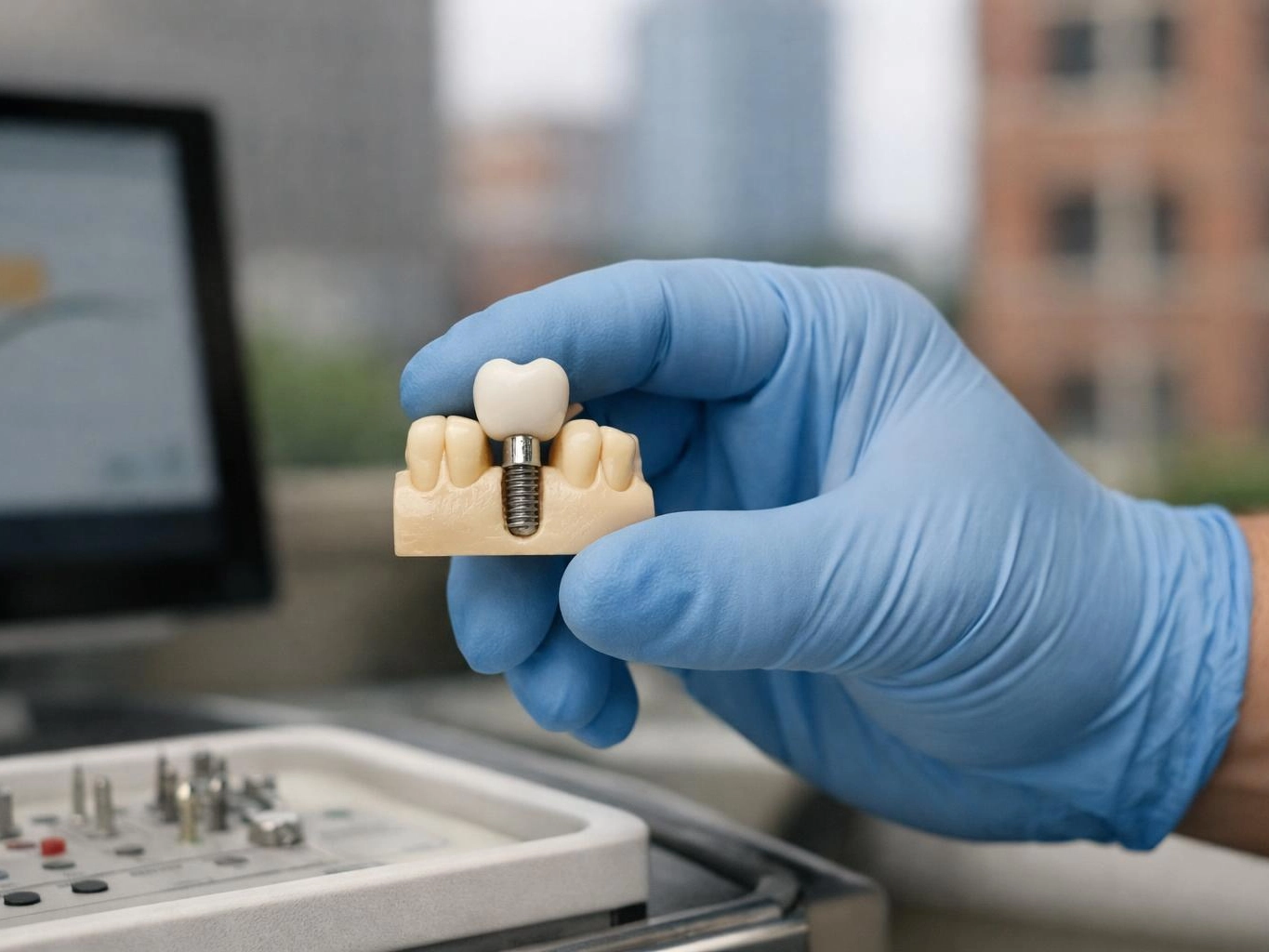
Single dental implants are best when one tooth is gone and the neighboring teeth are healthy. A titanium post replaces the root, an abutment connects the parts, and a crown restores the visible tooth. Multiple dental implants work well for several gaps because they limit the need to shape nearby teeth and can improve bite alignment. Both rely on osseointegration, the fusion process that lets the implant bond with the jawbone. That healing period is why some patients need staged treatment phases and temporary restorations while they travel between visits.
All-on-4 and Full-Arch Dental Implants for Extensive Tooth Loss
All-on-4 and full-arch dental implants are often the best match when many teeth are missing or failing. Four or more fixtures support a stable prosthesis, and some patients receive temporary teeth on the same day to keep function and appearance moving forward. This approach depends on jawbone support, but it can reduce the number of surgical sites and speed the path to full-arch restoration. For patients comparing oral health tourism options, it is often easier to plan one major trip and a return follow-up than many separate appointments.
Can You Travel Abroad for Full-Mouth Reconstruction?
Full-mouth reconstruction can be completed through dental tourism when the treatment plan is staged and the patient can return for the needed visits. It is best for worn, broken, or failing teeth, and it often combines implants, crowns, bridges, and cosmetic work to restore function and appearance.
Yes, you can travel abroad for full-mouth reconstruction if the schedule fits the bite rehabilitation plan. This kind of oral rehabilitation is not a single procedure. It is a coordinated set of dental procedures that may involve root care, restorative dentistry, prosthodontics, and cosmetic dentistry. The dentist must check occlusion carefully, because the final bite affects comfort, speech, and the long-term fit of each prosthesis. Patients with severe wear, cracks, or failing dentition may need bone grafting or Other preparation before the main treatment phases can begin.
For Chicago patients, the decision often comes down to logistics. A treatment that needs a quick return visit may be harder in winter, when weather can disrupt flights and ground travel. Some people can work around that by booking longer stays and using temporary teeth until the definitive restorations are ready. Others prefer a local dentist for part of the work and use cross-border dental care only for the major surgical or esthetic stages. Either way, the best plan is the one that keeps healing time realistic and follow-up timing predictable.
In practice, a full-mouth reconstruction may combine implants, zirconia crowns, zirconia bridges, and veneer cases to rebuild both strength and appearance. Because it spans multiple steps, it helps to have clear consultation notes, a CT scan, and a final occlusion check before travel. That makes the result more predictable and keeps the esthetic outcome aligned with the patient’s long-term oral health goals.
Can You Get Veneers, Crowns, or a Smile Makeover Abroad?
Veneers, crowns, bridges, and smile makeovers are common dental tourism choices for patients who want faster cosmetic improvement or stronger tooth restoration. Veneers refine shape and color, crowns protect damaged teeth, bridges replace missing teeth, and smile makeovers combine multiple services for a more complete result.

| Type | Key Features | Typical Cost | Best For |
|---|---|---|---|
| Porcelain veneers | Thin shells bond to front teeth to improve shape, shade, and symmetry with minimal tooth enamel reduction. | Usually a moderate cosmetic investment, with cost depending on how many teeth are treated. | Visible front teeth with chips, spacing, or discoloration. |
| Zirconia crowns | Strong restorations that cover damaged teeth and blend durability with an esthetic finish. | Typically higher than basic crowns, but often chosen for strength and appearance. | Teeth weakened by decay, fractures, or large fillings. |
| Zirconia bridges | Bridge restorations span missing teeth with durable prosthodontics and stable bite function. | Varies with span length, support teeth, and lab design. | One or more missing teeth where bridgework is appropriate. |
| Smile makeover | A combined treatment plan that may pair veneers, crowns, whitening, and alignment changes. | Ranges widely because it depends on the number and type of procedures included. | Patients wanting a broad esthetic outcome and coordinated planning. |
Porcelain Veneers for Shape, Color, and Symmetry
Porcelain veneers are best for front teeth that need a cosmetic lift rather than full structural replacement. They bond to tooth enamel and can improve shape, brightness, and symmetry with conservative trimming. In esthetic dentistry, they are often chosen for visible teeth that look uneven, worn, or stained. They work well when the bite is stable and the patient wants a faster visual change without major surgery.
Zirconia Crowns and Bridges for Strength and Durability
Zirconia crowns and zirconia bridges are ideal when strength matters as much as appearance. These prosthodontics options protect damaged teeth, restore chewing, and can replace missing spans with durable support. They are often used when decay, fracture, or large fillings have weakened a tooth beyond what a filling can handle. A good fit depends on bite alignment, surrounding tooth health, and how the restoration will interact with the rest of the arch.
Smile Makeovers When You Want Multiple Treatments Combined
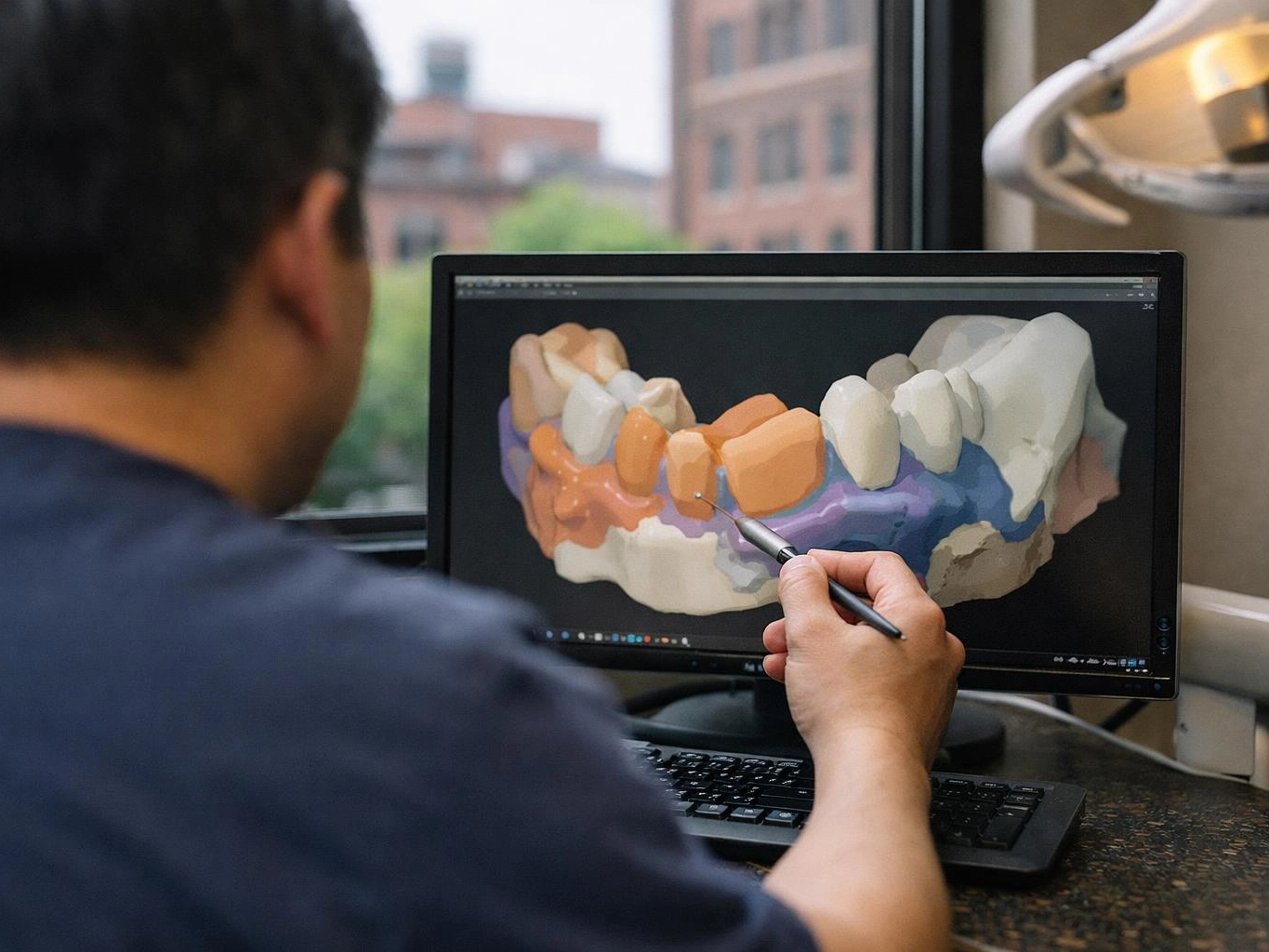
A smile makeover is the right choice when a single fix will not meet the goal. Using digital smile design, the team can map a combined treatment plan that may include veneers, crowns, whitening, and minor alignment changes. That planning helps patients compare esthetic outcome options before travel. It is useful for busy Chicago patients who need to line up work, flights, and follow-up visits. The best smile makeover is the one that balances beauty, function, and realistic healing time.
How Long Does Dental Implant Treatment Take During Dental Tourism?
Dental implant treatment during dental tourism usually takes more than one phase because implants need time to integrate with the jawbone before the final restoration is placed. Some patients receive immediate temporary teeth, but the full process depends on bone health, grafting needs, and the number of implants.
For most patients, the timeline is measured in treatment phases rather than one trip. Simple cases may move faster, while grafting, multiple implants, or jawbone support issues can extend the healing time. Chicago travelers should plan around winter weather, airport access, and work schedules so a return visit is realistic. Predictable scheduling matters most when temporary teeth are part of the plan, because that keeps daily function stable while the implant site matures.
In short, the answer is not one fixed number. The more complex the oral rehabilitation, the more important the follow-up visit and the more likely you will need a staged approach that fits both medical needs and travel logistics.
Frequently Asked Questions
Next Step for Your Treatment Plan
If you are comparing oral rehabilitation options, start with a consultation that reviews your bite alignment, jawbone support, and travel timeline. A clear plan helps you choose between tooth replacement, cosmetic dentistry, and combined treatment phases that fit real life in Chicago and beyond.
Contact the team to compare your options, confirm follow-up timing, and choose the right restorative dentistry path for your smile.
Related Resources
How Much Do All-on-4 Dental Implants Cost in Chicago?
All-on-4 dental implants cost Chicago
What It CostsDental Implant Costs in Chicago: What a Complete Treatment Quote Includes
single dental implant cost Chicago
Compared ToFull-Mouth Reconstruction vs All-on-4: Which Treatment Fits Your Needs?
full mouth reconstruction vs All-on-4 Chicago
Compared ToDental Implants Abroad vs Chicago: Comparing Total Cost, Care, and Convenience
dental implants abroad vs Chicago cost