Porcelain Veneers Aftercare for Chicago Patients
Porcelain veneers aftercare protects your new smile. Keep the veneers clean, avoid hard and staining foods, wear a night guard if you grind, and call your dentist if anything feels loose, rough, or sensitive. In Chicago, dry winter air, sudden weather changes, and stress can raise wear risk, so steady brushing, flossing, and follow-up care help veneers last longer and look natural.
Porcelain veneers need aftercare to protect their look, strength, and your oral health. In cosmetic dentistry, veneer care is part of the full smile plan, because the bonding material, gumline, and bite all need time to settle. Follow your post-operative instructions, and you can lower the risk of sensitivity, gum irritation, and early wear.
What to Do Right After Porcelain Veneers Placement?
During the first day, avoid using your front teeth to tear food, open packaging, or bite hard items. That matters even more for Chicago patients rushing between work, transit, and social plans, because hurried habits can strain the new smile. Gentle care now supports stronger veneer care later.
Porcelain veneers aftercare works best on a simple timeline. Right away, protect the bite and avoid extremes. During the first week, clean gently and watch for sensitivity. In the first month, ease back into your normal diet. After that, keep up professional cleanings and habits that help prevent chipping, staining, and gum irritation.
Porcelain Veneers Aftercare Timeline: Immediate to Ongoing
| Time period | What to do | Why it matters |
|---|---|---|
| Immediate | Use soft foods, avoid extremes in temperature, and protect the bite while the restorations settle. | Reduces early stress on the bonding material and helps limit tooth sensitivity. |
| First Week | Brush with a soft-bristled toothbrush, use non-abrasive toothpaste, and floss gently around each veneer. | Supports oral hygiene without wearing down the finish or irritating the gumline. |
| First Month | Return to a normal diet step by step, avoid repeated biting on hard items, and attend any bite adjustment visit if recommended. | Helps the smile adapt to daily use without creating pressure points. |
| Ongoing | Keep regular cleanings, wear a night guard if you clench or grind, and schedule follow-up visits as advised. | Prevents wear, helps protect bonding margins, and keeps the restorations looking natural. |
Most patients do best when they treat maintenance as part of daily dental care, not a one-time task. In Chicago, cold, dry winters can make the mouth feel less comfortable, so hydration, careful brushing, and routine follow-up care matter even more. Over time, the same habits that support oral hygiene also help protect against staining and edge wear.
Porcelain veneers can chip or stain when patients bite ice, chew hard foods, use teeth as tools, or grind and clench at night. To protect veneers, choose softer foods at first, avoid too much pressure on the front teeth, and cut back on habits that put force on the veneer edges.
Foods and Habits That Can Damage Veneers
For patients in Chicago, commuting stress and long workdays can make these habits worse without you noticing. If you catch yourself clenching during the day, pause, relax your jaw, and keep your teeth slightly apart. That small change can help your smile makeover stay strong and comfortable.
Porcelain veneers should be cleaned like natural teeth, but with extra care. Brush twice daily with a soft-bristled brush, use non-abrasive toothpaste, and floss gently to protect the gumline and bonding margins. Good home care prevents plaque buildup, discoloration around the edges, and inflammation near the restorations.
How to Clean Porcelain Veneers Without Damaging Them?
Use a soft-bristled toothbrush and a non-abrasive toothpaste so you can clean well without scratching the surface. Brush twice a day with light pressure, and pay attention to the gumline where plaque can collect. That area matters because buildup near the bonding margins can lead to irritation, staining, and a less polished look.
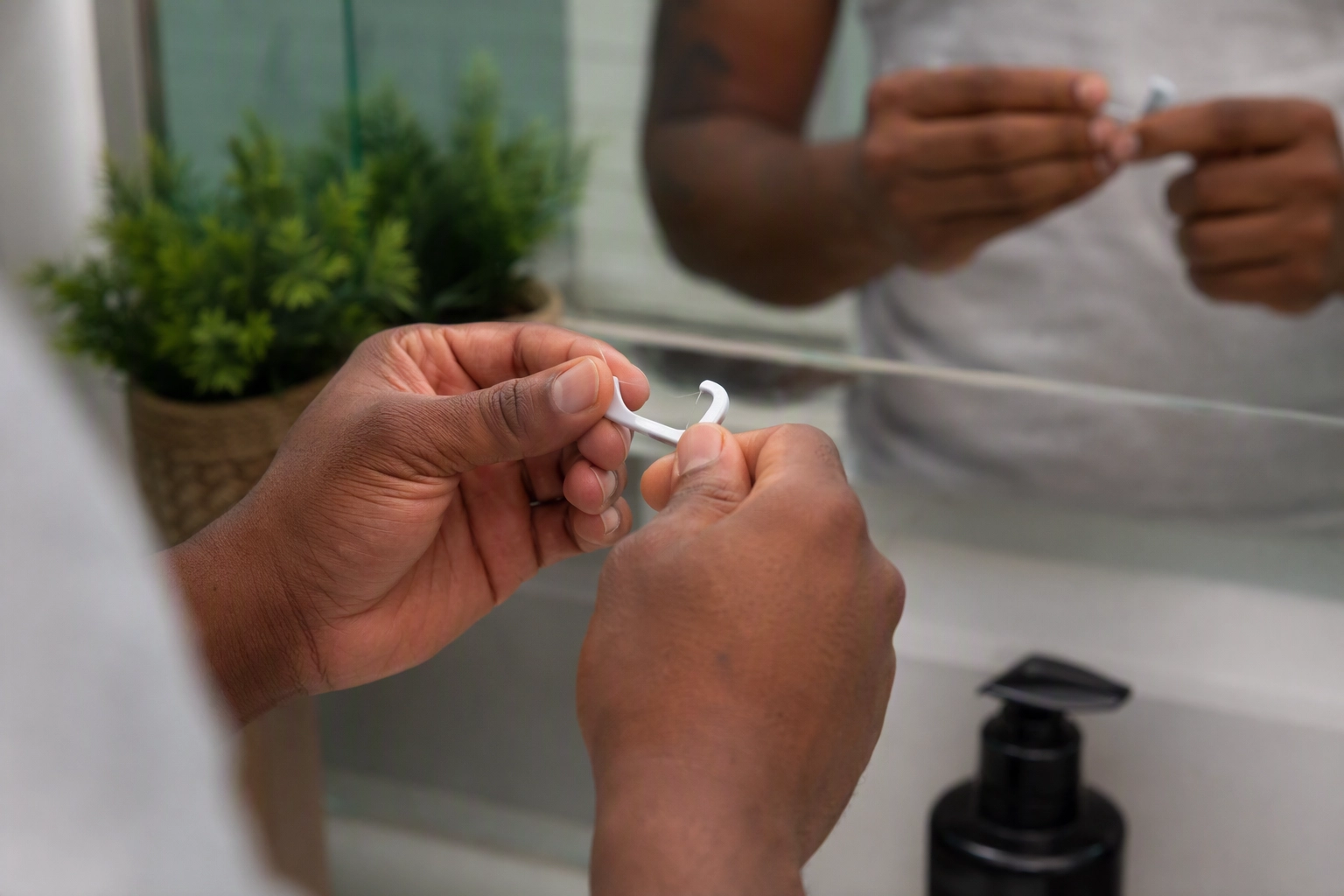
Flossing is still important. Slide dental floss gently between each tooth and move it in a C-shape along the side of the veneer, rather than snapping it downward. This brushing technique after veneers helps protect the edges and supports healthy dental hygiene. If you have bridges, crowding, or tight spaces, ask about floss threaders or Other tools that make cleaning easier.
Rinse after meals when you can, especially after staining foods or acidic drinks. Most people do well with normal oral hygiene, but consistency matters most. If you notice plaque near the gumline or feel roughness at the margins, bring it up at your next follow-up appointment so your dentist can check for wear or a simple polish issue.
Porcelain veneers need prompt care if you notice lasting sensitivity, a rough or sharp edge, a loose feel, visible gaps, or gum irritation around the restorations. These signs can point to bonding problems, bite issues, or margin wear, and early care helps prevent larger repairs.
Warning Signs Your Veneers Need a Dentist’s Attention
If you notice any of these signs after a smile makeover, do not wait for your next routine cleaning. A quick check can show whether you need a small adjustment, polishing, or new bonding support before the issue gets worse.
Porcelain veneers in Chicago need extra attention because winter dryness, seasonal temperature changes, and stress-related clenching can increase sensitivity and wear. Patients who travel often, drink coffee regularly, or grind at night benefit from steady checkups and protective habits that support veneer longevity.
Why Chicago Weather and Lifestyle Matter for Veneer Care?
Chicago winters can dry out the mouth, which makes oral hygiene feel less comfortable and can make tooth sensitivity more noticeable after cosmetic dental work. Seasonal temperature swings may also make some patients notice bite discomfort when they move between cold outdoor air and warm indoor spaces. That’s one reason follow-up care matters so much here.
The city’s fast pace, commuting patterns, and long work hours can lead to jaw clenching and bruxism, especially at night. A night guard can help protect the restorations, and regular checkups let your dentist look for wear before it becomes a bigger issue. For many patients, post-veneer maintenance is really about handling daily life well.
Frequently Asked Questions
If you need help with veneer care, schedule a follow-up visit to review brushing technique after veneers, bite comfort, and any sensitivity concerns. For Chicago patients who want guidance on post-veneer maintenance or a custom night guard, use the contact page to get started.
Contact the officeRelated Resources
Porcelain Veneers and Smile Makeovers: Cost, Appointments, and Timeline
porcelain veneers process and cost Chicago
What to AvoidDental Tourism Mistakes to Avoid Before Booking Treatment
dental tourism mistakes to avoid
What to AvoidVeneer Mistakes to Avoid Before You Commit to Treatment
veneers mistakes to avoid
What's RequiredYour Dental Tourism Checklist: What to Prepare Before, During, and After Treatment
dental tourism checklist before flying