Veneers Mistakes to Avoid Before Treatment in Chicago
Veneers mistakes to avoid start with skipping diagnosis, rushing shade selection, overpreparing enamel, and choosing veneers without fixing cavities or gum disease first. Chicago patients also make avoidable errors by ignoring bite issues, expecting veneers to be maintenance-free, and not comparing alternatives like bonding or aligners. The safest path is a full exam, conservative prep, realistic planning, and a customized smile makeover.
What Are the Most Common Veneer Mistakes Patients Make?
Veneers mistakes usually come from poor planning, not the ceramic itself. Patients rush treatment, ignore bite and gum health, choose the wrong shade or shape, and expect veneers to fix every cosmetic issue. A complete exam and conservative design help prevent chips, discomfort, unnatural results, and costly rework.
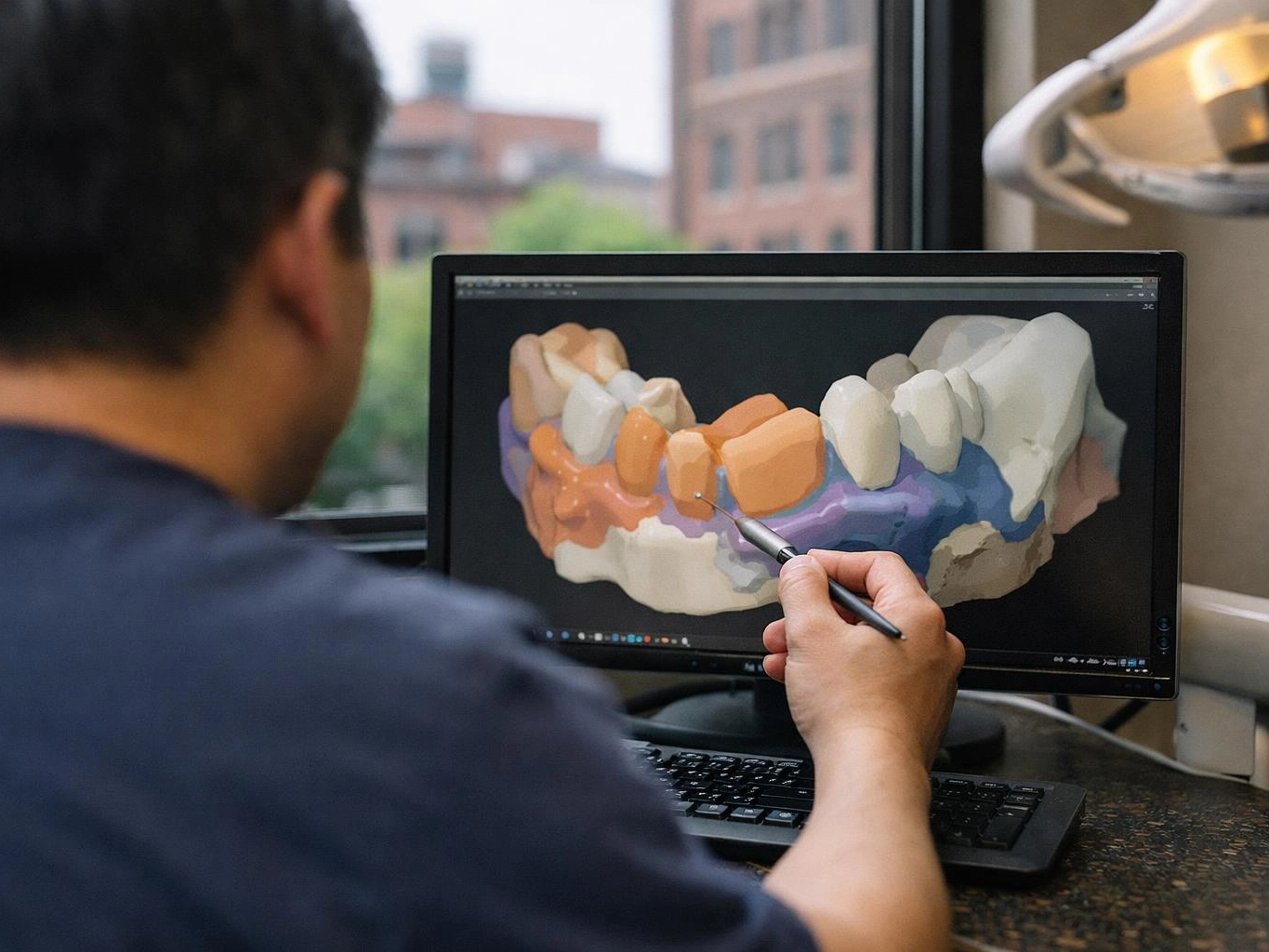
The biggest risk is treating porcelain veneers like a quick fix instead of a full treatment planning process. Good smile design looks at facial symmetry, tooth proportions, and bite alignment before any tooth preparation starts. In Chicago cosmetic dentistry, that matters even more because travel can make follow-up visits harder, and winter dry air can make sensitivity feel worse during temporary veneers. The best case starts with healthy gums, stable teeth, and a plan that matches your goals.
What Are the Most Common Mistakes People Make with Veneers?
These errors often turn a simple cosmetic case into a longer restorative dentistry project. The fix is a mock-up, careful communication, and a dentist who confirms the plan before bonding.
Should I Fix Cavities or Gum Disease Before Veneers?
Yes. Dental caries, gingivitis, and periodontal disease should be treated before cosmetic work begins, because veneers need a stable base of oral health. If decay is left in place, it can spread under the restoration. If gums are inflamed, the final edges may not fit well or look natural.
A pre-veneer exam should confirm that gum disease is controlled, the teeth are free of active cavities, and the supporting tissues are ready for treatment. That matters in Chicago, where lakefront humidity swings and seasonal allergies can make gums look puffier or bleed more easily. If the tissue is not calm, the dentist should delay preparation and improve oral health first. This step protects your smile makeover and lowers the chance of rework.
How Much Enamel Is Removed for Porcelain Veneers?
Porcelain veneers usually require only a conservative amount of enamel removal, but the exact reduction depends on tooth position, shade goals, and whether the case needs space for ceramic. Too little prep can make veneers bulky; too much can weaken teeth. A skilled dentist plans the minimum reduction needed for stable bonding and natural contours.
Enamel reduction is usually limited to the front tooth surface and sometimes the incisal edge, with the goal of making room for the porcelain veneer thickness without overcontouring. The amount of tooth preparation depends on whether the case uses full porcelain veneers, minimal-prep veneers, or laminate veneers. In many cosmetic dentistry cases, the safest approach is to remove just enough enamel to support strong bonding and keep the final profile smooth.
Overpreparing can create sensitivity, especially in Chicago winters when dry indoor heating can make teeth feel more reactive. Underpreparing can leave the restoration too thick and affect speech, lip support, or bite contact. The right plan balances strength, appearance, and conservation so the tooth remains healthy underneath the ceramic.
For patients who travel into the city for treatment, the schedule should also allow time for temporary veneers, review visits, and adjustments before final cementation. That sequencing helps the team verify fit and comfort without rushing the result.
How Do You Choose the Right Veneer Shade and Shape?
The right veneer shade and shape should match your skin tone, lip line, facial proportions, and the brightness of neighboring teeth. Overly white or square veneers often look artificial, while a subtle shape mismatch can age the smile. Digital smile design and try-in comparisons help patients choose a natural result before final bonding.
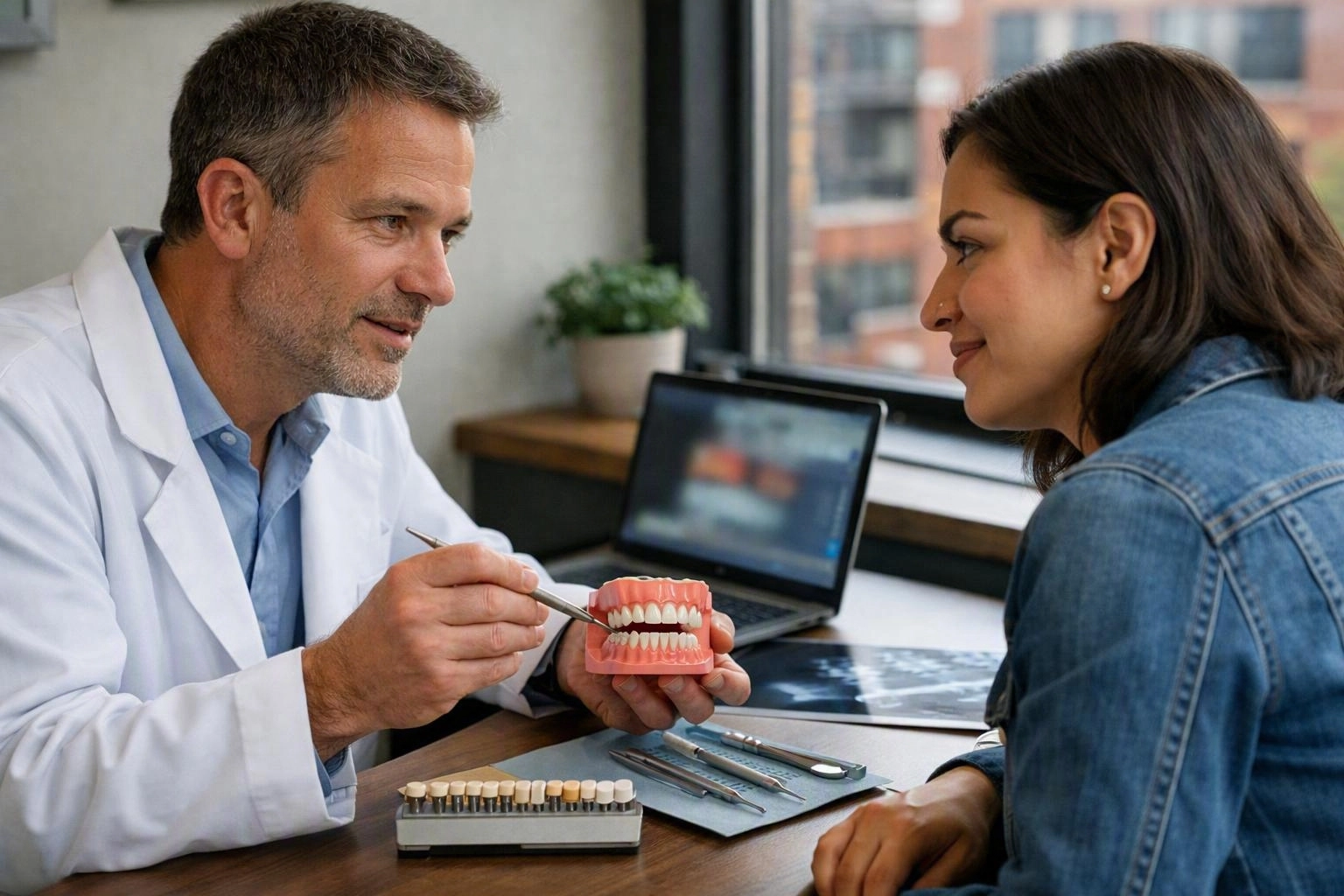
Good shade matching starts with a shade guide, then checks how the ceramic looks in daylight, indoor light, and against adjacent teeth. Tooth morphology matters too, because the new edges, length, and contours should reflect your face rather than a generic template. The goal is facial balance, not a one-size-fits-all white wall.
| Choice factor | What to look for | Why it matters |
|---|---|---|
| Shade guide | A color that blends with nearby teeth and skin tone | Prevents a fake or overly bright look |
| Facial balance | Length and width that fit the lips and face | Keeps the smile natural and proportionate |
| Smile design | Digital planning and mock-up previews | Lets you compare options before bonding |
| Tooth shape | Rounded, square, or tapered contours | Affects age, character, and symmetry |
How Do I Choose the Right Veneer Shade and Shape?
A thoughtful preview step reduces rework and helps the final porcelain veneers look like a better version of your own smile, not a separate set of teeth.
Are Veneers Maintenance-Free?
Veneers are not maintenance-free. They still need brushing, flossing, regular exams, bite checks, and protection from grinding or hard biting. While porcelain resists stains better than natural enamel, the edges, supporting teeth, and gums still need care. Ongoing maintenance helps veneers last longer and reduces the risk of chips, leakage, and recession.
Think of them as a durable cosmetic restoration, not a set-it-and-forget-it product. Good home care protects the tooth veneers, the surrounding gum disease risk, and the bond at the margin. A nightguard is often smart for patients who clench, and follow-up visits let the dentist check the bite before small problems become bigger ones. Staining prevention still matters too, even though ceramic is more color stable than enamel.
Chicago weather can affect this plan. Cold, dry winter air and indoor heating can make teeth feel more sensitive, while seasonal allergies may irritate gums. Regular maintenance visits help catch those changes early and keep the smile stable through the year.
What Alternatives Should I Consider Instead of Veneers?
Many patients combine options, such as aligners first and bonding later, or whitening before choosing dental veneers. That approach can preserve more enamel and create a more natural result.
When Should You Call a Veneer Specialist Before Committing?
Call a veneer specialist before committing if you have active decay or gum bleeding, heavy grinding, a bite that feels off, or you are unsure whether veneers are the best option. A pre-treatment consult can reveal hidden risks, confirm whether enamel and gums are healthy, and prevent an expensive case from starting on the wrong foundation.
For Chicago patients, that consult should also account for follow-up access and temporary restorations, especially if travel makes return visits harder. A careful plan protects the final result and helps you commit with confidence.
Frequently Asked Questions
Related Resources
Porcelain Veneers and Smile Makeovers: Cost, Appointments, and Timeline
porcelain veneers process and cost Chicago
What's RequiredYour Dental Tourism Checklist: What to Prepare Before, During, and After Treatment
dental tourism checklist before flying
What's RequiredSmile Makeover Consultation Checklist: Questions to Ask Before Treatment
smile makeover questions to ask dentist
Why It MattersThe Benefits of Dental Tourism: Costs, Access, Timing, and Travel
dental tourism benefits