Your Dental Tourism Checklist for Chicago Patients Before Flying
Before you fly for dental tourism, gather your dental records, medical history, current medicines, passport, and travel papers. You should also save your treatment plan and recovery supplies. Confirm your implant or cosmetic dentistry timeline, and ask how long to wait before flying after surgery. If you’re planning All-on-4, full-arch implants, veneers, or full-mouth reconstruction, leave enough time to heal and set up follow-up care in Chicago.
What to Prepare Before Dental Tourism in Chicago?
Dental tourism prep starts with your treatment plan, travel dates, records, and visit schedule. Chicago patients should also check clinic communication, airport timing, and post-op support before they leave. A good dental tourism checklist keeps travel planning clear and helps you return home safely.
The best prep list stays simple. Gather the facts, protect your time, and leave room for recovery. If your case involves surgery, sedation, or a long prosthetic phase, ask how the travel plan fits before you book anything nonrefundable.
What Dental Records Should You Send Before Traveling for Treatment?
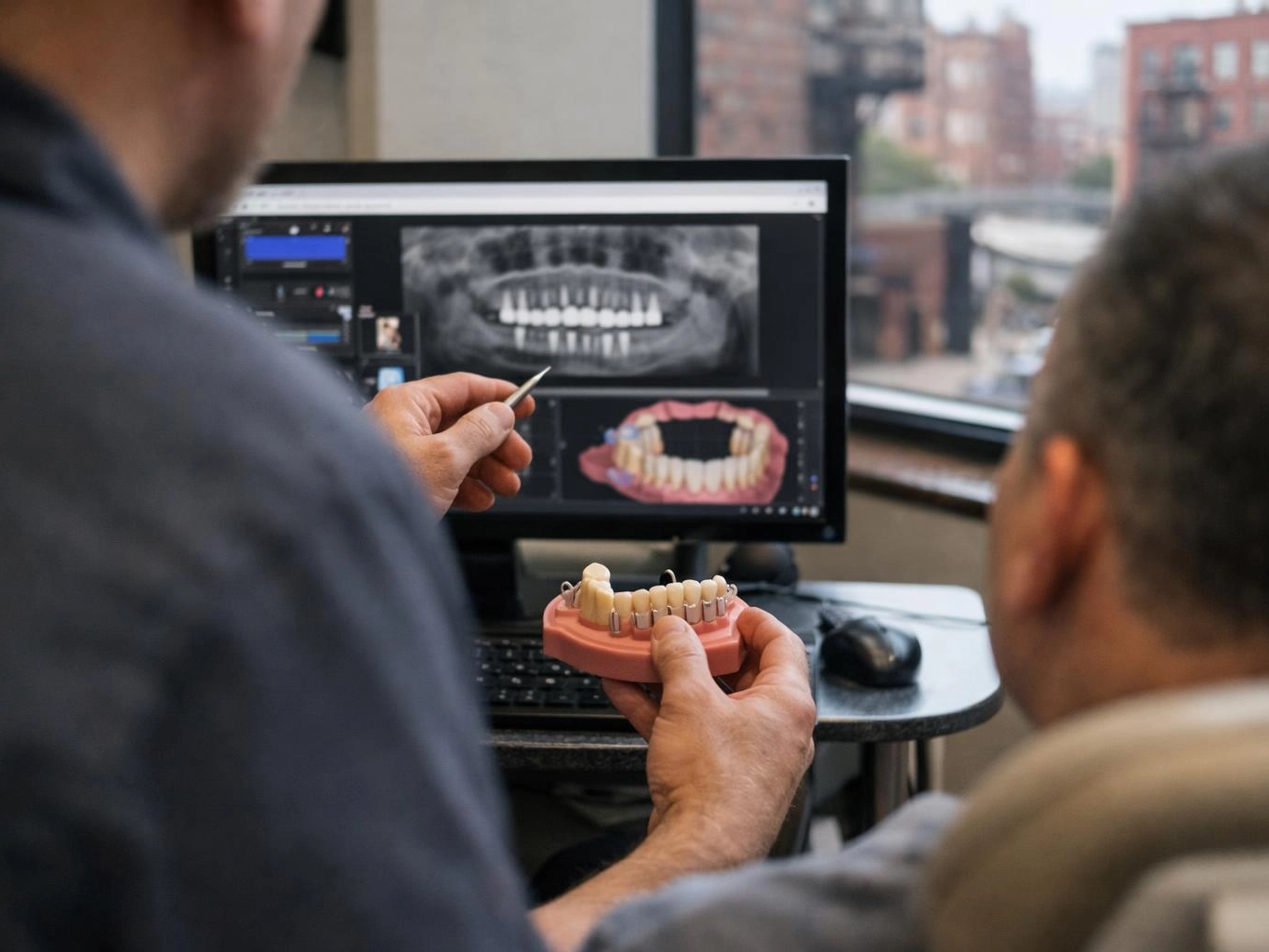
Send your dental records before you travel so the team can review your case and confirm the plan. That can cut down on surprises at the clinic. The most useful file set usually includes recent panoramic X-rays, a CBCT scan for implant planning, and clear intraoral photos that show bite, gum health, and missing teeth. Good imaging files make it easier to plan All-on-4 dental implants, veneers, or full-mouth reconstruction.
If your provider asks for more detail, send everything in one message so the chart is complete. Clear records can reduce delays and support better communication. They also make it easier to plan a safe flight home after the procedure.
What Medications and Medical Information Should You Bring?
Bring a full medical history, a current medication list, and clear notes about allergies before you fly for treatment. This helps the team check for drug interactions, sedation concerns, and bleeding risks. It matters most if you take blood thinners, manage diabetes, or have a history of swelling, infection, or slow healing.
Pack the information with your passport and travel documents so it’s easy to find. If you have a complex medical history, ask how the clinic handles sedation, antibiotics, and pain management before you leave home.
How to Pack and Travel Safely for Your Dental Trip?
Dental tourism travel is safest when you pack your records, medicines, charger, soft foods, and written instructions. Then plan your flight around the procedure type. Chicago travelers should keep essential items in carry-on luggage and know who to contact if swelling, bleeding, or pain changes during the trip. Good travel prep lowers stress and makes the return home easier.
For Chicago patients, winter weather can make airport timing hard to predict. Build extra time for road delays, baggage handling, and post-op rest. That matters even more if your treatment involved sedation, extractions, or implant placement.
Should You Buy Travel Insurance for Dental Tourism?
Travel insurance is worth considering when the trip is expensive, the treatment is staged, or you would face a large loss if plans change. It can help with trip interruption, some medical evacuation needs, and certain travel delays, but coverage exclusions are common. Read the policy carefully so you know whether dental treatment, a procedure complication, or a missed flight is actually covered.
If your case includes surgery, a long stay, or multiple follow-up appointment visits, compare policies before booking. For some patients, the clear next steps is worth the premium. It can protect the travel part of the trip, even if the procedure itself is excluded.
What to Do During Treatment and the First 48 Hours?
During treatment and the first 48 hours, follow the clinic’s instructions exactly. Rest, manage swelling, avoid smoking and alcohol, and stick to soft foods and hygiene guidance. This is especially important after implant surgery, full-arch reconstruction, or any procedure that uses sedation or needs bone healing. Careful follow-through helps protect implant healing and lowers the chance of problems after you leave the chair.
After surgery, keep your post-op kit close and do not test the area with hard or crunchy foods. If the clinic used bone grafting or sedation, your first two days should focus on rest, gentle cleaning, and calm travel plans instead of sightseeing or shopping.
How Much Recovery Time You Should Allow Before Flying Home?
Recovery time before flying depends on the procedure. Most patients need at least a short healing window after surgery, and longer after implants, grafting, or major reconstruction. Flying too soon can worsen swelling or discomfort, so the dentist should clear the return date based on your healing progress. Air travel after surgery should match the treatment level, your pain control, and any follow-up visit needs.
| Procedure type | Typical recovery window before flying | What to confirm first |
|---|---|---|
| Simple cosmetic visit | Often same day or next day if the clinic approves | Comfort, pain control, and no sedation concerns |
| Single implant placement | Usually a short healing window of several days | Swelling, bleeding, and return instructions |
| Multiple implants or grafting | Often longer than a few days | Bone healing, medication plan, and travel fit |
| Full-arch or full-mouth reconstruction | Commonly the longest recovery window | Staged visits, temporary teeth, and follow-up timing |
Most patients do best when the return trip is flexible. Chicago-based travelers should also account for weather, airport delays, and the chance that a check-in visit may be needed after they come home.
How Soon Can You Fly After Dental Implant Surgery?
After dental implant surgery, some patients can fly within a short healing period, but the exact timing depends on swelling, sedation, and whether the procedure included a sinus lift or bone grafting. If post-operative swelling is still rising, the trip home may feel much harder than expected. The dentist should clear the return date after reviewing your comfort, bleeding, and overall progress.
Simple implant cases may allow earlier air travel than complex cases, but you should not guess on your own. For sinus lift or bone grafting procedures, the clinic may want more healing time before a flight, especially if you still need help with pain management or meal planning. Follow the written guidance, not a generic travel schedule.
Red Flags That Mean You Should Contact the Clinic
Red flags after dental tourism include worsening swelling, fever, uncontrolled bleeding, foul taste or discharge, and pain that is not improving with instructions. Contact the clinic right away if symptoms get worse, because early follow-up can prevent implant failure, delayed healing, or a larger medical issue. If you’re still in transit, do not wait until you get home to report troubling changes.
If you notice any of these problems, contact the clinic right away and describe exactly when the symptoms started. Chicago patients should also keep local follow-up options in mind so a home provider can review healing if the issue continues after travel.
Frequently Asked Questions
Related Resources
How Much Do All-on-4 Dental Implants Cost in Chicago?
All-on-4 dental implants cost Chicago
What It CostsDental Implant Costs in Chicago: What a Complete Treatment Quote Includes
single dental implant cost Chicago
Compared ToFull-Mouth Reconstruction vs All-on-4: Which Treatment Fits Your Needs?
full mouth reconstruction vs All-on-4 Chicago
Compared ToDental Implants Abroad vs Chicago: Comparing Total Cost, Care, and Convenience
dental implants abroad vs Chicago cost