Full Mouth Reconstruction Process in Chicago, IL
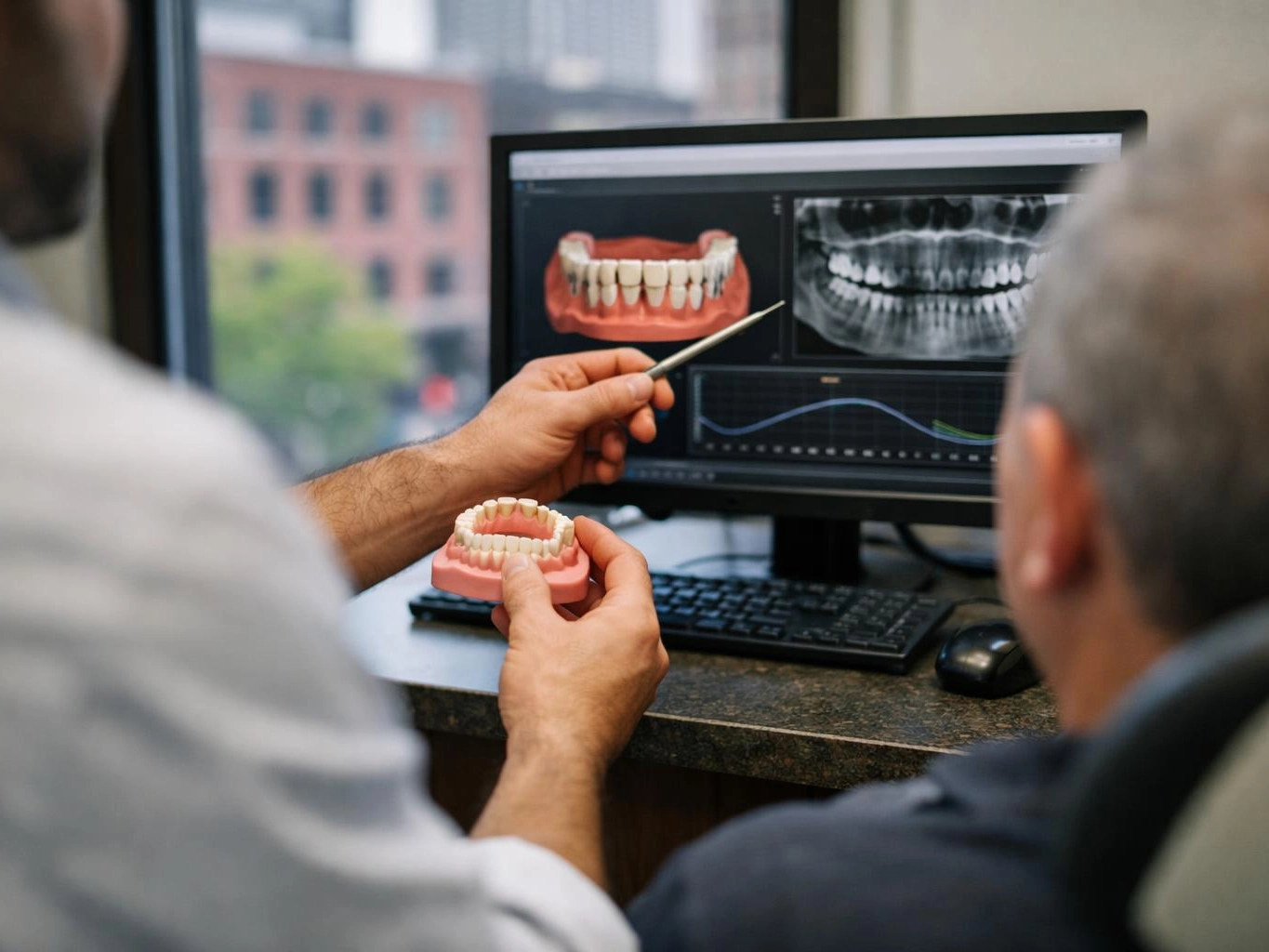
Full mouth reconstruction is a staged dental treatment process that rebuilds your teeth, bite, and oral function so you can eat, speak, and smile with confidence. In Chicago, IL, it usually starts with a consultation, records, and a treatment plan. Then it moves through restorative and surgical phases if needed. After that, recovery and maintenance help protect the result. Full mouth rehabilitation and reconstruction usually mean the same thing, and both aim to restore health and function.
What Is Full Mouth Reconstruction?
Full mouth reconstruction is a detailed dental treatment plan that rebuilds damaged, worn, or missing teeth. It also restores bite function, comfort, and appearance. It is a form of restorative dentistry and comprehensive dental care. The plan may include crowns, bridges, and implant-supported restorations. In Chicago, IL, the plan is based on records, gum health, jaw alignment needs, and prosthodontics goals. The result is better oral function, improved bite restoration, and a mouth that can handle daily use again.
This kind of care is often recommended for severe tooth wear, broken teeth, missing teeth, or a collapsed bite. It is not one single procedure. Instead, it is a coordinated path that may involve the teeth, gums, and supporting bone. Every case is different, so the treatment plan is tailored to your records, your smile goals, and the stability of your occlusion. In a busy city like Chicago, patients often compare several providers and specialty services, so multidisciplinary planning matters.
A local Chicago, IL patient consultation usually helps the team decide whether the case needs limited repair or a full-mouth reconstruction treatment plan. The consult also helps organize specialty referrals, timing, and sequencing, so care moves in the right order. That planning matters even more when restorative dentistry and surgical care need to work together.
What Are the Full Mouth Reconstruction Steps?
Full mouth reconstruction steps usually begin with an exam and diagnostics. Then they move into a personalized treatment plan, any needed preparatory care, restorative or surgical procedures, and final bite adjustment. In Chicago, IL, the sequence depends on the condition of the teeth, gums, jaw, and supporting structures. The process is planned so each phase supports the next one.
These steps are usually staged, not rushed, because each phase builds on the last. The process can be shorter when damage is limited, or longer when several systems need repair. Good planning reduces surprises and helps protect the long-term result.
How Does the Full Mouth Reconstruction Procedure Work?
The full mouth reconstruction procedure works through multiphase care, where treatment is sequenced to protect healing and improve outcomes. First, the team studies records and sets priorities. Then it completes any prep work, followed by restorative and surgical treatment in the safest order. This approach lets the bite, gums, and teeth adjust step by step.
For example, a patient may need gum treatment before crowns, or implant placement before final bridgework. Another case may need tooth rebuilding first and bite changes later. The exact path depends on how much structure is left, how the occlusion fits, and whether the jaw needs support. Multiphase care is common because it creates a stable base for the final result.
Do You Need Full Mouth Reconstruction Surgery?
You may need full mouth reconstruction surgery if bone, gums, or teeth require more than routine restorative work. Oral surgery is often considered when extractions, grafting, or dental implants are part of the plan. Not every patient needs surgery, but many complex cases do.
Surgery is usually recommended when teeth cannot be saved, when a full arch needs support, or when implant placement is the best way to restore chewing. Some people only need restorative dentistry, while others need a mix of surgery and prosthodontics. The provider will explain which steps are optional, which are necessary, and how each part affects the timeline.
How Long Does Full Mouth Reconstruction Recovery Take?
Full mouth reconstruction recovery time depends on how many procedures are involved and whether surgery is part of the plan. Simple restorative phases heal faster. Implant or surgical phases take longer and may need staged follow-up. In Chicago, IL, the timeline is customized to your case and treatment sequence.
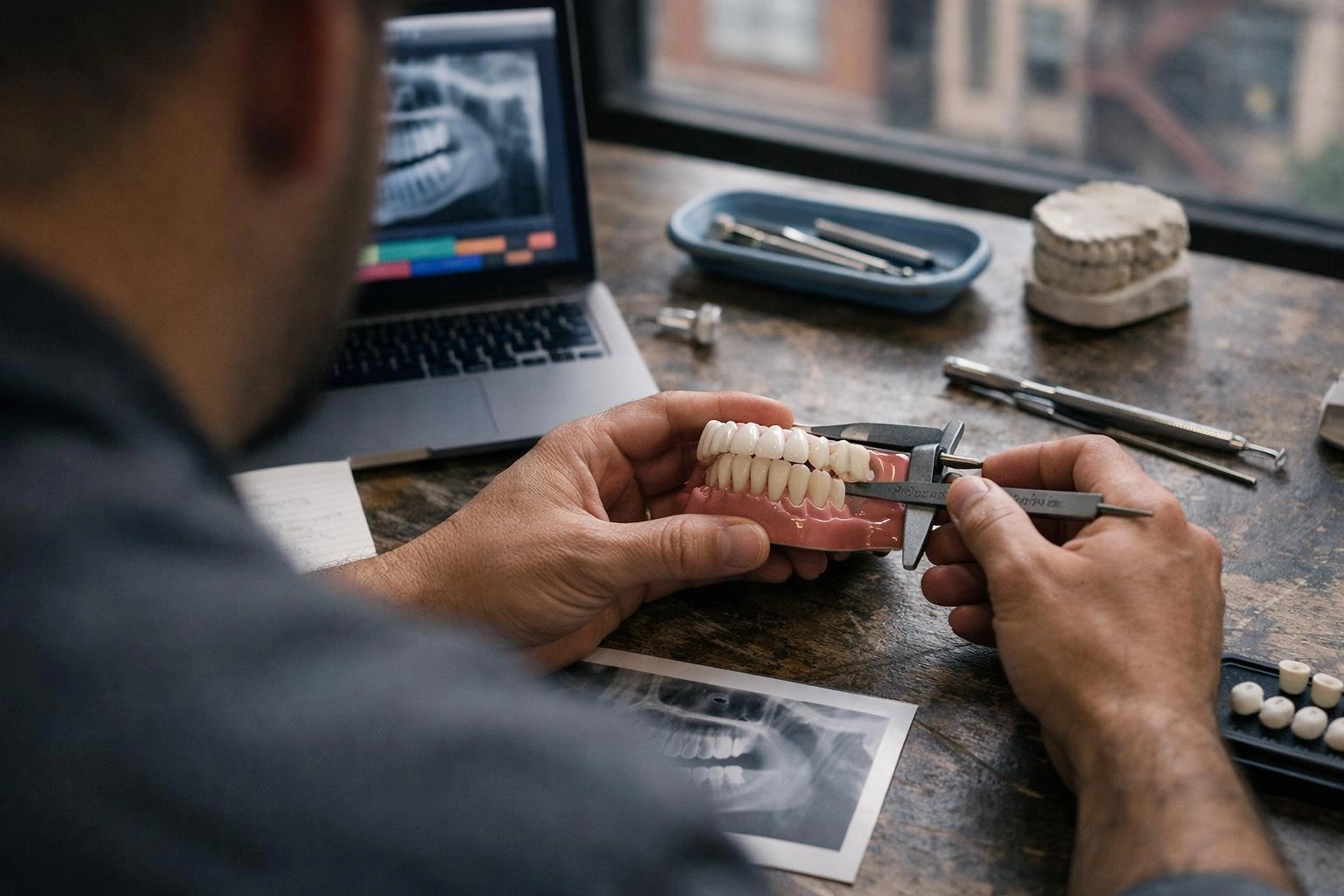
Recovery happens in healing phases. Early healing may take only a short time after basic dental work, but deeper healing after implants or oral surgery can take weeks or months before final loading. Follow-up appointments are used to monitor gum health, confirm stability, and make bite adjustment changes if needed. Weather and travel can also matter here. Chicago winters can make follow-up visits and staged healing logistics harder, so the treatment plan should account for seasonal scheduling and patient travel time.
Good recovery also depends on maintenance. That means home care, professional checks, and clear instructions about chewing, cleaning, and protecting temporary restorations. The goal is to let each phase settle before the next one begins.
| Recovery factor | Typical experience | What it affects |
|---|---|---|
| Simple restorative care | Usually heals fastest, with limited downtime | Comfort, eating, and short-term follow-up care |
| Implant placement | Needs a longer healing phase before final restoration | Bone integration, stability, and timing of implant-supported restorations |
| Oral surgery plus restoration | Often the longest path because steps are staged | Sequencing, follow-up appointments, and final bite adjustment |
Typical Timeline by Case Size
Case size changes the schedule because treatment sequencing gets more complex as the number of teeth, arches, and procedures increases. Small cases may involve a few visits. Average cases often need several phases. Large cases can stretch longer because implants, healing phase checks, and final restoration are all staged carefully.
| Case size | Typical duration | Common features |
|---|---|---|
| Small case | A few visits over several weeks | Limited restorative dentistry, minor bite reconstruction, short maintenance phase |
| Average case | Several months, often with phased care | Crowns and bridges, prep work, follow-up care, and possible implant placement |
| Large case | Many months to longer, depending on healing | Oral surgery, full arch treatment, implant-supported restorations, and repeated adjustments |
What Is the Difference Between Full Mouth Rehabilitation and Reconstruction?
Full mouth rehabilitation and full mouth reconstruction usually mean the same thing. Both describe a comprehensive plan to restore your mouth’s health and function so you can eat, speak, and smile with confidence. In Chicago, IL, the wording may vary by provider, but the treatment goal is the same.
Some clinicians prefer one phrase over the Other, but patients should focus on the actual plan rather than the label. If the care includes diagnostic imaging, restorative dentistry, oral surgery, or implant-supported restorations, the core idea is still comprehensive dental reconstruction. The important question is how the plan rebuilds oral function, occlusion, and long-term stability.
Frequently Asked Questions
Related Resources
Full Mouth Reconstruction Checklist Before Treatment
What Goes With ItDental Tourism for Full-Mouth Reconstruction
full mouth reconstruction in mexico
Compared ToBest Options for Replacing All Your Teeth
what is the best option for replacing all your teeth
What It CostsFull Mouth Reconstruction Cost