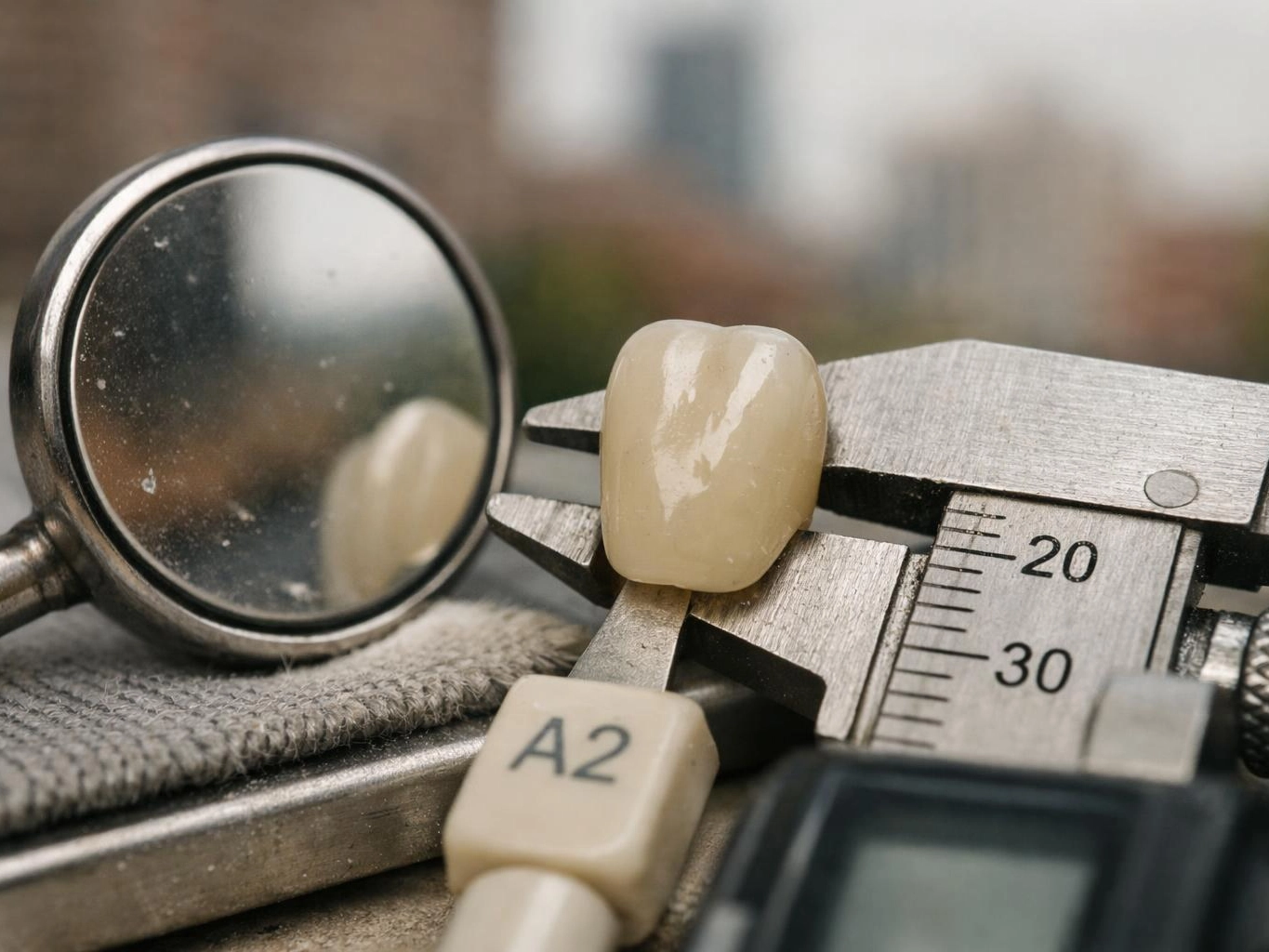
Porcelain Veneers in Mexico for Chicago Smile Makeovers
Porcelain veneers in Mexico can be a cost-effective option for Chicago patients seeking a smile makeover, but you should compare treatment planning, veneer materials, and follow-up care before booking. The best choice depends on case complexity, travel timing, and whether your provider coordinates aftercare in Chicago.
Why Chicago Patients Consider Porcelain Veneers in Mexico?
Porcelain veneers in Mexico are often considered by Chicago patients because dental tourism can pair lower treatment costs with full cosmetic planning. For smile makeover cases, the main goal is matching the provider’s design, materials, and follow-up process to your goals, timeline, and travel needs.
For many people in Chicago, IL, price gets their attention first, but the choice goes far beyond a quote. A well-run trip can combine cosmetic dentistry, digital planning, and a careful veneer process. Still, the real value depends on how the practice handles consults, fit checks, and aftercare. Travelers should also look at whether the office gives smile design input, uses dependable lab support, and shares clear instructions for follow-up care after you get home. That matters even more when winter travel makes return visits hard to schedule. In a cross-border case, a lower base fee can disappear if you need extra flights, hotel nights, or more adjustments. The best fit usually balances looks, logistics, and ongoing care instead of cost alone.
When You Need Veneers and a Smile Makeover Together?
Porcelain veneers and smile makeovers belong together when one cosmetic fix is not enough. If you need multiple teeth improved, matched shade work, bite checks, or a wider design change, combining treatment helps create a more even and predictable result.
Scenarios Where Both Services Make Sense
What to Compare Before Booking in Mexico?
Before booking porcelain veneers in Mexico, compare the provider’s diagnostic process, veneer material options, before-and-after cases, and what happens if adjustments are needed after you return to Chicago. Strong planning cuts remake risk, shade mismatch, and cross-border communication problems.
| What to compare | Why it matters | What good planning looks like |
|---|---|---|
| Ceramic material | Different ceramics vary in strength, translucency, and polish. | The clinic explains which ceramic material fits your bite and goals. |
| Lab quality | The lab shapes fit, edge detail, and overall realism. | You can review examples and understand how the lab supports the case. |
| Clinical photos | Real cases show consistency in color, symmetry, and finish. | The provider shares clear, unfiltered before-and-after records. |
| Treatment plan | A good plan defines teeth count, shade goals, and timing. | You receive a step-by-step plan with diagnostics, prep, and review points. |
| Aftercare | Support after travel helps address small issues quickly. | The office explains how aftercare works once you are back in Chicago, IL. |
Look closely at how the practice handles smile design, shade matching, and the handoff from planning to final delivery. If a clinic cannot explain tooth preparation choices, temporary restorations, or revision steps in plain language, that is a warning sign. Ask whether the lab is local or outside the office, whether the team uses digital scans or standard impressions, and whether any follow-up care can be coordinated with a dentist at home. Cross-border cases often fall apart when one office expects the traveler to solve problems alone. For Chicago patients, the real question is not only “Can I save money?” but “Will this still work after I fly home, especially if I need a touch-up, a repaired edge, or help matching a nearby tooth?”
How the Process Works for Chicago Travelers?
The porcelain veneer travel process usually starts with a virtual or in-person consult, followed by case planning, travel dates, tooth preparation, temporary restorations if needed, and final placement. Chicago patients should plan enough time for diagnostics, fit checks, and a return plan for any touch-ups.
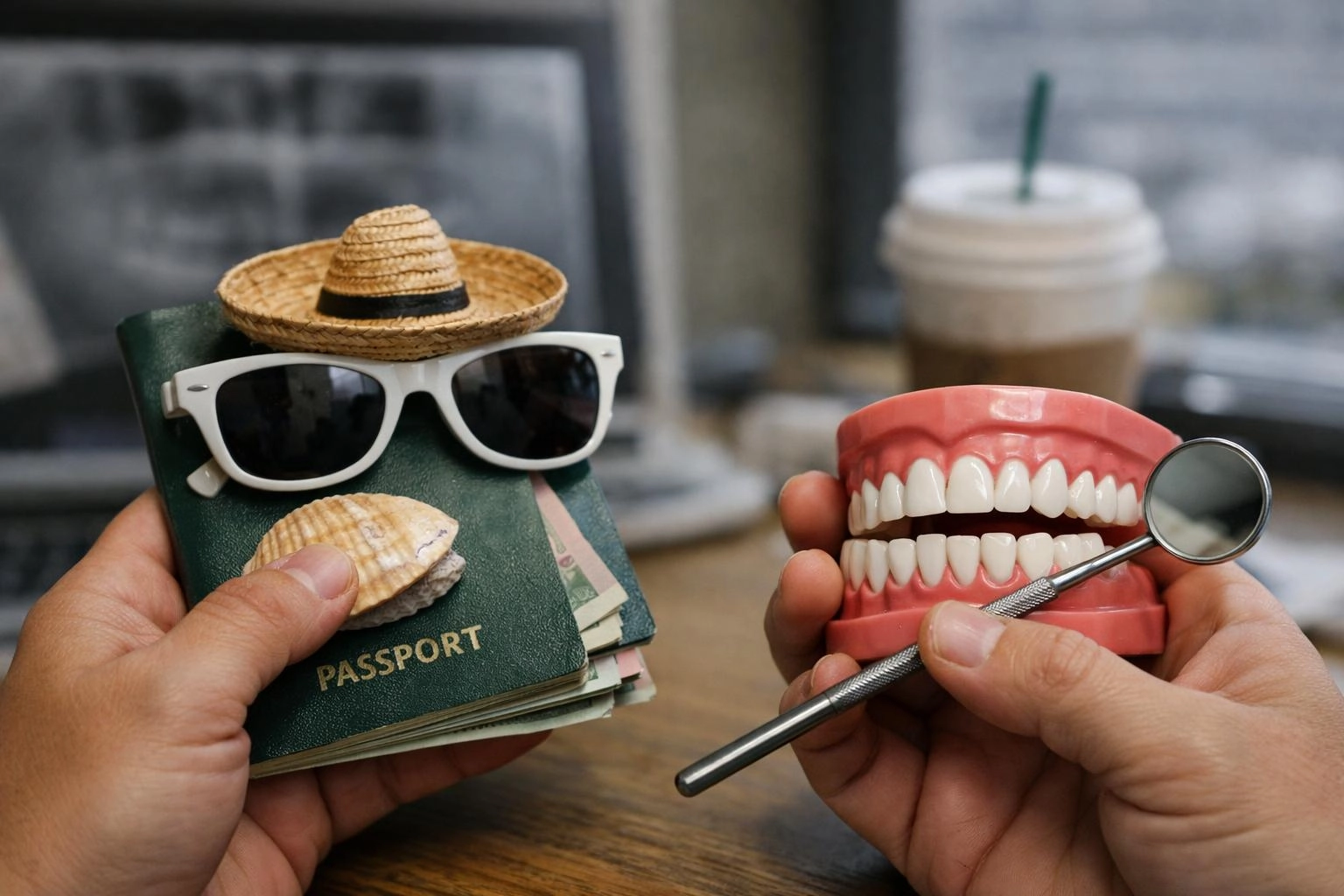
For a traveler leaving Chicago, IL, logistics matter as much as the procedure itself. If winter weather disrupts flights, a flexible schedule becomes important, and the office should explain how temporary veneers are handled if the trip runs long. Many cases need at least one verification visit before bonding, especially when several front teeth are involved. Ask whether the clinic can adjust the plan if shade matching needs a small change or if your bite needs another check. A smooth process usually depends on clear timing, written instructions, and a realistic healing window before you fly back.
Questions to Ask Before You Fly
Recovery, Maintenance, and Follow-Up After Veneers
After porcelain veneers, patients need careful hygiene, bite protection if recommended, and a follow-up plan for sensitivity or minor adjustments. Chicago-based follow-up matters because a dental tourism case works best when the original provider and your local care routine both support long-term maintenance.
Most patients do well when they keep up with oral hygiene, avoid chewing hard items with the front teeth, and follow any polishing or monitoring instructions. A night guard may be recommended if you clench or grind, since porcelain edges can take stress from repeated pressure. Mild sensitivity is common after tooth preparation, especially during the first days, but it should be discussed if it lasts. In practical terms, a Chicago patient should know exactly who to call for follow-up care, whether the provider offers remote review, and how a local dentist can help if a margin feels rough or a bite point needs smoothing. That continuity matters more when travel is difficult, because returning for every small issue is not always realistic.
Good maintenance also means protecting the smile from habits that shorten the life of ceramic veneers, like nail biting or using teeth as tools. Routine cleanings, careful flossing, and regular checkups help the veneers and the gums stay healthy. If your case includes temporary veneers before final bonding, follow the home-care directions closely so the provisional material stays stable until placement.
Is Mexico the Right Choice for Your Chicago Smile Makeover?
Mexico can be the right choice for a Chicago smile makeover if your case is cosmetic, your schedule allows travel, and you understand how follow-up will work after treatment. Complex bite problems, major gum issues, or uncertain aftercare can make local continuity more important than travel savings.
For some urban patients, the choice is simple because dental veneers abroad fit a clear cosmetic goal and the savings stay meaningful after travel costs. For others, especially those comparing many cosmetic dentistry options in a wide price range, the safer path is the one that keeps regular access to the same team. If your smile design is simple, your bite is stable, and the clinic offers a strong handoff plan, dental tourism can be practical. If not, a local provider may be better because convenience and continuity can outweigh a lower upfront quote.