Porcelain Veneers vs Composite Veneers in Chicago
Porcelain veneers usually last longer, resist stains better, and create a more natural-looking smile. Composite veneers cost less, can often be done faster, and are easier to repair. In Chicago, IL, porcelain is usually the better long-term choice for patients who want durability and a premium look. Composite is the budget-friendly option for small cosmetic changes or a shorter fix. Your bite, enamel, goals, and upkeep needs all help decide the best choice.
Porcelain Veneers vs Composite Veneers: Which One Is Better for Your Smile?
Porcelain veneers are better for durability, stain resistance, and a natural look. Composite veneers are better for lower upfront cost and faster treatment. In Chicago, IL, the best choice depends on whether you want a long-term smile investment or a quicker cosmetic fix.
Porcelain is a ceramic veneer option that reflects light well. That helps it mimic natural enamel with strong translucency and shade matching. Composite resin is placed directly on the teeth and shaped chairside with bonding agent. That makes it useful for small changes, minor chips, and front-tooth veneers that do not need full coverage.
In Chicago cosmetic dentistry, people often compare these treatments during teeth whitening, smile design, or gum contouring visits. If you want a smile makeover that stays steady through coffee, tea, and red wine, porcelain is usually the stronger long-term pick. If you need a faster repair with less cost, composite can be a smart short-term step.
Porcelain Veneers vs Composite Veneers at a Glance
Porcelain veneers typically cost more, take longer to complete, and need replacement less often. Composite veneers are cheaper, faster, and easier to repair, but they usually need more upkeep. This comparison helps Chicago patients match treatment to budget, timeline, and cosmetic goals.
| Factor | Option A | Option B |
|---|---|---|
| Cost | Porcelain veneers usually have the higher upfront cost because they are lab-made and custom shaded. | Composite veneers usually cost less because they are placed directly with composite resin in fewer steps. |
| Timeline | Porcelain often takes multiple visits for tooth prep, impressions, and final bonding. | Composite can often be completed faster, sometimes in one visit, depending on the smile plan. |
| Maintenance | Porcelain usually needs less frequent repair and keeps its shade longer with normal care. | Composite may need polishing, touch-ups, or repair more often because it can stain more easily. |
| Best-for | Best for patients who want a premium, durable, long-term smile change. | Best for patients who want a lower-cost cosmetic upgrade or a quicker fix. |
Typical treatment costs and timelines vary by case, but most porcelain cases involve more visits than composite work. In a busy city like Chicago, that can matter a lot. Many patients want fewer follow-up appointments and less downtime.
Pros and Cons of Porcelain Veneers and Composite Veneers
Porcelain veneers offer stronger stain resistance, better translucency, and a longer lifespan, But they cost more and often need more enamel prep. Composite veneers are more affordable and repairable, but they stain more easily and usually do not last as long as porcelain.
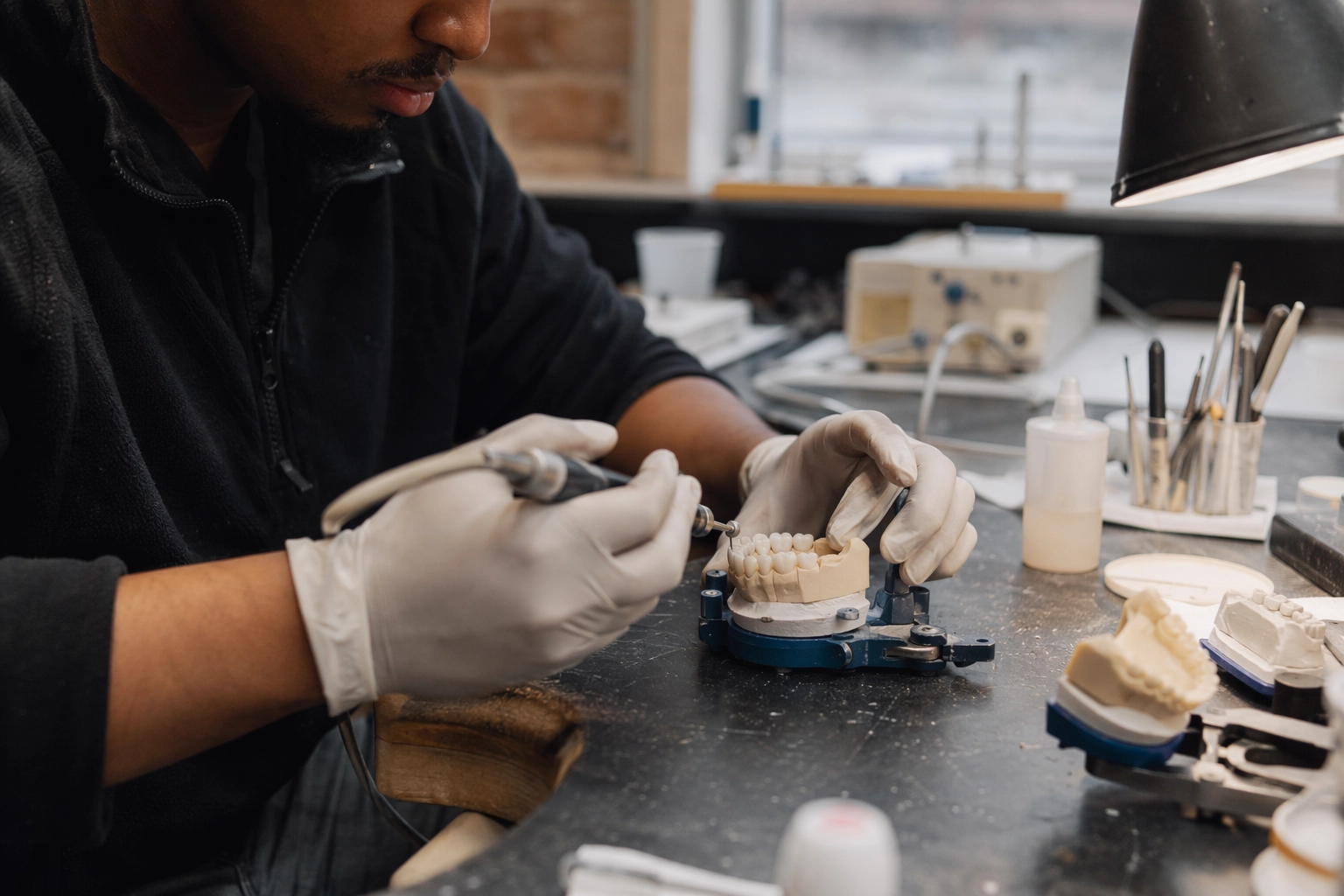
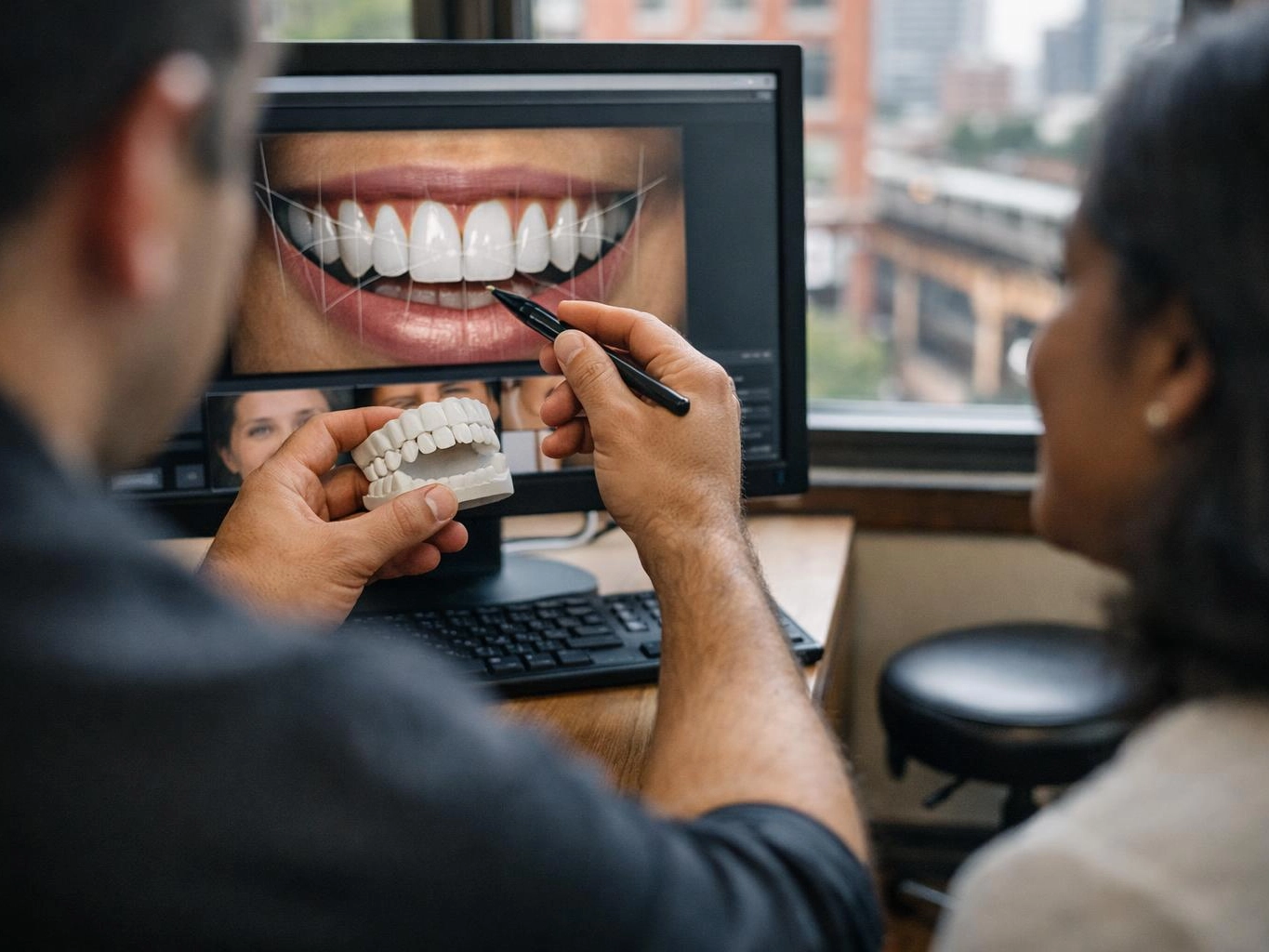
Here is the tradeoff most patients notice during smile design: porcelain gives a more refined result, while composite gives more flexibility and less commitment. The right answer depends on your bite, how much enamel can be safely shaped, and whether you want a long-term or temporary change.
Porcelain Veneers: Pros
Porcelain Veneers: Cons
Composite Veneers: Pros
Composite Veneers: Cons
For patients in Chicago, seasonal temperature swings can shape the choice too. Some people want the speed of a shorter composite visit before winter travel. Others prefer the long-term stability of porcelain and fewer repeat appointments.
When Porcelain Veneers Make More Sense Than Composite Bonding?
Porcelain veneers vs composite bonding usually comes down to how permanent you want the result to feel. Porcelain veneers make more sense when you want a more durable result, stronger stain resistance, and a refined front-tooth finish. For Chicago patients with long-term cosmetic goals, porcelain is usually the better choice when the smile design must stay steady over time.
Composite bonding can be a good match for small chips, narrow gaps, or one or two front teeth that need subtle shaping, But if you want broader cosmetic longevity, porcelain tends to hold color and surface polish better. That matters when the plan includes multiple teeth, bite checks, or a full smile makeover.
Porcelain also gives the doctor more control over surface texture and shade depth. If your enamel thickness is limited, the exam must be careful. Too little enamel can affect bonding strength and final fit. In those cases, a careful cosmetic dentistry plan may recommend minimal prep veneers, or it may point toward another restoration entirely.
How Veneers Compare with Crowns, Implants, Lumineers, Emax, and Zirconia Crowns?
Porcelain veneers are a cosmetic, tooth-preserving solution, while crowns and implants are restorative solutions used when a tooth is damaged, weakened, or missing. Lumineers are a thinner veneer option, Emax is a ceramic material often chosen for veneers, and zirconia crowns are stronger full-coverage restorations than veneers.
Chicago patients often expect these treatments to work the same way, but they do not. A dental crown, dental implant, and veneer each solve a different problem. The best choice depends on tooth structure, missing teeth, bite forces, and how much full coverage the tooth really needs.
| Treatment | What it is | Best use |
|---|---|---|
| Porcelain veneers vs crowns | Veneers cover the front of the tooth; crowns cover the entire tooth. | Veneers suit cosmetic front-teeth changes; crowns suit teeth with more structural damage. |
| Porcelain veneers vs implants | Veneers improve existing teeth; implants replace missing teeth with a root and restoration. | Use veneers for cosmetic correction and implants for tooth replacement. |
| Porcelain veneers vs Lumineers | Lumineers are a thinner style of veneer that may need less enamel shaping. | Use when minimal prep is possible and the bite is favorable. |
| Porcelain veneers vs Emax | Emax is a high-strength ceramic often used to make very aesthetic veneers. | Use when strength and natural-looking ceramic optics both matter. |
| Porcelain veneers vs zirconia crowns | Zirconia crowns are stronger full-coverage restorations than veneers. | Use when the tooth needs more support than a veneer can provide. |
Porcelain Veneers vs Crowns
Porcelain veneers cover only the front surface of a tooth, while crowns cover the whole tooth and are used when more strength or support is needed. Chicago patients usually choose crowns for badly damaged teeth and veneers for cosmetic correction of front teeth. If the tooth structure is already weak, a crown is often safer than a thinner ceramic veneer.
Porcelain Veneers vs Implants
Porcelain veneers improve the appearance of existing teeth, while dental implants replace missing teeth with a new tooth root and restoration. If a tooth is missing, an implant is the right solution. If the tooth is there but looks flawed, veneers are the better choice. That difference matters in multi-tooth smile makeover plans, especially when one area needs replacement and another only needs cosmetic work.
Porcelain Veneers vs Lumineers, Emax, and Zirconia Crowns
If your tooth is worn, cracked, or missing, the conversation should shift toward a dental crown or dental implant instead of asking a veneer to do a job it was not built for.
Frequently Asked Questions
Related Resources
Dental Implants Checklist Before Full-Arch Treatment
dental implants checklist before full arch treatment
What's RequiredFull Mouth Reconstruction Checklist Before Treatment
What Goes With ItDental Tourism and Dental Implants in Mexico
dental tourism for dental implants in mexico
What Goes With ItDental Tourism for Porcelain Veneers and Smile Makeovers
porcelain veneers in mexico