Zirconia Crowns in Mexico for Chicago Dental Tourists
Zirconia crowns in Mexico help Chicago patients pair affordable dental tourism with strong, metal-free crowns and bridges. They’re a good fit for full-mouth restoration, broken teeth, and multi-unit cases when you need quality materials, planned travel, and a faster treatment timeline.
Zirconia crowns in Mexico give Chicago patients a way to lower total treatment costs, get metal-free restoration, and coordinate travel for crowns and bridges. The best cases often involve patients who need several restorations, want lasting results, and can finish care in one planned trip or a few staged visits.
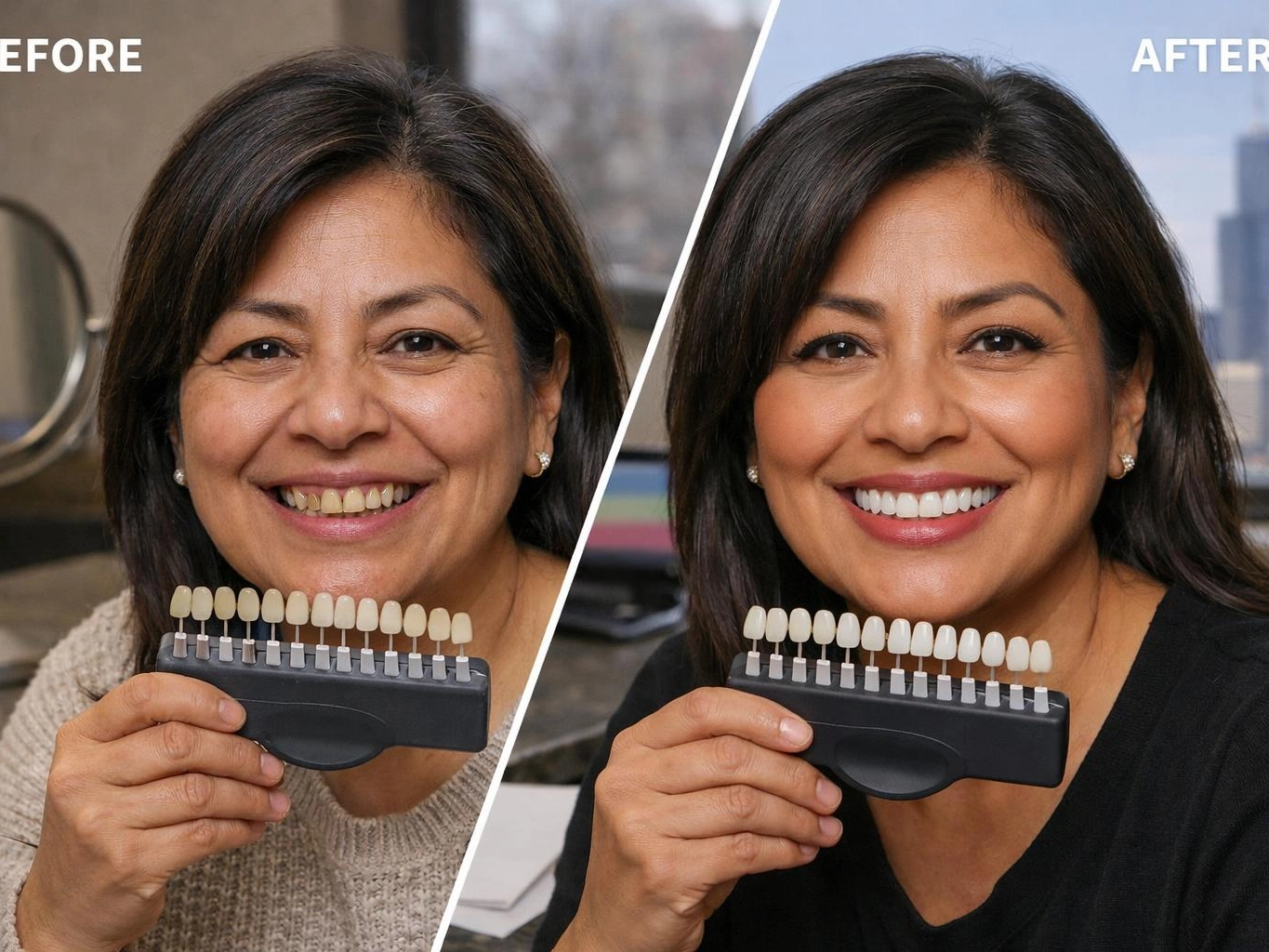
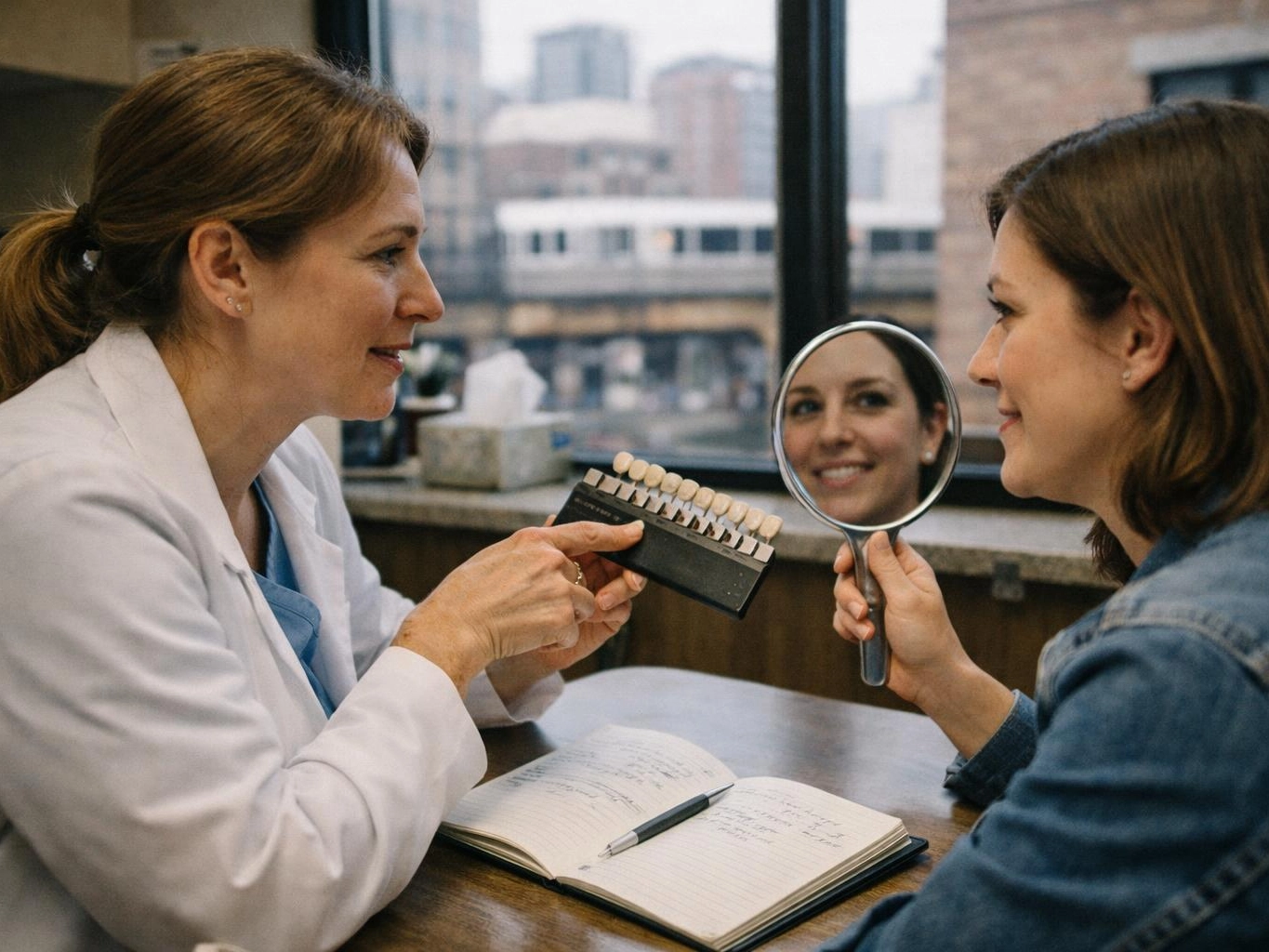
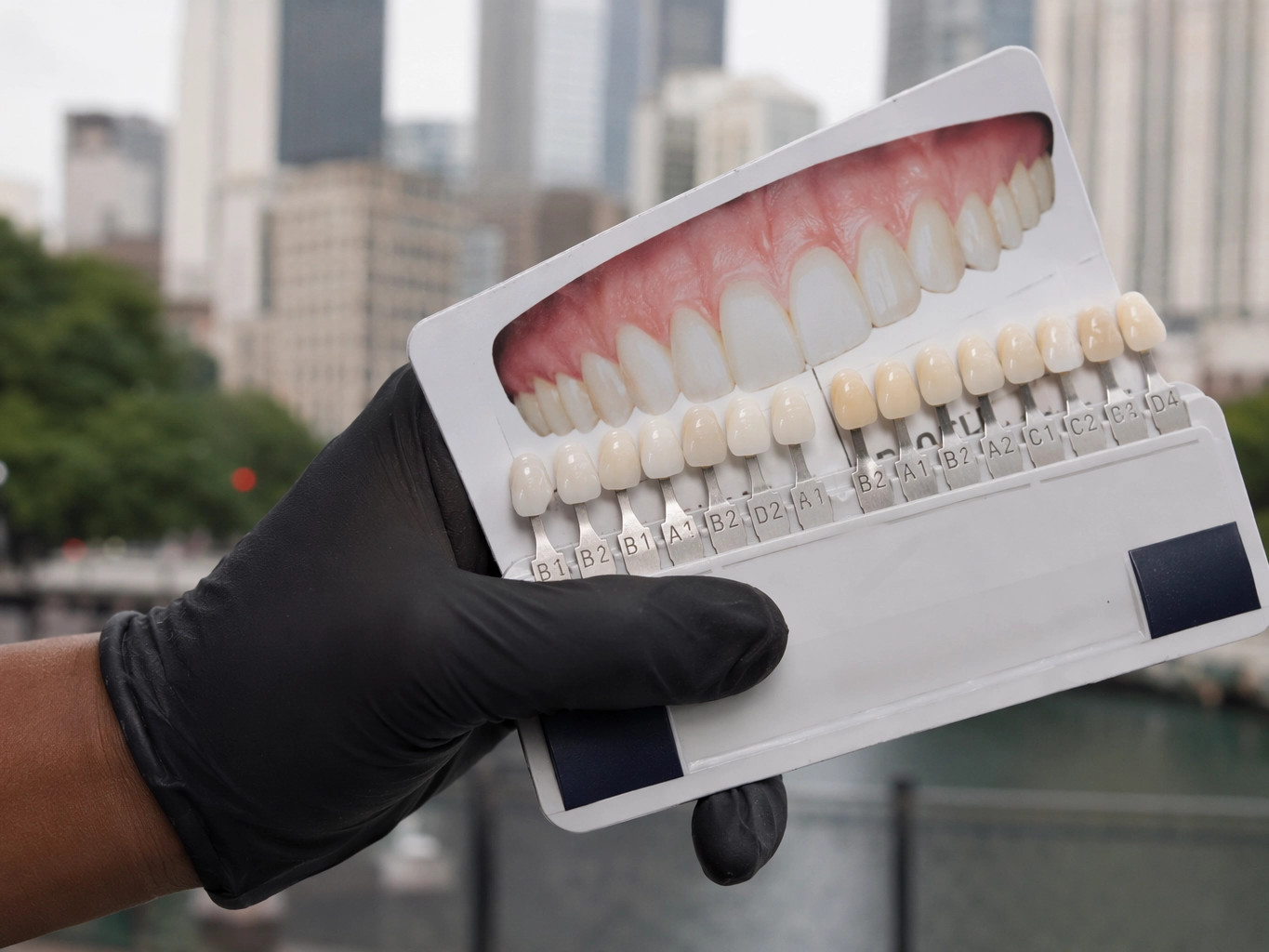
For many travelers, the draw isn’t just price. It’s also the chance to plan a zirconia crown case with shade matching, digital records, and a clear schedule for an all-ceramic restoration. That matters when you’re balancing work, winter weather at home, and the limits of follow-up after you return.
Chicago dental tourism works best when you compare the dentist’s workflow, the lab’s standards, and how the clinic handles bridge treatment. A strong plan can include crown length, bite checks, and support for a dental bridge if nearby teeth need to hold a replacement span.
Why Chicago Patients Choose Zirconia Crowns in Mexico?
Zirconia crowns in Mexico give Chicago patients a practical way to lower total treatment cost while keeping a metal-free look and strong function. For people comparing Mexico dental care with local options, the biggest value is often a full plan that covers diagnostics, tooth preparation, and bridge treatment without stretching care over many months.
This approach helps most when you need several restorations at once. A clinic that uses CAD/CAM milling can often speed up design and fabrication, while a prosthodontist or experienced restorative dentist can align crowns, bridges, and bite fit so the result feels stable. That helps with broken teeth, worn enamel, and multi-unit work.
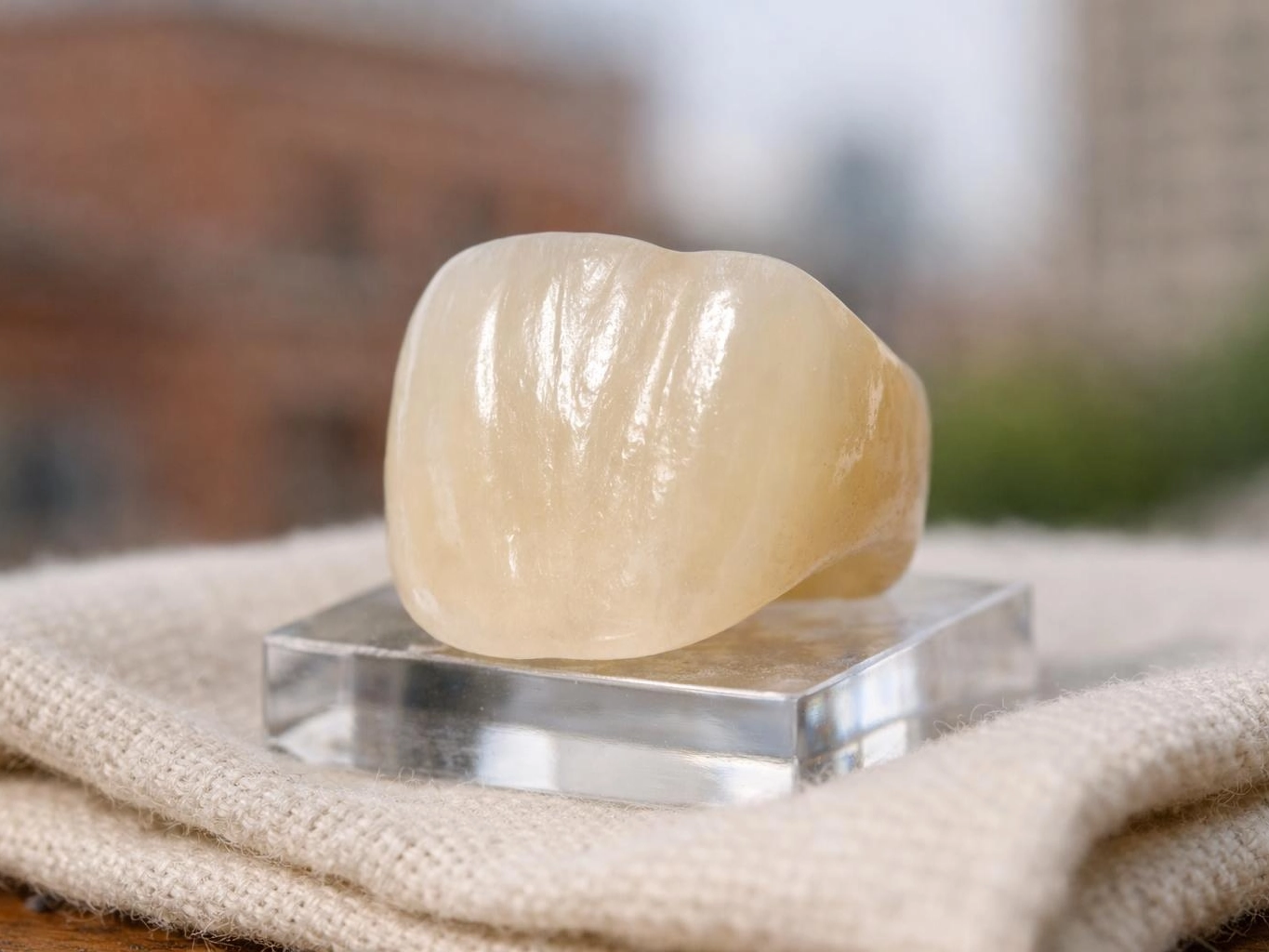
Many patients also like the predictability of full-contour zirconia because it’s strong, esthetic, and works well for back teeth. When the treatment plan includes a ceramic crown or another zirconia restoration, the clinic can often shade match the restoration to nearby teeth and lower the chance of visible metal. The best cases are ones where travel is already part of the plan, so the patient can get coordinated care in one focused trip or a small number of staged visits.
When Crowns and Bridges Make the Most Sense Together?
Zirconia crowns and bridges make the most sense together when one tooth needs protection and the nearby teeth can support a replacement tooth or span. This is common for patients with cracked teeth, heavily filled teeth, missing premolars or molars, and cases where one combined plan saves time and travel.
Common Situations That Call for Both Services
What to Expect from a Mexico Treatment Plan?
Zirconia crowns in Mexico usually start with a consultation, imaging, and a plan that maps out tooth preparation, temporary restorations, and final cementation. For Chicago travelers, the key question is whether the crown or bridge can be finished in one visit or needs staged care with a return appointment.
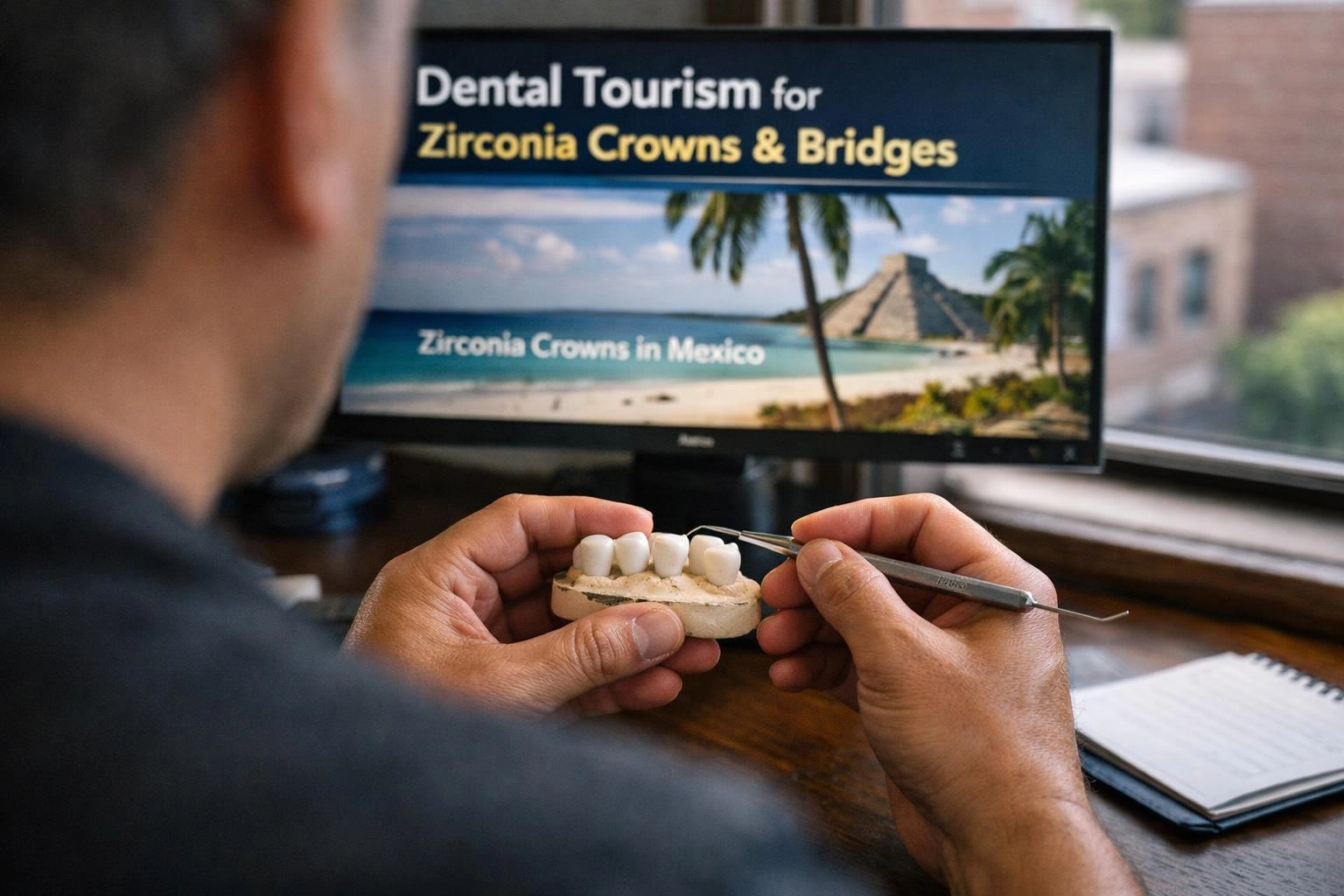
Chicago patients should also plan for flight timing and local weather. Winter delays can make a rushed return trip risky, especially if bridge work needs a small refinement after placement. A good treatment plan leaves room for one more look if the bite needs adjustment or if the temporary restorations need extra monitoring before final delivery.
Typical Steps from Consultation to Final Placement
How Chicago Travelers Should Compare Providers?
Chicago travelers should compare providers by zirconia material quality, diagnostic workflow, dentist credentials, and communication before booking dental tourism. The strongest clinics show clear treatment planning, digital records, bridge design skill, and follow-up support so the restoration fits well after travel.
Look for signs that the clinic can handle CAD/CAM dentistry, from scan capture to in-house or partner laboratory quality. Ask whether a prosthodontist is involved for complex bridge work, whether the clinic offers all-ceramic crowns, and how they manage contour, contacts, and shade matching. These details matter more than marketing language.
It also helps to compare how the office handles communication after you return home. A provider that offers clear records, photos, and a plan for minor bite refinement is usually better prepared for travel-based restorative dentistry than a clinic that only focuses on the day of placement.
| What to compare | What strong providers usually show | Why it matters |
|---|---|---|
| CAD/CAM dentistry | Digital scans, design workflow, and consistent crown fabrication | Improves fit and can shorten chair time |
| Prosthodontist oversight | Complex bite planning and multi-tooth reconstruction | Useful for bridge cases and full-mouth restoration |
| All-ceramic crowns | Material options, shade matching, and esthetic planning | Supports a natural look without metal |
| Laboratory quality | Clear fabrication standards and remake policies | Helps reduce remakes and post-travel problems |
Questions to Ask Before You Book
How to Plan Travel from Chicago for Crown and Bridge Work?
Zirconia crowns in Mexico are easier to manage when Chicago patients build in extra travel time for flight logistics, hotel stays, and follow-up appointment timing. Bridge work and bite refinement can take longer than one chair visit, so a flexible trip lowers stress if the dentist needs one more adjustment before final cementation.
Plan around winter weather in Chicago because storms and airport delays can affect both departure and return. Bring digital records, current medication information, and a written treatment summary so the clinic can review everything quickly. For multi-unit cases, a temporary crown or temporary restorations may be essential if the trip has to be split into stages.
A practical travel plan includes a nearby hotel stay, a return option if the final fit needs refinement, and enough room in your schedule for a second evaluation. This matters most for bridge cases because bite fit, shade matching, and margin checks are harder to rush when you’re flying back the same day.