All-on-4 Dental Implants in Mexico for Chicago Patients
All-on-4 dental implants in Mexico can give Chicago patients a lower-cost path to a full-arch smile. Success depends on careful planning, travel timing, and follow-up care. DentalTourismChicago.com helps patients compare clinics, coordinate care, and travel safely for treatment.
All-on-4 dental implants in Mexico are a full-arch tooth replacement option. They use four carefully placed implants to support a fixed prosthesis. For Chicago patients, the draw is lower treatment costs and organized dental tourism. Still, the best results depend on candidacy, clinic quality, and follow-up planning.
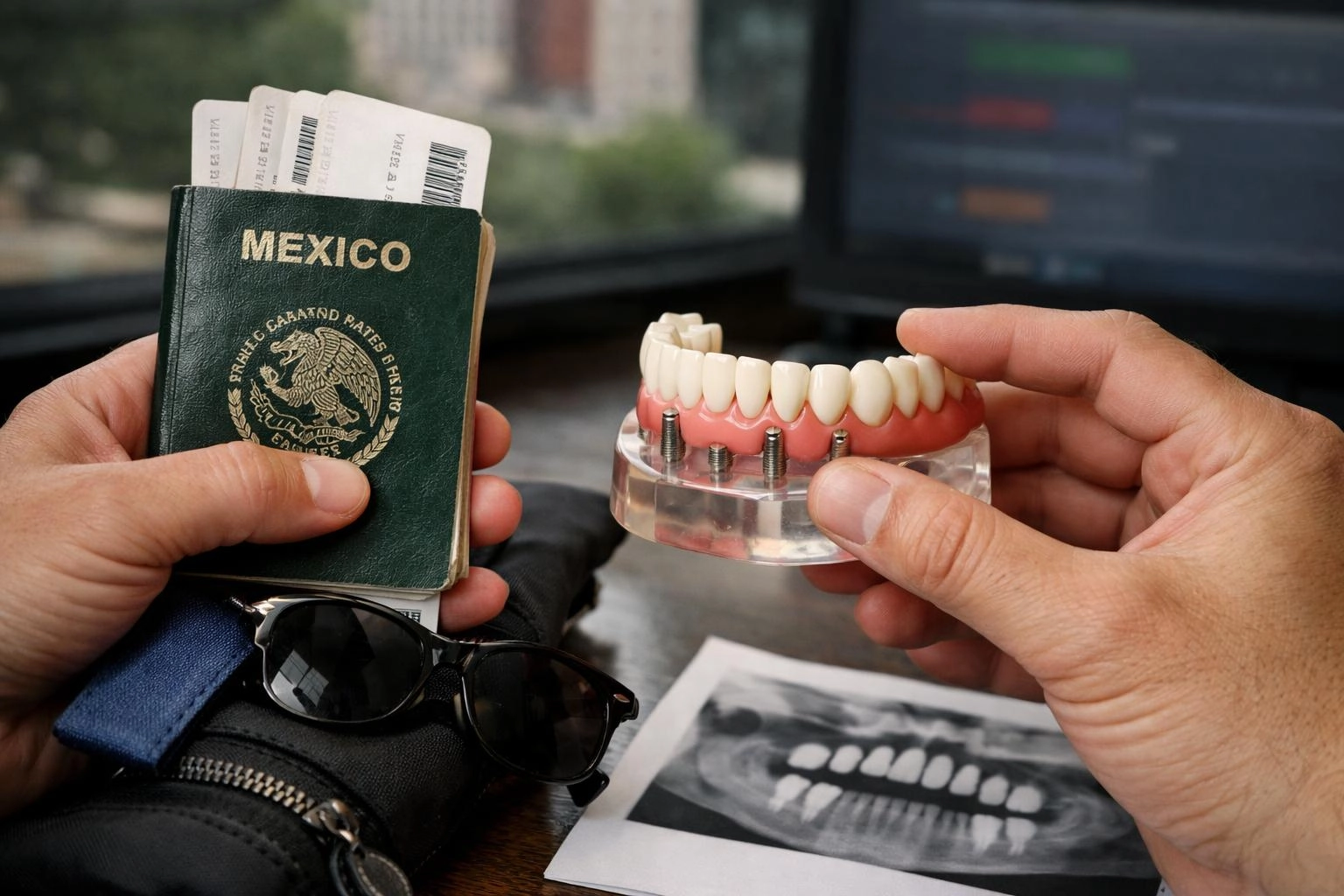
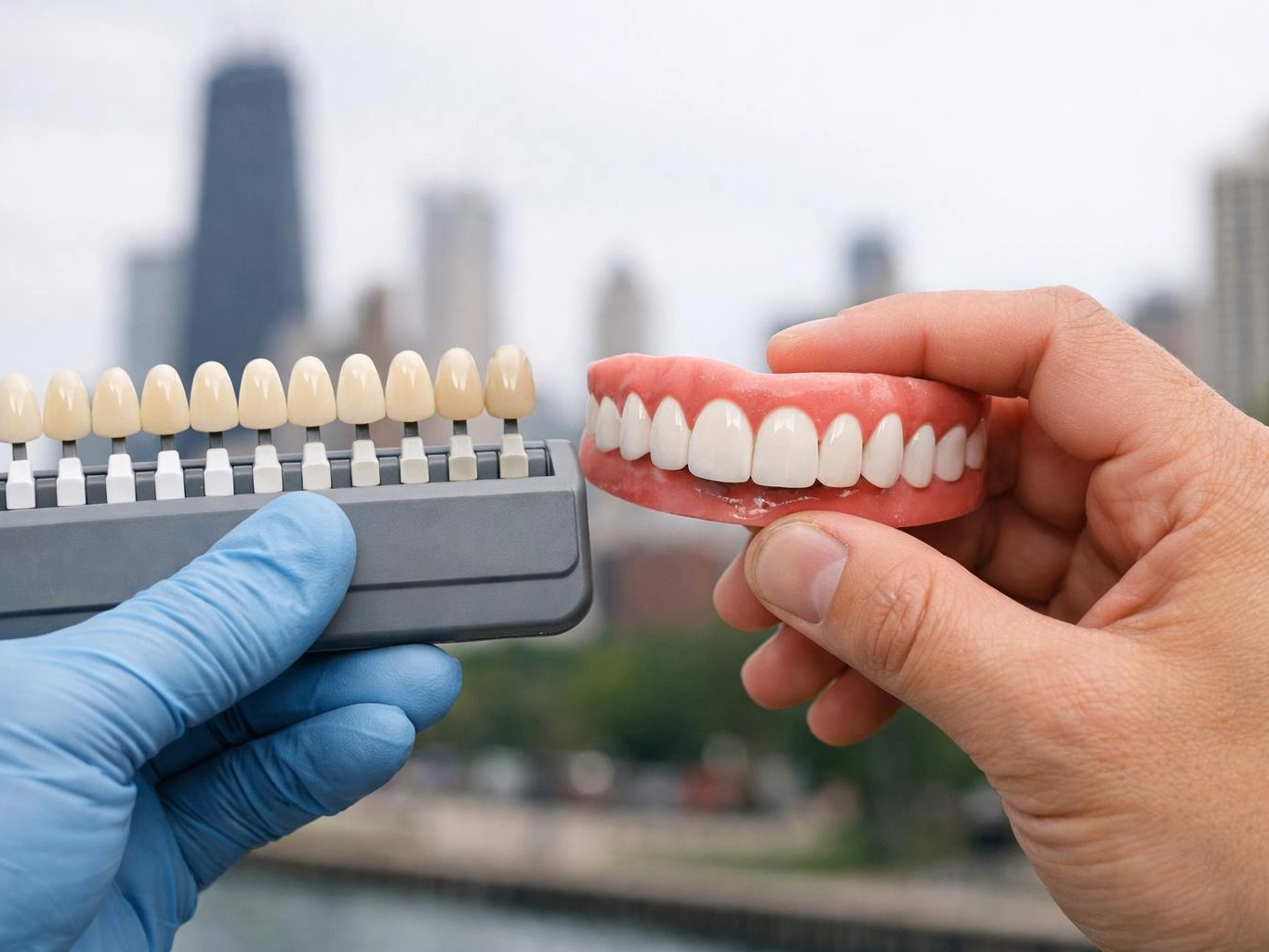
This approach is a type of dental implant treatment and a broader tooth replacement plan. It is often paired with prosthetic rehabilitation after tooth loss. It can work as an implant-supported bridge with a temporary prosthesis during healing, then a final full-arch restoration later.
Clinics may also discuss related options such as All-on-4 full-arch implants, All-on-6 implants, or an immediate-load implant prosthesis. The right choice depends on bone support, bite forces, and the prosthodontic treatment plan. Diagnostic imaging, oral surgery planning, and osseointegration goals guide that choice.
For Chicago patients, price is only part of the decision. The trip, records, and return care all matter too. A careful CBCT scan review, clear oral surgery sequencing, and a realistic local follow-up plan help prevent rushed treatment.
Dental tourism makes sense when a Chicago patient needs coordinated full-arch treatment. It also helps when travel for staged appointments is possible. Many patients want a lower-cost alternative to local care, and that can work well with the right planning.
- Multiple appointments are easier to manage when the clinic can align consultation, surgery, and final restoration around your travel window.
- Temporary prosthesis needs make sense if you can stay long enough for the first fit, adjustments, and early healing checks.
- Bone grafting or Other pre-surgical work may still fit a dental tourism plan when the clinic sequences care clearly.
- Implant surgery is better suited to travel when imaging, consent, and the treatment plan are complete before you fly.
- Prosthetic restoration can be coordinated across visits if the team manages records transfer and final shade, bite, and fit.
Chicago patients often combine these services when they want a structured full-arch restoration. It helps when repeated local visits are hard to manage. The plan works best when coordination is tight and the clinic knows cross-border scheduling.
Scenarios Where Chicago Patients Use Both Services Together
- A patient needs multiple appointments for records, surgery, and a second-visit adjustment.
- A patient wants a temporary prosthesis before the final arch is delivered.
- A case may require bone grafting before or alongside implant placement.
- A patient is planning implant surgery with a short but realistic travel stay.
- A patient expects a later prosthetic restoration visit after initial healing.
A good candidate for All-on-4 usually has failing teeth or missing teeth. They also need enough jaw support for implant placement. Good healing habits and realistic expectations matter too. Chicago patients should delay treatment if they have uncontrolled gum disease, unmanaged systemic conditions, heavy smoking, or unresolved diagnostic findings that affect surgical stability.
Candidate evaluation starts with oral health, bite analysis, and diagnostic imaging. A skilled team will look at periodontal health, bone density, and whether the arches can support an immediate loading approach. They may also choose a more careful healing plan. That is why a CBCT scan and a prosthodontic treatment plan matter before surgery.
Smoking can slow healing and raise the risk of implant problems. The risk is higher when bone is thin or there is a history of periodontal disease. If a patient has active infection, uncontrolled diabetes, or unclear radiographic findings, the safer move is usually to wait until those issues are treated.
Local context matters too. Chicago winter travel disruptions can complicate post-op scheduling, so patients need flexibility around flights and follow-up visits. Cross-border care is safest when emergency communication is set up in advance and when local follow-up access in Chicago is part of the plan.
Chicago patients should compare Mexican clinics by surgeon experience, diagnostic imaging, implant materials, prosthetic workflow, and follow-up support. A strong clinic shows clear treatment planning. It explains temporary versus final teeth, uses verifiable implant systems, and offers direct communication before travel, during surgery, and after return home.
| What to compare | What good clinics show | Why it matters |
|---|---|---|
| CBCT imaging | They review a current CBCT scan before they quote surgery or loading. | It helps confirm bone volume, nerve position, and whether bone grafting is needed. |
| Prosthodontist | A prosthodontist is involved in bite design, smile setup, and final bridge planning. | That improves full-arch restoration accuracy and long-term comfort. |
| Oral surgeon | The surgical team explains who places implants and who handles extractions. | Clear roles reduce confusion on surgery day and during healing. |
| Implant brand | The clinic names the system, parts, and meronyms like abutments and prosthesis components. | Verifiable parts make future maintenance easier in Chicago or abroad. |
| Sterilization protocols | They explain instrument processing, operatory workflow, and infection control. | Clean protocols support safer oral surgery and predictable recovery. |
It also helps to ask how the clinic handles treatment coordination, temporary prosthesis delivery, and remote communication after you return home. DentalTourismChicago.com can help patients compare options and weigh the full prosthetic rehabilitation path, not just the headline price.
A typical Chicago-to-Mexico All-on-4 trip starts with remote consultation and records review. It then moves to an in-person surgical visit, temporary teeth, healing time, and a second visit for the final prosthesis. The exact timeline depends on bone condition, extractions, and whether immediate loading is appropriate.
- Consultation: The process begins with remote records review, photos, and a CBCT scan so the team can confirm candidacy and build the prosthodontic treatment plan.
- Surgery visit: You travel for oral surgery, extractions if needed, implant placement, and possible immediate loading with a temporary bridge.
- Healing period: You return home while osseointegration develops and the soft tissues recover under written post-operative care instructions.
- Final restoration: You come back for the final prosthesis, bite checks, and esthetic adjustments once the implants are stable.
- Follow-up care: After you are back in Chicago, local follow-up access and remote check-ins help catch issues early and keep maintenance on track.
Travel timing should stay flexible because healing can vary from one patient to another. If your case includes bone grafting, sinus lift work, or more complex extractions, the trip may need extra coordination. It may also take longer before the final arch is placed.
Chicago travelers should plan for swelling, soft-food recovery, medication timing, and a safe window for return travel after surgery. Good aftercare includes written instructions, emergency contact access, and a clear plan for local check-ins once the patient is back in Chicago.
Most patients do better when they schedule air travel after surgery with a cushion for swelling, discomfort, and any last-minute adjustments. Soft diet planning matters, because chewing pressure can affect healing around the implants and the temporary prosthesis.
Post-op instructions should cover rinsing, cleaning, medication timing, and warning signs that need urgent attention. If the trip is during winter, Chicago weather can make travel delays more likely, so itinerary flexibility is a smart part of treatment coordination.
Cross-border dental tourism for Chicago residents also requires careful planning around record transfer, imaging review, and emergency communication before and after travel. A local dentist or hygienist near home can sometimes help with routine maintenance, which makes aftercare simpler and safer.
Frequently Asked Questions
Related Resources
Dental Implants Checklist Before Full-Arch Treatment
dental implants checklist before full arch treatment
Compared ToAll-on-4 Full Arch Dental Implants
all on 4 full arch dental implants
Compared ToSingle vs Multiple Dental Implants
Compared ToBest Options for Replacing All Your Teeth
what is the best option for replacing all your teeth