Dental Implants Checklist Before Full-Arch Treatment in Chicago
Before full-arch treatment, you should check if dental implants fit your health and jaw. Review gum health, bone volume, bite forces, medical history, medications, imaging, and treatment goals. In Chicago, IL, the checklist should also include a second-opinion review of CBCT scans, sedation options, restoration design, and long-term care. That helps lower risk, avoid rushed extractions, and choose the right All-on-4, full-arch, or staged implant plan for your case.
Before full-arch dental implant treatment, check medical history, gum health, bone volume, bite alignment, and imaging results. This checklist helps spot infection, weak support, and surgery risks before you choose All-on-4 or another full-arch plan.
What Should You Check Before Full-Arch Dental Implant Treatment?
Dental implants checklist before full arch treatment helps patients check readiness, risks, and treatment fit for All-on-4 and full-arch dental implants. Start with medical history, because conditions like diabetes, autoimmune disease, and blood-thinner use can affect healing and osseointegration. Next review periodontal health, since active periodontal disease or untreated infection can spread and threaten implant success.
A good checklist also measures bone volume and occlusion. Thin ridges, weak bone density, or a collapsed bite can change whether you need bone grafting, extractions, or a staged plan instead of immediate loading. A CBCT scan, also called cone beam computed tomography, gives a 3D view of the jaw, sinus anatomy, and nerve positions. That image helps the team decide whether implant fixtures can be placed safely and whether a surgical guide is needed.
In oral rehabilitation, the goal is not to sell the fastest arch replacement. It is to match prosthetic-driven planning with your real anatomy, soft tissue health, and long-term maintenance plan. For Chicago patients, that matters because referral patterns vary across the metro area, and a second opinion can show if the first plan is truly the safest or just the quickest.
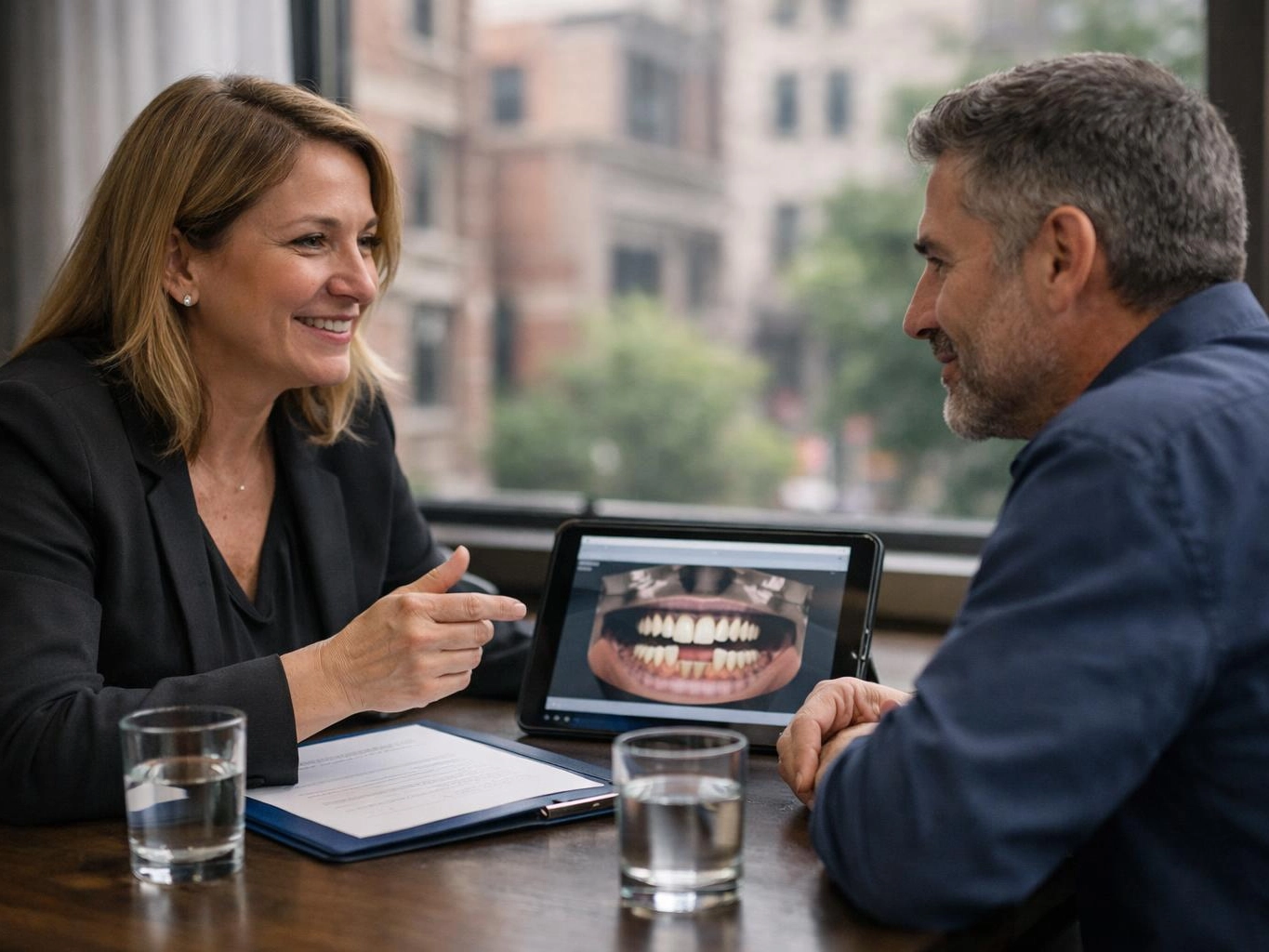
Before your consultation, bring dental records, a full medication list, recent imaging, and a clear history of smoking, diabetes, or prior gum disease. These details help the implant team judge risk, compare treatment paths, and decide if a full-arch plan is right or needs staging.
Before Your Consultation: Documents and Questions to Bring
For urban dental tourism and cross-city commuting in Chicago, clear pre-op coordination matters. If you live far from the office or are traveling in winter conditions, ask how sedation dentistry, imaging access, and follow-up visits will work before you commit. A strong consultation should answer those logistics as clearly as the clinical questions.
During evaluation, your dentist should complete a clinical exam, review CBCT anatomy, assess bone density, check soft tissue health, and map the final prosthetic design. These checks show whether immediate loading, grafting, extraction, or a staged approach gives the safest and most predictable result.
During Evaluation: The Key Checks Your Dentist Should Complete
The best evaluation does more than approve surgery. It explains whether osseointegration is likely to go well, whether a surgical guide will improve accuracy, and whether your oral rehabilitation should be a full-mouth implant restoration now or a more careful bridge plan later.
Red flags include active infection, uncontrolled systemic conditions, severe bone loss, and heavy grinding that can overload implants. When these risks are present, a full-arch case may need stabilization, grafting, bite protection, or a staged treatment plan instead of immediate placement.
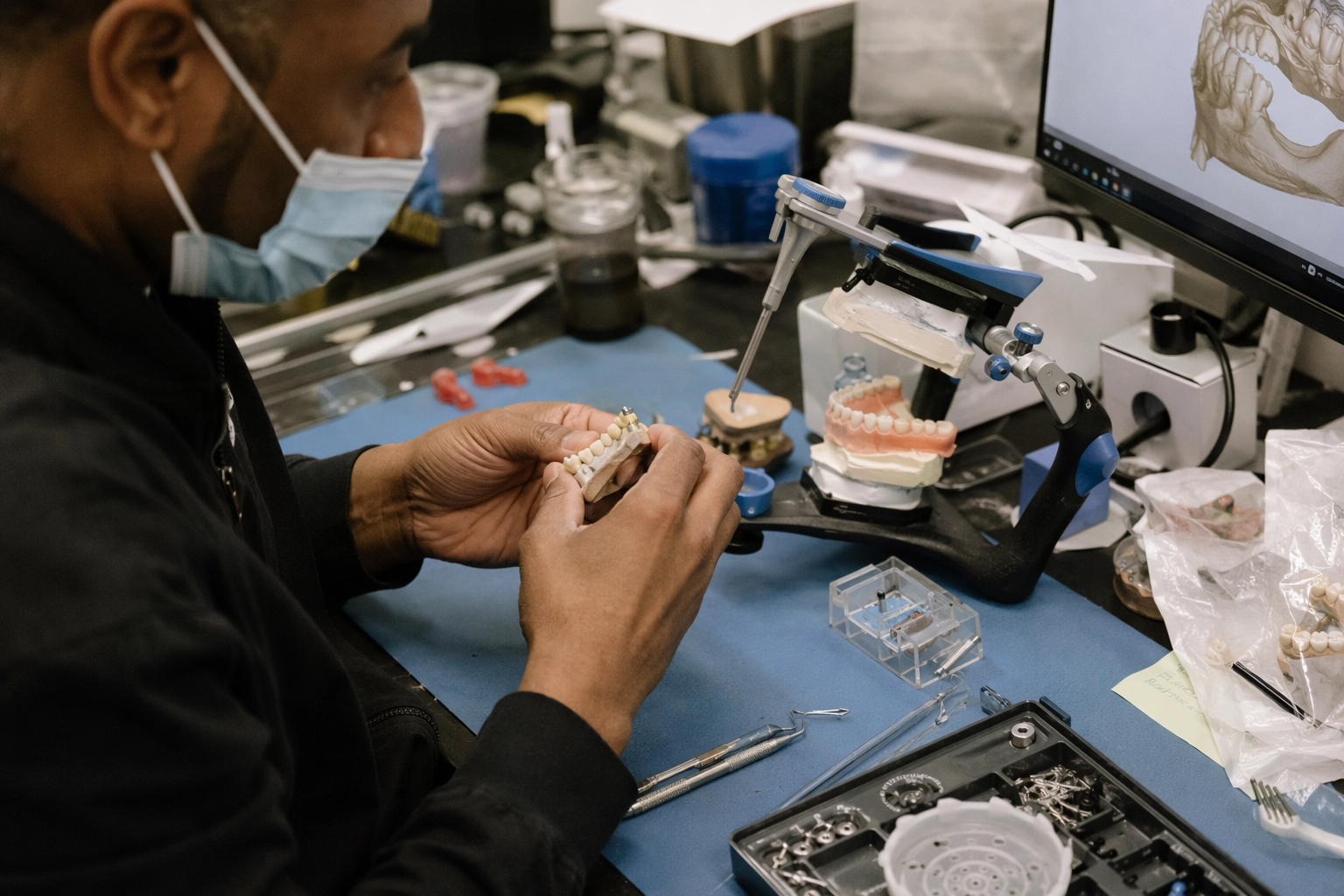
Red Flags That Mean You May Need a Different Implant Plan
Other concerns include unmanaged periodontal disease, heavy tobacco use, or a bite that cannot be balanced without major reconstruction. In those cases, the safer path may be to treat the disease first, then plan arch replacement later with better support and lower risk.
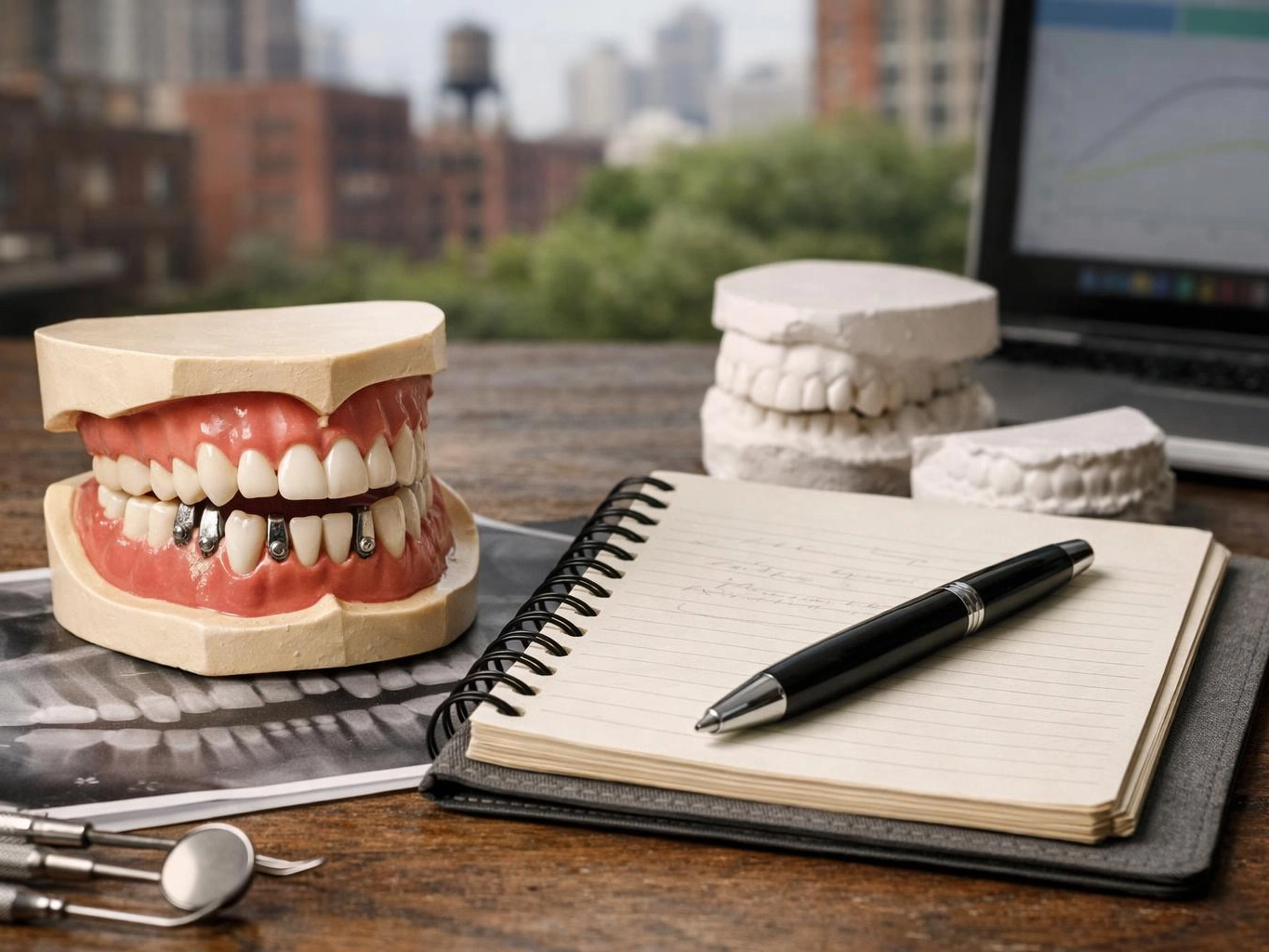
Before surgery, confirm the implant placement map, temporary prosthesis plan, sedation approach, healing timeline, and maintenance instructions. A clear plan prevents confusion on surgery day and helps you understand how the full-arch process will move from extraction and placement to final restoration.
Before Surgery: What to Confirm About Your All-on-4 or Full-Arch Plan
| Plan item | What to confirm | Why it matters |
|---|---|---|
| Implant placement map | Where each implant fixture will go, and whether the upper and lower arches need different angles or counts. | It supports prosthetic-driven planning and helps the final bridge fit the bone you actually have. |
| Temporary prosthesis | Whether you will leave surgery with a temporary arch replacement and how long it should stay in place. | It affects speech, chewing, and comfort during early healing. |
| Sedation plan | Which type of sedation dentistry will be used and what escort or fasting steps are needed. | It improves safety, especially for patients commuting across Chicago or arranging winter travel home. |
| Healing timeline | How long before checkups, adjustment visits, and final conversion to the permanent prosthesis. | It keeps treatment sequencing realistic and helps you plan work, travel, and meals. |
| Maintenance protocol | How to clean around abutments, when to return, and what symptoms should trigger a call. | It lowers the risk of peri-implantitis and prosthetic wear over time. |
Before you sign, ask how the team will handle extraction, bone grafting if needed, and any changes found during surgery. If you are comparing All-on-4 dental implants with another full-arch option, a clear written plan helps you see whether the proposal is truly prosthetic-driven or just marketed that way.
After treatment, protect your implants with daily hygiene, scheduled follow-up visits, bite protection if needed, and long-term implant maintenance. Consistent care lowers the risk of inflammation, peri-implantitis, and prosthetic wear, which are common reasons full-arch cases fail over time.
After Treatment: The Maintenance Checklist That Protects Your Implants
Good aftercare is part of oral rehabilitation, not an optional extra. The same patient who does well in surgery can still struggle later if cleaning, bite protection, and maintenance are ignored, so plan for the long term from day one.
An independent treatment review in Chicago can help you compare full-arch options, confirm whether you need grafting or extraction, and verify that the proposed implant plan matches your bone, bite, and medical profile. This is especially useful before committing to All-on-4 or multi-implant surgery.
Ready for an Independent Treatment Review in Chicago?
If you are comparing Chicago dental implants, a second opinion can separate necessary care from marketing claims. That is valuable when a provider recommends immediate loading, a one-day arch replacement, or a full-mouth implant restoration without showing enough imaging or explaining treatment sequencing. A careful review can show whether the plan should include bone grafting, extraction timing, sedation dentistry, or a staged path instead.
It also helps patients who are balancing commuting, winter travel, and follow-up access. An independent treatment review is not about delaying care. It is about confirming that the design, materials, and maintenance plan make sense before you commit to surgery and healing.
Request an independent treatment review if you want a clearer comparison of All-on-4 implants, full-arch rehabilitation, and Other oral rehabilitation options.
Frequently Asked Questions
Related Resources
Dental Tourism and Dental Implants in Mexico
dental tourism for dental implants in mexico
What Goes With ItDental Tourism for All-on-4 and Full-Arch Implants
all on 4 dental implants in mexico
Compared ToAll-on-4 Full Arch Dental Implants
all on 4 full arch dental implants
Compared ToSingle vs Multiple Dental Implants