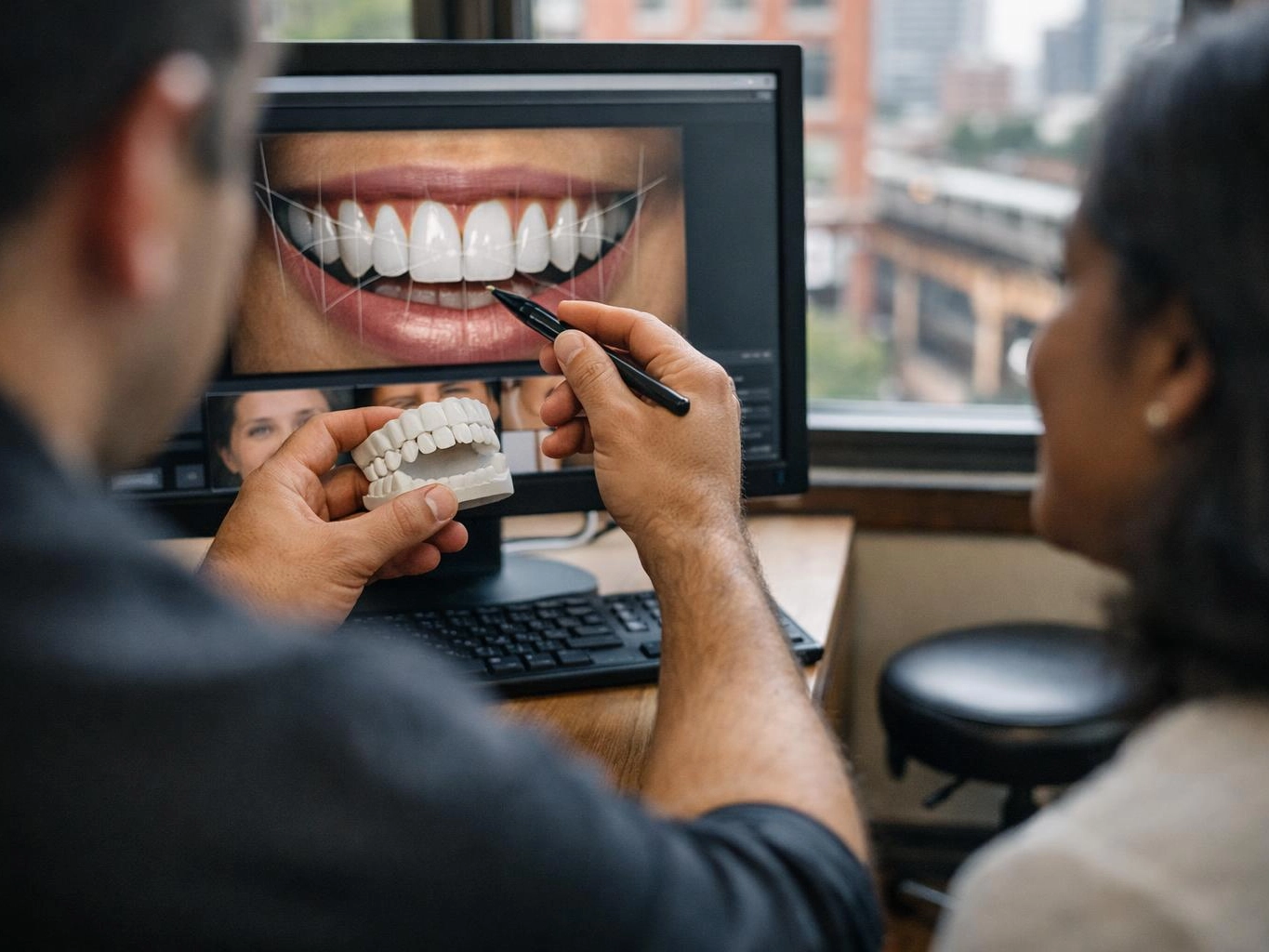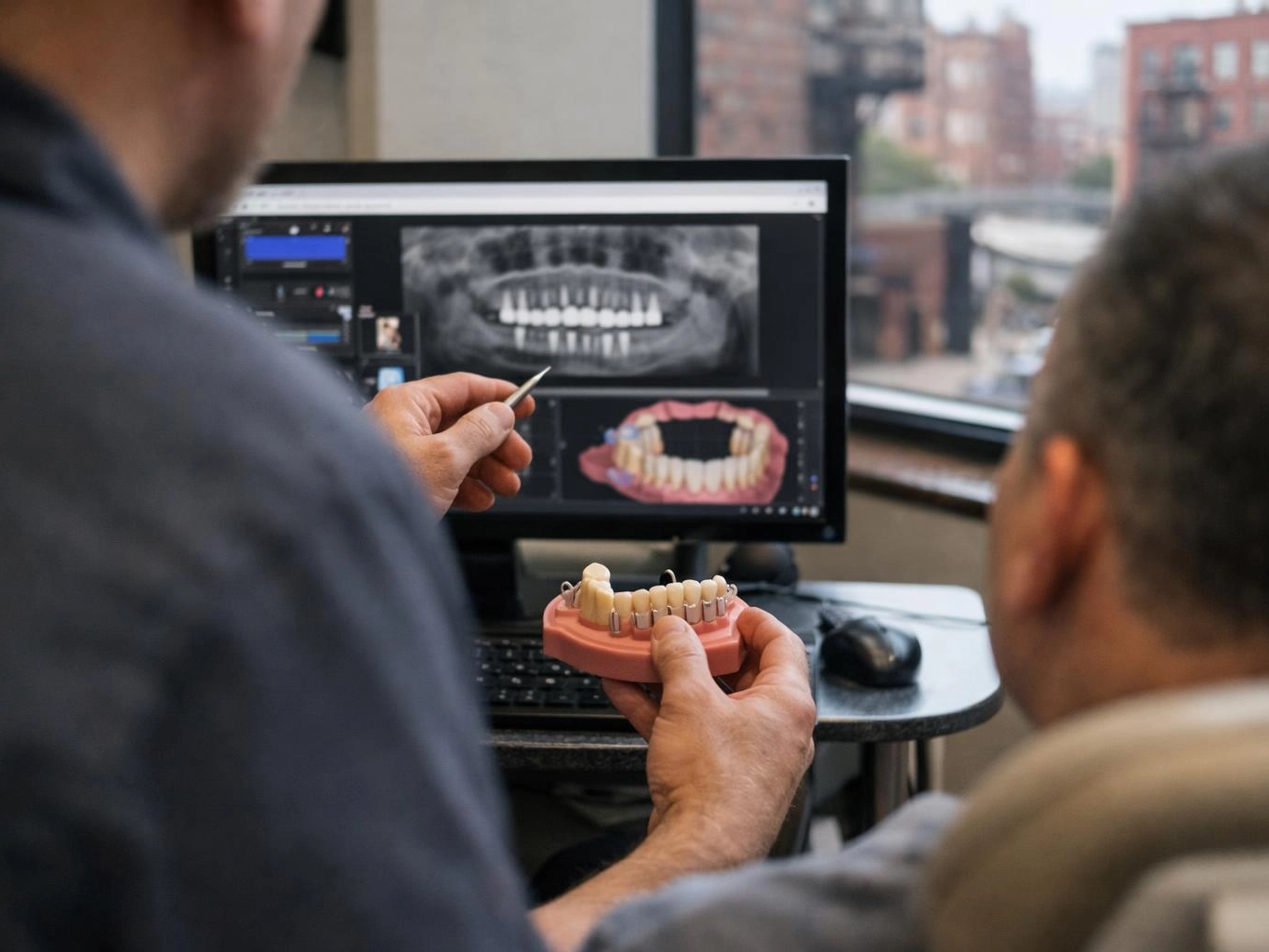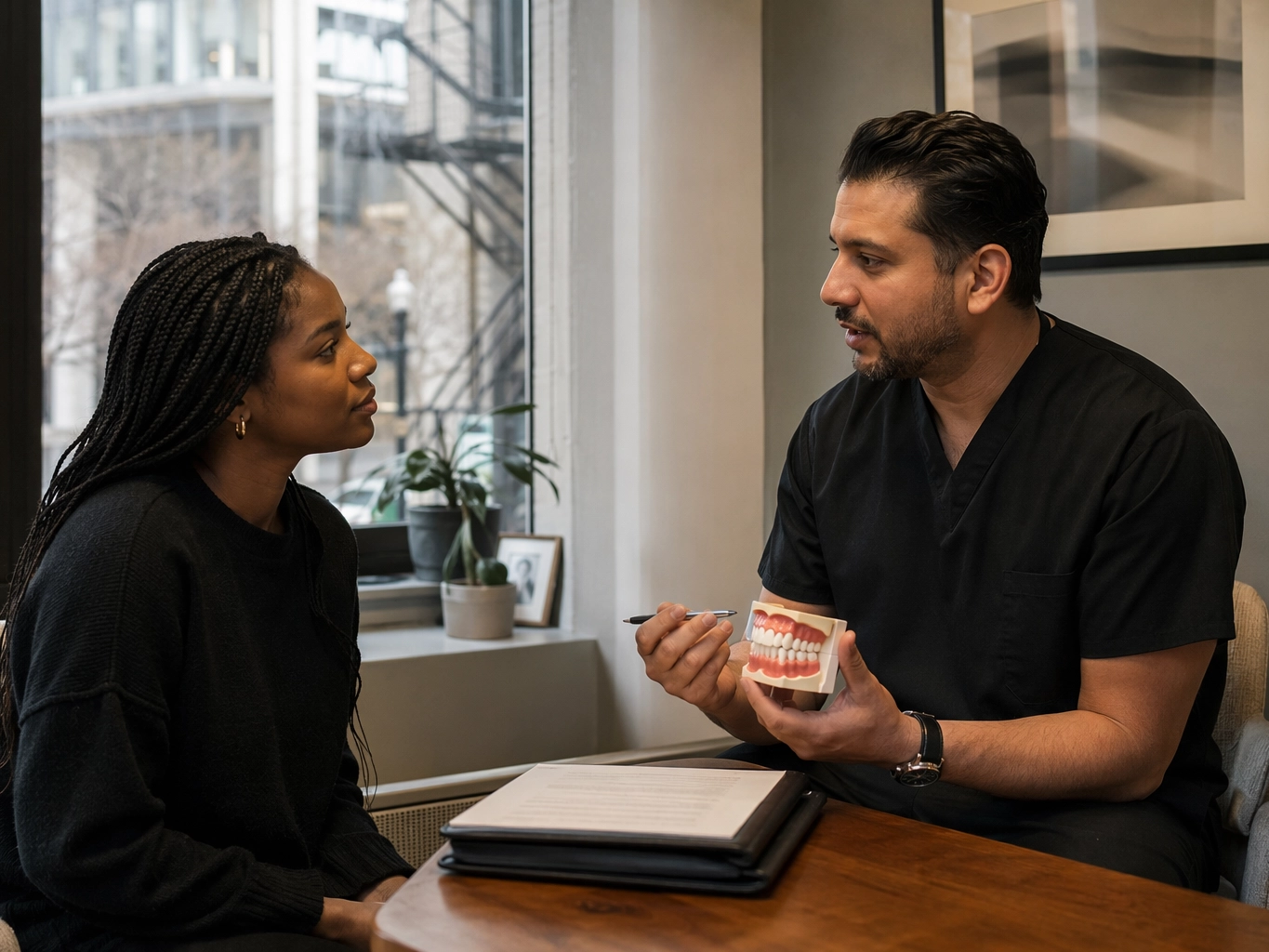
Dental Tourism Checklist Before Going to Mexico for Treatment in Chicago
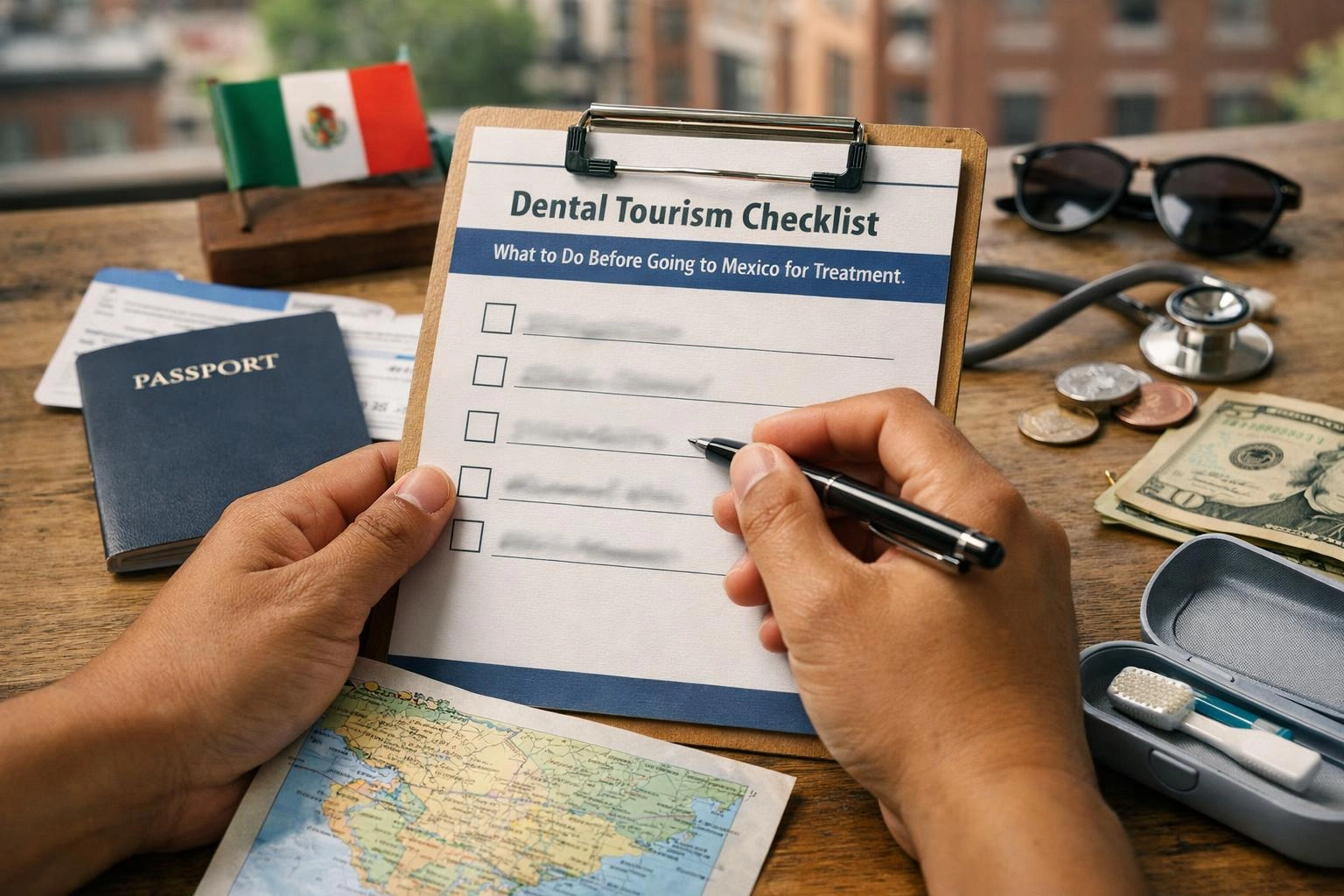
Chicago patients should use a dental tourism checklist before going to Mexico. Check the dentist’s credentials, compare treatment plans, and confirm imaging and medical records. Also review infection-control standards, aftercare, language support, payment terms, warranty coverage, and emergency contacts before booking. A careful pre-trip checklist cuts risk, avoids hidden costs, and makes cross-border dental care more predictable.
Chicago patients should use a dental tourism checklist before going to Mexico to confirm the clinic, the plan, and the travel window before they pay. This step-by-step check helps you compare a written treatment plan, review dentist credentials, and make sure your medical history and x-rays are ready. It also lowers the chance of surprise costs during cross-border dental care.
How Do You Verify a Mexico Dental Clinic Is a Good Fit?
| Check | What to look for | Why it matters |
|---|---|---|
| Licensure | Current licensure, specialty, and clinic registration | Shows the provider is qualified for your case |
| Before-and-after evidence | Case photos that match your treatment type | Helps you judge real experience, not just marketing |
| Communication support | English support, patient coordinator access, written replies | Reduces consent errors and travel confusion |
Look for clear answers, not polished sales talk. A solid clinic will explain materials, show typical timelines, and answer questions about follow-up visit planning. If the office skips details about the dentist’s specialty, communication support, or infection control standards, keep comparing options. For Chicago patients, winter travel disruption and airport connection delays make flexible scheduling and written instructions even more useful.
Chicago patients should bring recent dental records, imaging, medication lists, allergy information, and a clear description of symptoms before traveling to Mexico. These documents help the clinic judge whether the treatment plan fits, reduce duplicate testing, and improve coordination if the case needs implant, crown, or surgical work.
Pack both paper and digital copies in case Wi-Fi is limited during travel. A good records packet makes cross-border coordination easier and can shorten the first consultation. It also helps the clinic decide whether the case is simple or complex enough to need staged care, especially for crown work or dental implants. If your treatment depends on prior imaging, send it before you fly so the office can review it in advance.
Which Questions Should You Ask the Clinic Before You Pay?
Also ask who will be your main contact, whether a patient coordinator will manage messages, and how the office handles pain management after surgery. Clear answers help you compare clinics fairly and make transparent pricing easier to judge.
Red flags include pressure to book right away, vague pricing, no written treatment plan, and weak aftercare instructions. Chicago patients should pause when a clinic will not explain materials, timelines, or follow-up expectations, because those gaps often signal hidden costs, poor coordination, or a higher chance of unresolved complications after you return.
Other warning signs include unclear communication about infection control, no proof of credential verification, or a clinic that avoids questions about how complications are handled. Strong international dental care should feel organized, not rushed. If the office cannot explain transparent pricing, patient consent, or how it supports cross-border dental care after you fly back, keep looking.
Chicago patients should plan travel around recovery time, not just appointment dates. A smart checklist includes enough days for healing, a realistic return window, pain-control instructions, and a plan for follow-up care after coming back from Mexico. This approach protects the outcome and helps manage complications without scrambling at the last minute.
For cross-border dental care, a good recovery window is often more valuable than a cheaper ticket. Winter weather can add friction on the way out or back, and airport connections may shorten your margin for error. Write down emergency contacts, carry your medication list, and confirm who handles follow-up visit planning before you leave. Those steps make the trip safer and more predictable.
What Local Chicago Factors Affect Dental Tourism Planning?
Chicago planning has its own pressure points. Winter travel disruption can change flight times, extend recovery timing, and make an extra buffer day worthwhile before and after treatment. Airport connections also matter, because missed links can complicate border travel and the return visit window. In a city where time away from work is expensive, a tighter treatment timeline and written aftercare instructions help you stay organized and reduce stress.
Frequently Asked Questions
Related Resources
Dental Implants Checklist Before Full-Arch Treatment
dental implants checklist before full arch treatment
What's RequiredFull Mouth Reconstruction Checklist Before Treatment
What's RequiredDental Tourism Travel Checklist for Chicago to Mexico
dental tourism travel checklist chicago to mexico