Dental Tourism for Dental Implants in Mexico for Chicago Patients
Chicago patients use dental tourism for dental implants in Mexico to cut treatment costs and bundle care into one trip. The best candidates compare implant quality, surgeon experience, aftercare access, and travel details before they book.
Why Chicago Patients Choose Mexico for Dental Implants?
Chicago patients choose Mexico for dental implants to get lower prices, shorter waits, and care plans built around travel. The right choice depends on implant quality, surgeon credentials, trip timing, and whether follow-up care in Chicago will be simple.
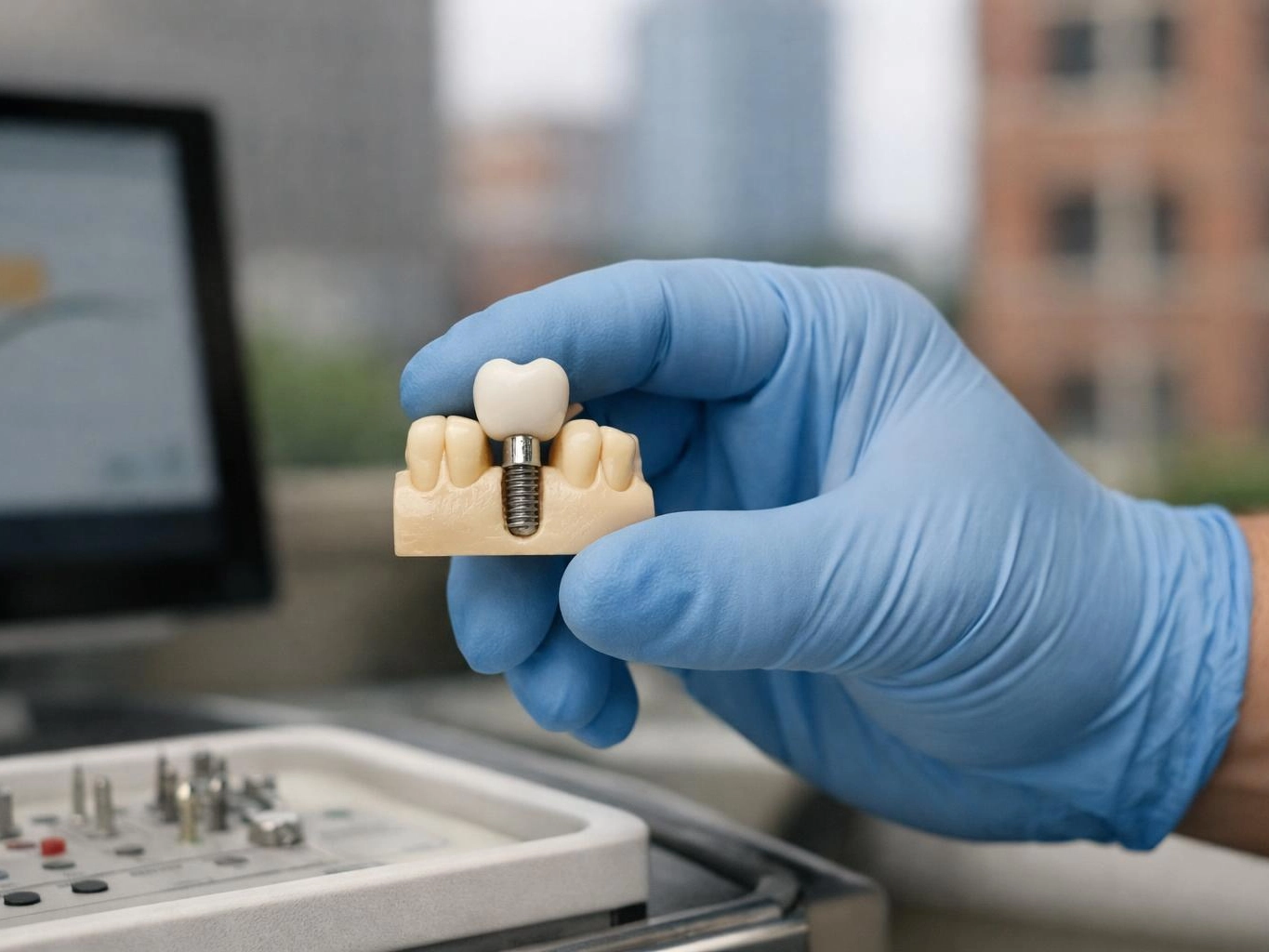
For many people, cross-border dental care feels easier to manage because it breaks a large surgery plan into clear steps. Mexico dental clinics often set visits around consultation, imaging, placement, and later restoration, so patients can compare the timeline with local care. A solid plan also includes the abutment, the implant crown, and any healing time before the final result.
The best choice isn't just about savings. It also depends on clear communication, steady treatment, and proper monitoring for osseointegration. Chicago patients should ask who reviews the CBCT scan, how records are handled, and what happens if a checkup is needed after the flight home. Winter weather in Chicago can make last-minute travel harder, so trip timing matters more than many people expect.
When Dental Tourism and Implants Make Sense Together?
Dental tourism and implants make sense together when Chicago patients need costly treatment, can do it in stages, and don't need daily office visits. It works best when the patient can travel, stay long enough for surgery, and return later for restoration or checks.
Best-fit Scenarios for Combining Travel and Implant Care
- When bone grafting can be completed before or during the first phase of care, making the overall plan more efficient.
- When implant placement is straightforward and the clinic can provide temporary restoration before the patient flies back.
- When the patient has flexible time off and can stay long enough for the early healing period.
- When savings are meaningful enough to justify travel logistics, imaging, and a second visit for final work.
Single and Multiple Dental Implants: What Changes
Single dental implants replace one missing tooth, while multiple implants support several teeth or a larger restoration plan. The more teeth involved, the more trip timing, imaging, healing time, and coordination matter for Chicago patients traveling to Mexico.
| Treatment type | What it replaces | Trip planning impact | Typical coordination needs |
|---|---|---|---|
| Single implants | One tooth with an implant fixture, abutment, and implant crown | Often simpler and easier to stage around one recovery period | CBCT scan review, placement visit, and later crown delivery |
| Multiple implants | Several missing teeth or support for a larger bridge | Needs more buffer days and tighter scheduling | More imaging, possible grafting, and phased follow-up care |
| Full-arch implant restoration | Most or all teeth in one arch | Usually requires the most careful travel logistics | Surgery, temporary prosthesis, healing checks, and final prosthodontic treatment |
For single implants, the main question is whether the site is healthy enough for placement now or needs prep first. For multiple implants, the patient and clinician need to match the surgery timeline with healing and later prosthetic work. That's why osseointegration matters so much: the bone must bond with the implant before the restoration can last long term.
How Chicago Patients Should Plan a Mexico Dental Trip?
Chicago patients should plan a Mexico dental trip by checking candidacy, reviewing imaging, setting the surgery date, and mapping follow-up before they leave. A good plan includes passport timing, enough recovery days, a local support person if needed, and a clear answer on who handles problems after the return flight.
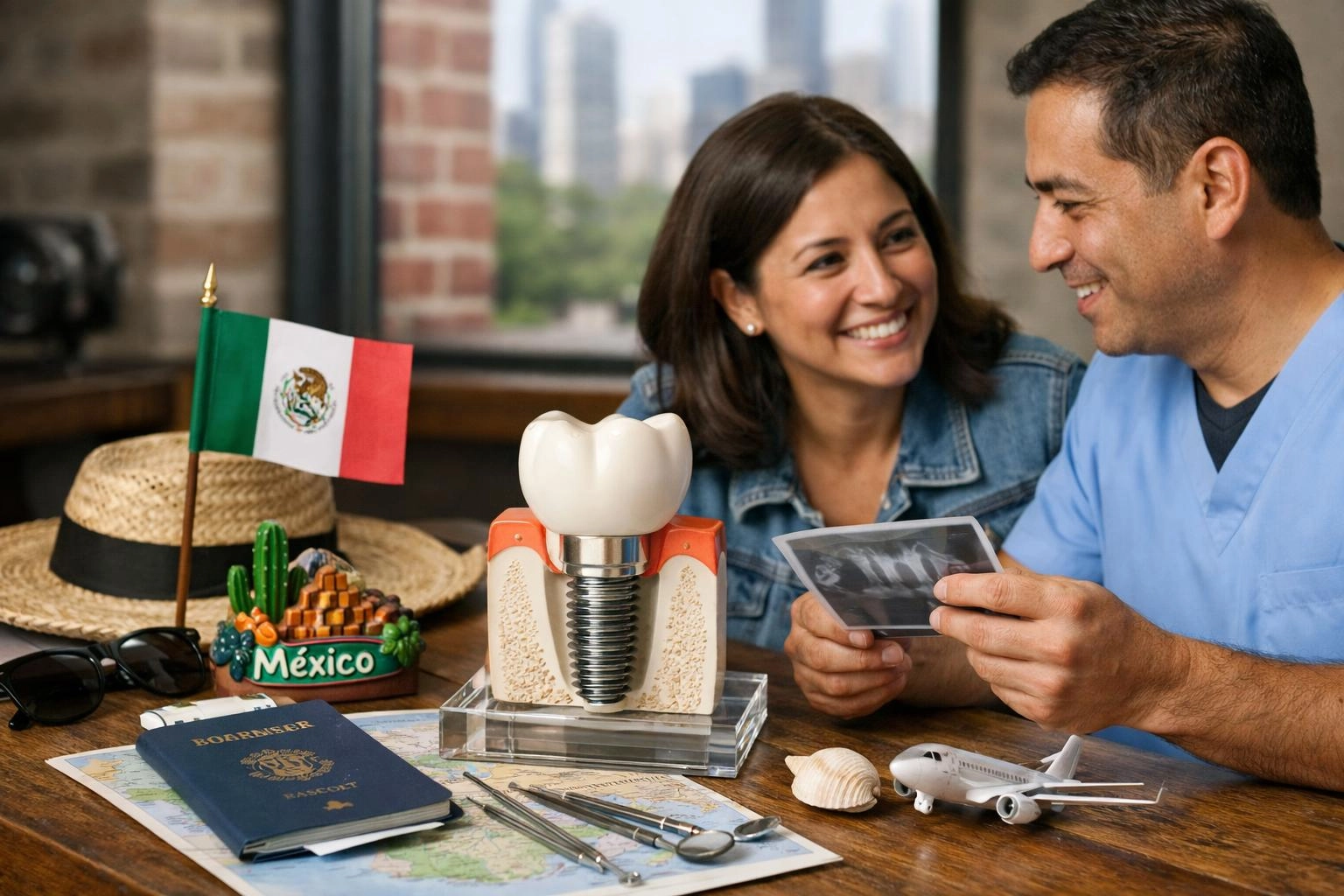
That planning matters even more in winter, when Chicago weather can delay flights or make travel rough after a procedure. Patients should also ask who coordinates the abutment, final prosthodontic steps, and any return check so the treatment stays organized from start to finish.
What to Check Before You Book Treatment Abroad?
- Confirm the implant brand and whether parts are easy to replace or service later.
- Ask for a CBCT scan review so the surgical plan is based on current anatomy, not assumptions.
- Review sterilization and clinic protocols to understand how infection control is handled.
- Request a written aftercare plan that covers medicines, food choices, warning signs, and local follow-up options.
Risks, Recovery, and Follow-Up for Out-of-Town Implant Care
Out-of-town implant care needs careful recovery planning because healing, osseointegration, and complications don't stop at the border. Chicago patients need a follow-up plan, enough downtime, and a way to get local help if pain, swelling, or implant instability shows up after they return.
The main risks are infection, delayed healing, and implant failure if the surgical site gets stressed too soon. Most patients heal on a steady schedule, but the body doesn't care whether the procedure happened in Mexico or at home. That's why follow-up care matters. If you return to Chicago too soon, you may miss early warning signs or have trouble getting quick support from the original clinic.
A practical plan includes rest days after oral surgery, written medication directions, and a clear contact path for questions. It also helps to know where a local clinician can check the site if you have unexpected bleeding, stronger pain, or bite changes. The safest approach treats the trip as one phase of a longer treatment plan, not the finish line.
Dental Tourism Checklist for Chicago Patients Considering Mexico
A dental tourism checklist helps Chicago patients avoid missed steps before traveling to Mexico for implants. The basics are current records, diagnostic imaging, medication review, travel documents, enough recovery time, and a written plan for the surgery, restoration phase, and post-op contact.
Before booking, confirm how the clinic handles the surgery visit, the later abutment appointment, and the final crown or prosthetic step. That simple review can prevent confusion and make the trip more predictable.