Porcelain Veneers Cost in Chicago, IL: What to Expect
Porcelain veneers cost in Chicago, IL depends on how many teeth you treat, how complex the case is, and whether you pair veneers with a smile makeover. Porcelain veneers usually cost more than composite because they last longer, resist stains better, and need careful lab work. Dentists usually quote per tooth, while full-mouth cases cost more because they need planning, design, and several restorations. Insurance usually doesn't cover cosmetic veneers, so many patients compare financing and Other options before they start.
How Much Do Porcelain Veneers Cost in Chicago?
Porcelain veneers in Chicago, IL are priced based on the number of teeth treated, the cosmetic complexity, and the materials and lab work involved. Most patients should expect per-tooth pricing, with full smile makeovers costing more because they include design, planning, and multiple restorations. In a market with strong Chicago cosmetic dentistry demand, quotes can vary more from office to office than people expect.
Chicago, IL also has downtown overhead, specialist-style practice positioning, and a wide range of clinician experience. Those local factors can raise estimates compared with simpler general-practice care. If you're comparing porcelain ceramic options, ask whether the plan includes shade matching, bite alignment review, temporary try-ins, and any follow-up adjustments after placement.
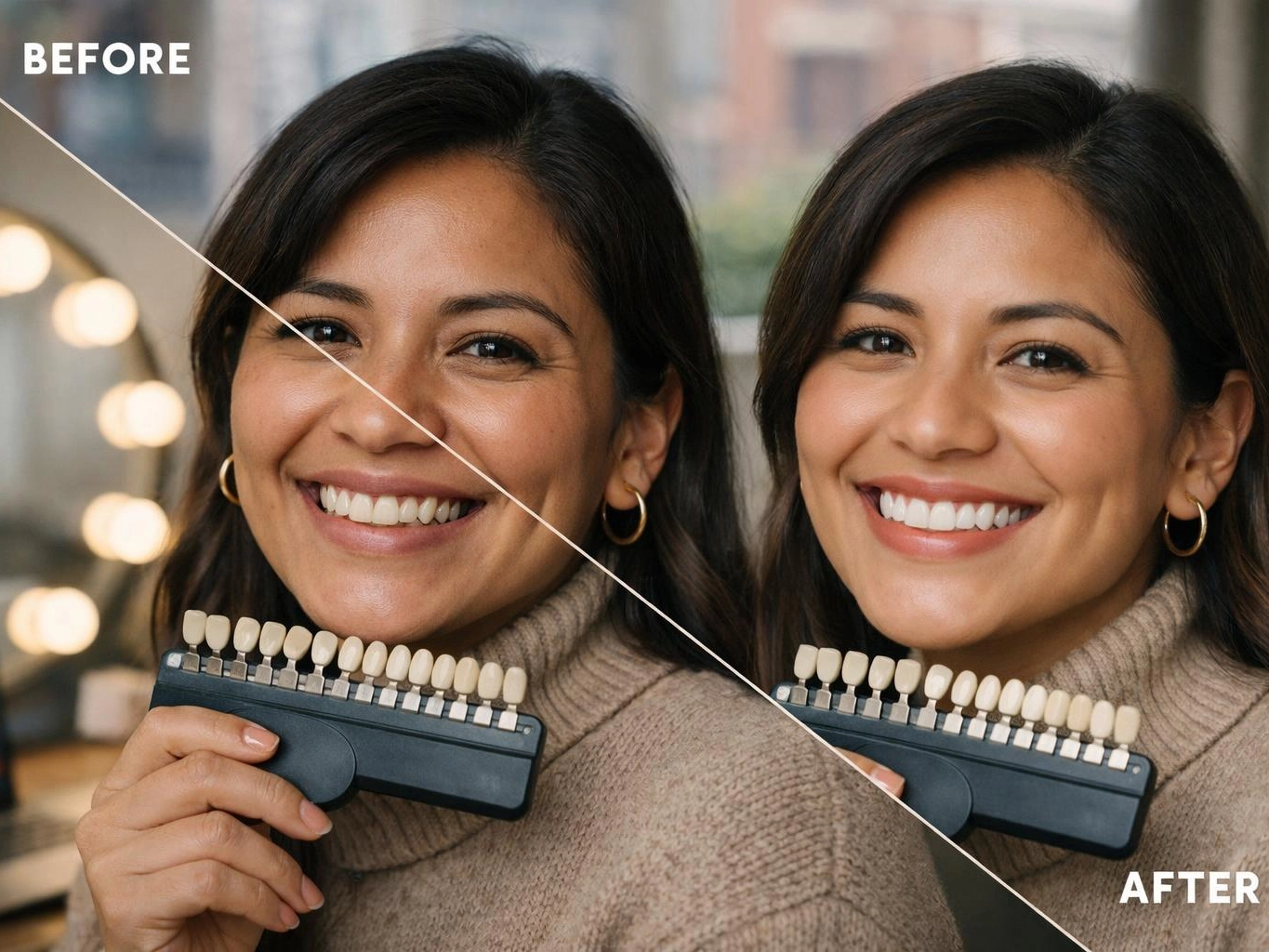
For a smile makeover, the final fee often reflects more than the veneers themselves. It may include records, photos, digital planning, and lab-made restorations shaped to match your face and smile line. Chicago commuters may also want fewer visits, so grouped planning can matter as much as the unit price when you're balancing time, convenience, and esthetics.
| Tier | Typical price range | What it usually includes |
|---|---|---|
| Basic | Lower end for a few visible teeth | Single-tooth veneer planning, limited records, and a focused cosmetic goal |
| Standard | Mid-range for a small smile makeover | Per-tooth pricing, shade matching, tooth preparation, and custom lab shell fabrication |
| Premium | Higher range for complex cases | Full-mouth planning, mockups, multiple visits, and more detailed cosmetic dentistry coordination |
What Is the Cost per Tooth for Porcelain Veneers?
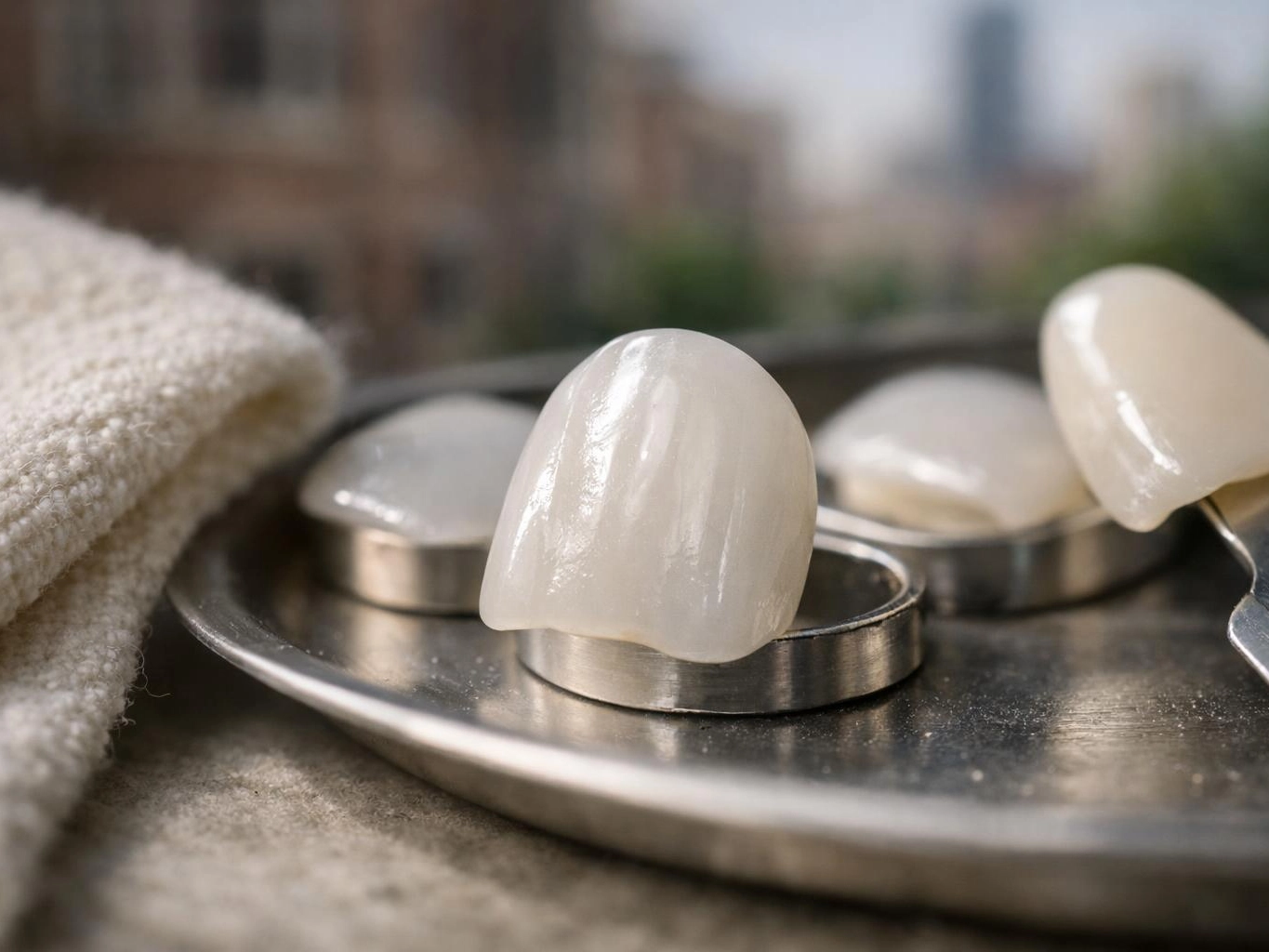
Porcelain veneers cost per tooth because each veneer is custom-made, bonded individually, and adjusted for fit, color, and bite. Per-tooth pricing is the clearest way to compare estimates, especially when patients are replacing only a few visible teeth rather than doing a full smile transformation. The total depends on tooth preparation, the ceramic veneer design, and how much cosmetic refinement is needed.
| Per-tooth factor | Why it affects cost | What to ask |
|---|---|---|
| Tooth preparation | More reshaping can take more chair time and planning | How much enamel shaping is expected? |
| Ceramic veneer fabrication | Lab work adds precision and customization | Is the restoration lab-fabricated? |
| Shade matching | Matching nearby teeth takes skill and careful design | Will the color be matched to natural enamel? |
| Bite alignment | The veneer must fit your bite without stress or wear | Is bite alignment part of the plan? |
For a single-tooth veneer, the quote can be simpler, but it should still include the resin bonding steps and the final polish. If you're comparing a few front teeth, ask whether the office prices each veneer separately or bundles the case. That difference can change the number you see on paper even when the clinical work is similar.
How Much Does a Full Mouth of Veneers Cost?
Porcelain veneers for a full mouth cost more because they involve treating many teeth, coordinating aesthetics across the smile, and often adding diagnostic records, mockups, and follow-up adjustments. The total price rises with the number of veneers, but full cases can improve symmetry, color, and overall smile balance. This is often part of full mouth rehabilitation when worn edges, uneven shapes, and old restorations all need attention.
A full set isn't always the same as treating every tooth. Many plans focus on the teeth that show when you smile, then extend only as needed for color balance and bite function. In Chicago, commuters sometimes want a more condensed appointment schedule, so smile makeover planning can reduce back-and-forth visits and make the process easier to manage.
Because these are lab-made restorations, a full-mouth veneer plan usually includes records, design previews, and one or more try-in steps before final bonding. The quote may also reflect specialist-style care and the level of detail in the cosmetic dentistry workflow. If your goal is a dramatic change, the higher fee often buys more control over shape, brightness, and long-term harmony across the arch.
What’s the Average Cost of a Full Set of Veneers?
A full set of veneers usually costs more than a smaller case because the upper arch or both arches require coordinated design, multiple restorations, and more chair time. Typical full-mouth veneer cases are often quoted in ranges rather than exact prices because the average cost depends on how many teeth are included, how much tooth preparation is needed, and how detailed the cosmetic goal is.
For many patients, the upper arch is the first place to start because it is the most visible when smiling. A full set can then be expanded later if needed. That staged approach can help manage financing options and reduce the pressure of doing every tooth at once, while still improving the overall appearance of the smile.
Porcelain Veneers vs Composite: Which Costs Less?
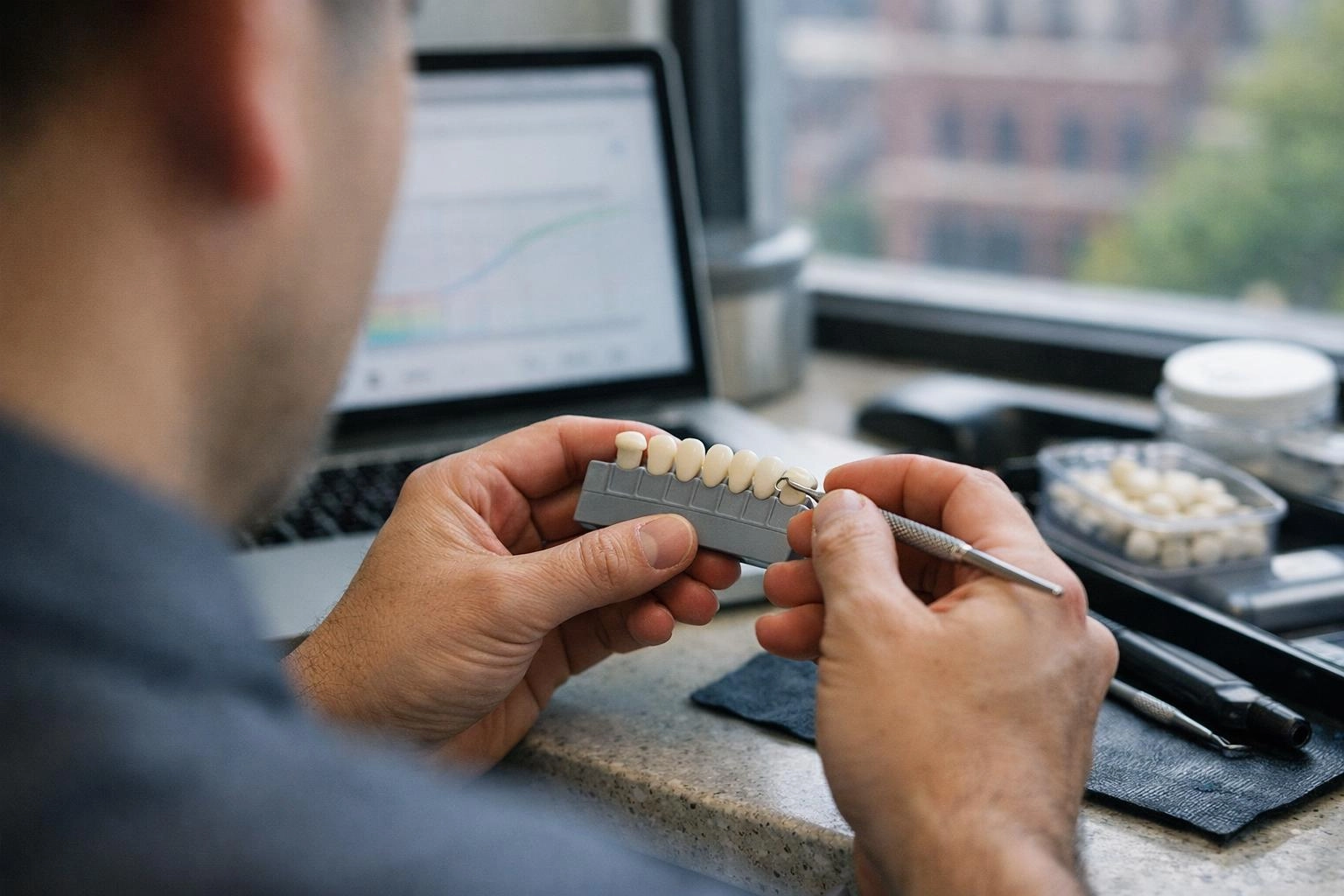
Composite veneers usually cost less upfront than porcelain veneers, but porcelain often delivers better stain resistance, stronger longevity, and a more natural light-reflecting appearance. Patients comparing cost should weigh the initial price against maintenance, expected lifespan, and cosmetic goals. The best choice depends on whether you want a quick composite bonding fix or a longer-lasting ceramic veneers result.
| Option | Typical upfront cost | Main strengths | Main tradeoff |
|---|---|---|---|
| Porcelain veneers | Higher per tooth | Better durability, shade stability, and stain resistance | More expensive and more involved planning |
| Composite veneers | Lower upfront | More budget-friendly, often completed faster | Less durability and more maintenance over time |
| Dental bonding | Usually the lowest cosmetic option | Good for chips, small gaps, and minor shape fixes | Can wear or stain sooner than ceramic veneers |
| Porcelain ceramic laminates | Similar to porcelain veneers | Natural look and strong stain resistance | Requires careful tooth preparation and lab work |
When comparing porcelain veneers cost vs composite, think beyond the first bill. Composite bonding can be a smart short-term choice, but ceramic veneers often keep their polish longer and may look more natural under changing light. If your smile goal is mainly color correction, whitening may be enough; if you need shape changes too, the material choice matters more.
Does Insurance Cover Porcelain Veneers?
Dental insurance usually does not cover porcelain veneers because they are considered cosmetic rather than medically necessary. In some cases, a plan may help with part of the diagnostic or restorative work, but the veneer itself is typically an out-of-pocket expense. That is why porcelain veneers cost with insurance still often looks close to the self-pay price.
If a dentist must replace damaged tooth structure before the cosmetic phase, some of that restorative dentistry may receive partial coverage depending on the plan. The exact benefit varies, so it helps to request a breakdown before treatment begins. Patients often compare dental insurance, financing options, and staged treatment so they can manage costs without delaying needed care.
Because coverage rules are narrow, most offices treat veneer planning like a cash-based cosmetic dentistry case. Ask whether the office can submit a pre-treatment estimate, show what is diagnostic versus elective, and explain how each line item fits your benefit plan. That clarity makes it easier to decide whether to move forward now or start with a less expensive treatment.
What’s a Cheaper Option Than Veneers?
Cheaper alternatives to porcelain veneers include composite bonding, professional whitening, enamel contouring, and in some cases orthodontic treatment. The best lower-cost option depends on whether the concern is color, shape, spacing, chips, or minor alignment issues. Many patients start with the least invasive treatment that can still deliver a noticeable change.
For some smiles, a staged plan is the smartest choice: whitening first, then bonding or a few veneers only where needed. That approach can lower the total while still improving symmetry and brightness. If you're comparing financing options, ask which treatments can be paired over time rather than done all at once.
Frequently Asked Questions
Money-Saving Tips for Veneers
In Chicago, quote shopping matters because higher cosmetic-dentistry competition can create wider pricing variation between offices. Downtown overhead and specialist-style practice positioning may also affect the estimate, so two plans that look similar can still differ in total cost. If you commute, ask about fewer visits and grouped treatment days to lower the time cost too.
For many patients, the smartest savings come from matching the treatment to the problem. Whitening helps when the issue is color, composite bonding helps with small repairs, and ceramic veneers make sense when you want a bigger change and stronger stain resistance. A careful consultation can keep the plan focused, efficient, and easier to afford.
Related Resources
Full Mouth Reconstruction Checklist Before Treatment
What Goes With ItDental Tourism for Porcelain Veneers and Smile Makeovers
porcelain veneers in mexico
Compared ToPorcelain Veneers vs Composite Veneers
Compared ToBest Options for Replacing All Your Teeth
what is the best option for replacing all your teeth