
Zirconia Crowns and Bridges in Chicago, IL
Zirconia crowns and bridges are strong, stain-resistant, and look natural. Chicago patients often choose them for everyday chewing and a clean smile. 4Y zirconia is often preferred for a balance of strength and esthetics. 3Y zirconia is best when maximum strength matters. For bridges, zirconia is a smart choice when durability and easy cleaning matter most.
Zirconia Crowns and Bridges offers durable, attractive, and long-lasting tooth replacement for Chicago, IL patients. For people comparing restorative dentistry choices, it gives a biocompatible option that supports chewing, stain resistance, and natural translucency. Many local patients also like that it can mean fewer repeat visits during busy commuting weeks.
Zirconia crowns and zirconia bridges are strong choices for tooth restoration because they handle bite force well and are easier to keep clean than some layered materials. In Chicago, winter dryness and temperature swings can make comfort and care more important for ceramic restorations, so a stable all-ceramic restoration often appeals to patients who want dependable daily use.
Chicago has a large cosmetic and restorative dentistry market, so patients often compare materials closely before they choose treatment. Zirconia restorations stand out because they bring long-term durability, support gum health, and have a polished finish. That smooth surface can help the crown margin or bridge area stay cleaner with good oral hygiene.
Why Choose Zirconia Crowns and Bridges for Tooth Restoration?
Zirconia crowns and bridges give patients a strong, natural-looking tooth restoration that resists staining and supports daily chewing. In Chicago, IL, they are especially appealing for people comparing long-term function, cosmetic appearance, and easier care in a busy urban dental setting.
Zirconia restorations are popular because they balance strength and esthetics without metal. That makes them useful for front and back teeth, especially when bite force is high or when the patient wants ceramic crowns and bridges that look closer to natural enamel. The material also supports long-term durability in restorative dentistry.
For many Chicago dental patients, the choice comes down to real life. Long commutes and packed work schedules make fewer repair visits important, and a well-made fixed bridge or crown can help with tooth replacement while staying easier to clean than older options. A good fit, smooth edges, and a polished surface all support oral hygiene and comfort.
Zirconia also fits well in aesthetic dentistry because it can be shaped for a natural profile and matched to nearby teeth. When the plan includes a bridge pontic or a single crown, the goal is usually the same: restore function, protect the tooth, and keep the result calm and natural.
Which Type of Zirconia Crown Is Best?
Which type of zirconia crown is best depends on the case, but many dentists prefer 4Y zirconia for its mix of durability and natural appearance. When maximum strength is the priority, 3Y zirconia is a strong choice. Chicago patients should match the material to bite force, visible location, and restoration goals.
4Y zirconia is often chosen for a balanced result because it can offer strong performance with more natural translucency than older, very opaque materials. That makes it useful for visible areas where esthetics matter, such as a front tooth crown or a smile-zone bridge unit. It is a practical choice when appearance and strength both matter.
3Y zirconia is usually the better pick when maximum strength is the top concern. It is less translucent, but it can be very tough under bite force, which matters for back teeth, heavy bite patterns, or longer spans in some prosthodontic treatment plans. Many clinicians choose it when they want a sturdy 3Y zirconia crown with dependable wear resistance.
Material selection should also consider tooth preparation, opposing teeth, and the patient’s goals. A good plan may even pair zirconia with Other options in the mouth, such as IPS e.max for a different cosmetic need, since not every tooth needs the same solution. The best choice is the one that fits the tooth, not just the label.
Core Benefits of Zirconia Restorations
Strong chewing support: Zirconia handles bite force well, so patients can eat normally with confidence. In typical cases, it is built to support daily chewing without the flexibility problems seen in some lower-cost alternatives.
Natural-looking esthetics: A 4Y zirconia crown can blend well in visible areas because of its natural translucency. For many smile-zone cases, the result looks like a tooth rather than a restoration.
Stain resistance: Zirconia resists staining better than many layered materials. Most patients can expect the surface to keep its color well with routine oral hygiene and normal coffee or tea habits.
Biocompatible comfort: Zirconia is generally biocompatible and gentle on gum tissue. That matters for patients with allergic sensitivity or a history of reacting to metal-based materials.
Long-term durability: With proper care, zirconia can deliver years of stable performance. It is often chosen by patients who want a restoration that can handle a busy schedule and fewer maintenance surprises.
Easy cleaning: The smooth, polished finish helps plaque slide off more easily than rougher surfaces. That can support gum health and make home care simpler around the margins and pontics.
What Is a Zirconia Dental Bridge, and Is Zirconia Good for Bridges?
A zirconia dental bridge is a fixed bridge made from zirconia that replaces one or more missing teeth. Zirconia is good for bridges because it offers maximum durability, premium esthetics, minimal staining, and a highly polished surface that is easy to clean. Chicago patients often choose it for long-term strength.
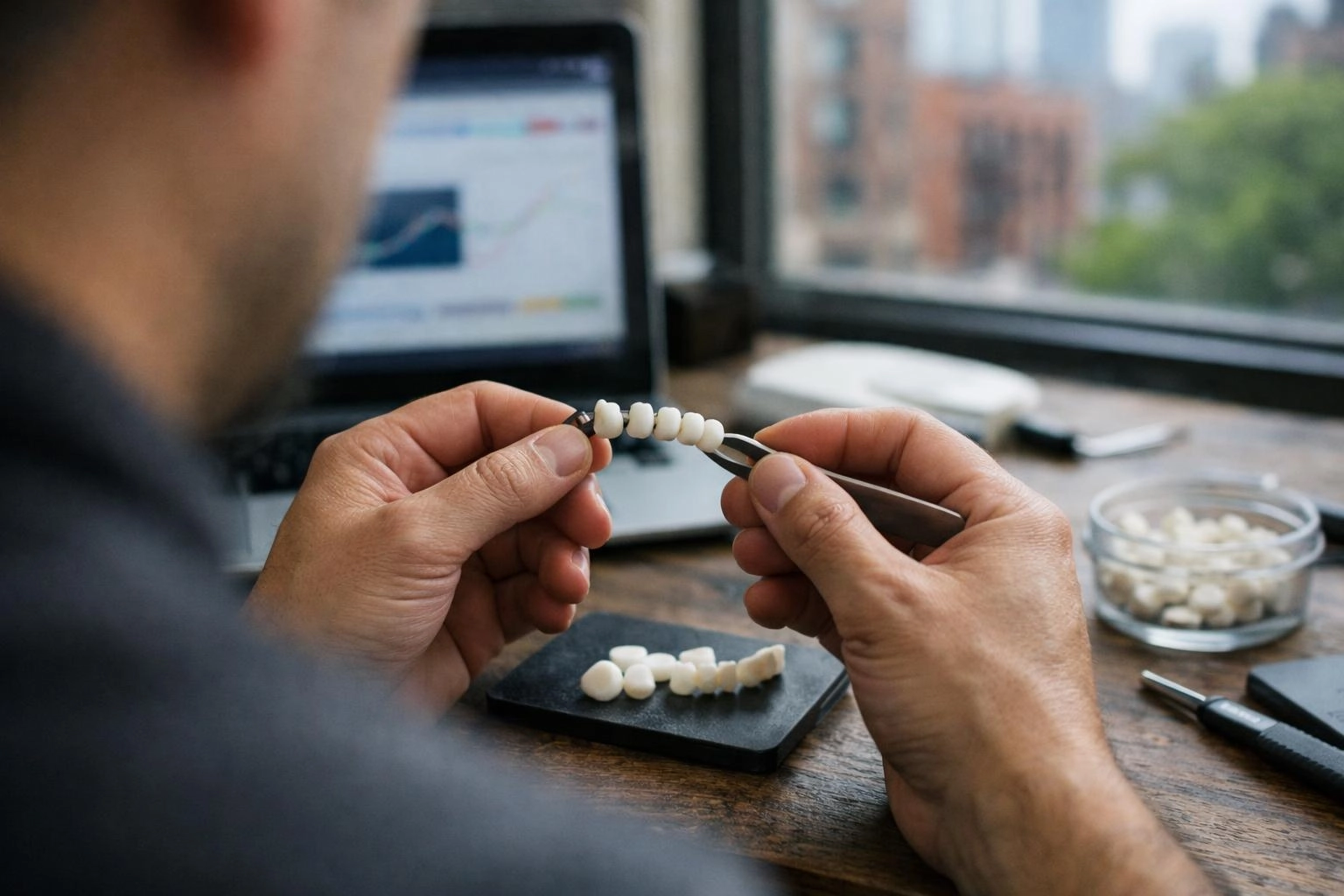
A zirconia fixed bridge can be a strong answer when a patient needs tooth replacement that stays stable under bite force. Because the structure is rigid and resistant to wear, it can work well for spans where daily chewing demands are high. The polished surface also helps reduce plaque buildup, which supports oral hygiene around the bridge and nearby teeth.
Repairability is one tradeoff to discuss. A zirconia bridge is durable, but like many strong ceramic restorations, it is not always as simple to patch as a hybrid acrylic bridge. Patients who want a lower initial cost and easier tooth-by-tooth repairs sometimes compare hybrid acrylic bridge options, while those seeking the best mix of strength and appearance often stay with zirconia.
For Chicago, IL patients, the decision may also reflect lifestyle. Busy workdays, winter dryness, and commuting can make easy cleaning and fewer follow-up visits more valuable. A well-designed bridge pontic and polished connector areas can help the restoration stay comfortable and practical over time.
How Zirconia Compares with Other Crown and Bridge Options?
Zirconia compares well with Other restorative options when the goal is strength and esthetics. For bridges, a zirconia fixed bridge is best for durability, premium appearance, and stain resistance. A hybrid acrylic bridge is better for lower initial cost and easier tooth-by-tooth repairs. For veneers, IPS e.max and VITA are top-rated brands.
| Option | Typical strengths | Typical tradeoffs | Best use case |
|---|---|---|---|
| Zirconia | High durability, stain resistance, strong esthetics, good oral hygiene profile | Can be less repairable than softer materials | Crowns and long-lasting fixed bridge cases |
| Porcelain-fused-to-metal | Strong support, long history in restorative dentistry | Metal margin may show, esthetics can be less natural | |
| Hybrid acrylic bridge | Lower initial cost, easier individual repairs | Less long-term durability, more wear over time | Shorter-term or budget-focused plans |
| IPS e.max | Excellent cosmetic dentistry results and strong glass-ceramic esthetics | Not always the best choice for the highest bite loads | Highly visible crowns and veneers |
| VITA | Trusted shade systems and visual matching tools | Brand choice does not replace sound treatment planning | Shade matching and aesthetic dentistry planning |
How Zirconia Crowns and Bridges Help Patients in Everyday Life?
Typical Outcomes Patients Compare Before and After Treatment
| Outcome area | Before treatment | After zirconia restoration | Typical patient goal |
|---|---|---|---|
| Appearance improvement | Visible damage, discoloration, or gaps | More natural color and shape, often with better smile balance | A cleaner, more confident smile |
| Bite stability | Uneven contact or weak chewing support | More stable biting and better function under bite force | Comfort while eating and speaking |
| Maintenance | Frequent fixes or hard-to-clean surfaces | Simpler daily care with stain resistance and a polished finish | Less hassle with oral hygiene |
| Long-term wear | Older restorations may chip, wear, or lose color | Typical long-term durability is strong when the case is well planned | A restoration that lasts and looks consistent |
What Is the Healthiest Crown for Teeth?
What is the healthiest crown for teeth depends on the patient’s mouth, but zirconia is often considered a healthy option because it is biocompatible, gentle on gum tissue, and does not rely on metal. Chicago patients may prefer it when they want strength, aesthetics, and a material that supports long-term oral health.
Zirconia can be a smart choice when tooth structure preservation and tissue comfort matter. In many cases, a well-planned crown preparation removes only the amount needed for fit, while the smooth ceramic surface supports gum health better than rougher or corroded materials. That matters for patients with allergic sensitivity or a history of irritation around older restorations.
Still, the healthiest crown is not one-size-fits-all. The best result depends on the tooth, the bite, and how much enamel remains. A strong clinician may compare zirconia with IPS e.max, porcelain-fused-to-metal, or Other all-ceramic restorations before deciding. For patients in Chicago, IL, the right option is the one that preserves structure, stays comfortable, and fits the long-term plan.