Zirconia Crown and Bridge Disadvantages in Chicago, IL
Zirconia crowns and zirconia bridges can have drawbacks when acidic and sugary foods, heavy bite forces, or a rough surface speed up wear. They can also affect looks, or irritate the teeth they bite against. Zirconia bridges may cost more than standard metal-ceramic bridges, and their hardness can wear on natural teeth. In Chicago, IL, winter grinding stress, dry indoor heating, and busy dental schedules make early care important if a crown or bridge feels rough, sensitive, or off.
What Are the Disadvantages of Zirconia Crowns and Bridges?
Zirconia crowns and bridges can be strong and long-lasting, but they still have drawbacks: higher cost in some cases, surface roughness that may wear opposing teeth, and cosmetic or comfort issues when the bite is not ideal. Chicago patients should treat early roughness, sensitivity, or chipping as a warning sign.
In restorative dentistry, the material matters, but fit and polish matter just as much. A zirconia restoration can look great on day one and still wear teeth over time if the edge fit is off or the bite is too heavy. The same is true for a posterior bridge in a high-pressure bite.
Common problems include uneven wear, a scratchy feel, and extra follow-up visits. For some patients, the tradeoff is worth it because of the strength and durability. For others, especially those with worn opposing teeth or clenching, the downside shows up faster. Chicago’s winter clenching patterns can make that mismatch more obvious.
What to Avoid with Zirconia Crowns?
Zirconia crowns last longer when patients avoid frequent acidic and sugary foods that can wear down the crown’s look over time and raise the risk of damage. In Chicago, IL, cold-weather snacking and constant beverage sipping can make that habit easy to miss, so moderation and regular cleaning matter.
Dry indoor heating in winter can also make the mouth less comfortable, which can hide sensitivity until it gets worse. If a ceramic crown starts to feel rough, have the polish checked before wear builds up.
Zirconia Bridge Problems: Roughness, Wear, and Bite Issues
Zirconia bridge problems often start when the surface gets rough or the bite is not adjusted right. That can cause wear against natural teeth, soreness, or uneven chewing. Because zirconia is hard, small fit errors can feel big in daily use, so Chicago patients should have a dentist check the contact points early.
A rough surface can act like fine sandpaper against opposing teeth, especially if the bridge has a high spot or the bite is too heavy. Even a good bridge fit can turn troublesome if the bridge shifts as tissues change or if chewing pressure stays on one side. That is why bite adjustment matters as much as material choice.
The cost of ignoring these issues is usually not sudden failure, but slow damage: enamel wear, sensitivity, and strain on nearby teeth. Bridge fit also affects plaque control. If food packs under the pontic or around the abutment edge, irritation can follow. For many patients, professional polishing and a careful recheck solve the problem quickly.
Chicago’s winter grinding stress can raise jaw tension, while dry indoor heating can make the mouth feel more sensitive. Those local factors can turn a small rough edge into a bigger problem faster than expected.
Why Can a Zirconia Bridge Feel Harsh Against Natural Teeth?
A zirconia bridge can feel harsh when its surface texture or bite contact is not polished and balanced. That raises friction against natural teeth. The result can be enamel wear, sensitivity, or a scratchy chewing feel, especially if the bridge is slightly high or the bite shifts over time.
That harsh feel often comes from a poor polish finish, not the bridge itself. When the bite is corrected and the surface is smoothed, many patients notice less abrasion right away.
What Are the Downsides of Using Zirconia Bridges Compared with Metal-Ceramic Bridges?
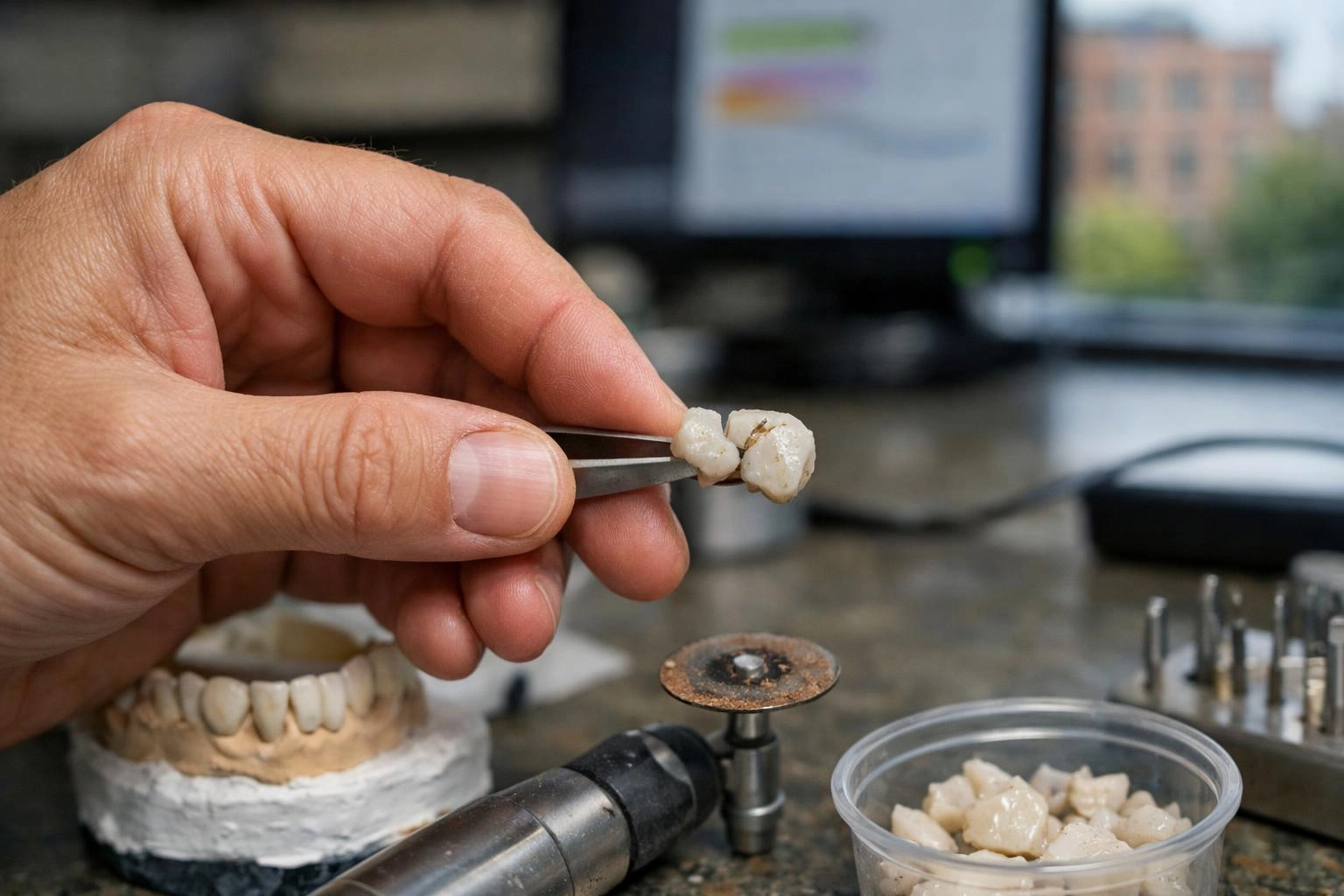
Zirconia bridges can cost more than standard metal-ceramic bridges, and their hardness can create a rougher feel against natural teeth if the finish is not ideal. The tradeoff is strength and long life, but Chicago patients should compare fit, polish, and bite behavior, not just the material name, before choosing.
| Factor | Zirconia bridge | Metal-ceramic bridge |
|---|---|---|
| Typical cost | Often higher, especially with custom fit and polish | Often lower for a standard case |
| Strength | Very strong ceramic strength | Strong, with a long track record |
| Longevity | Can last well when fit and maintenance are good | Also durable, especially with routine checks |
| Tooth interaction | May be more abrasive if surface roughness is present | Often more forgiving when polished well |
The real decision is not just zirconia versus a metal-ceramic bridge. It is also about edge fit, bite contacts, and whether the teeth it meets need extra protection. Busy Chicago schedules can delay follow-up polishing, so it helps to choose a restoration you can maintain.
Why Is a Dental Bridge Not Recommended for Some Patients?
A dental bridge is not recommended when the support teeth or surrounding oral health cannot handle the load, when cleaning access is poor, or when the bite is already unstable. In those cases, bridge stress, plaque retention, and long-term wear can outweigh the benefits for Chicago patients.
Support teeth must be healthy enough to carry the bridge load. If they already have decay, gum loss, or heavy wear, adding a bridge can raise risk instead of helping. Poor home care can also create food traps that are hard to clean under the pontic and around the edge.
Other risk factors include active clenching, sensitivity, and uneven bite contacts. Winter jaw tension in Chicago can make those problems more noticeable, especially when dry indoor heating leaves tissues irritated. In those situations, a dentist may suggest another prosthetic dentistry option or delay treatment until the mouth is stable.
What Is the Downside of Having a Dental Bridge?
The downside of having a dental bridge is that it depends on neighboring teeth, can be harder to clean, and may trap food around the edges if hygiene is inconsistent. That can increase decay or gum irritation over time, so maintenance and professional checks are essential.
It also requires tooth preparation on the supporting teeth, which is a permanent change. If the bridge is not checked often, small fit problems can become a bigger repair later.
When Should You Call a Dentist About Zirconia Crown or Bridge Discomfort?
Call a dentist if a zirconia crown or bridge feels rough, causes new sensitivity, changes your bite, or seems loose. Chicago patients should also get checked if food keeps packing under the bridge or if chewing feels uneven, because small fit issues can turn into bigger wear problems.
Early professional evaluation can prevent longer-term wear, repair cost, and extra damage to opposing teeth. If the problem is a simple bite adjustment or polish issue, it is usually easier to fix sooner rather than later.