Single Tooth Dental Implants Cost in Chicago, IL
Single tooth dental implants cost in Chicago usually includes the implant post, abutment, and crown. It can also include extraction, bone grafting, imaging, and sedation. Many patients pay more when insurance leaves out implant parts or when the tooth must come out first. The final price depends on the implant type, tooth location, and whether you need a molar, multiple-tooth solution, or a replacement after extraction. A consultation gives the most accurate total and helps you compare all-in treatment options.
What Does a Single Tooth Dental Implant Cost in Chicago?
Single tooth dental implant cost in Chicago usually reflects the full treatment steps. That includes surgical placement, abutment connection, and the final crown. The total changes based on the implant system, diagnostics, sedation, and whether the case is simple or needs extra work like extraction or bone grafting.
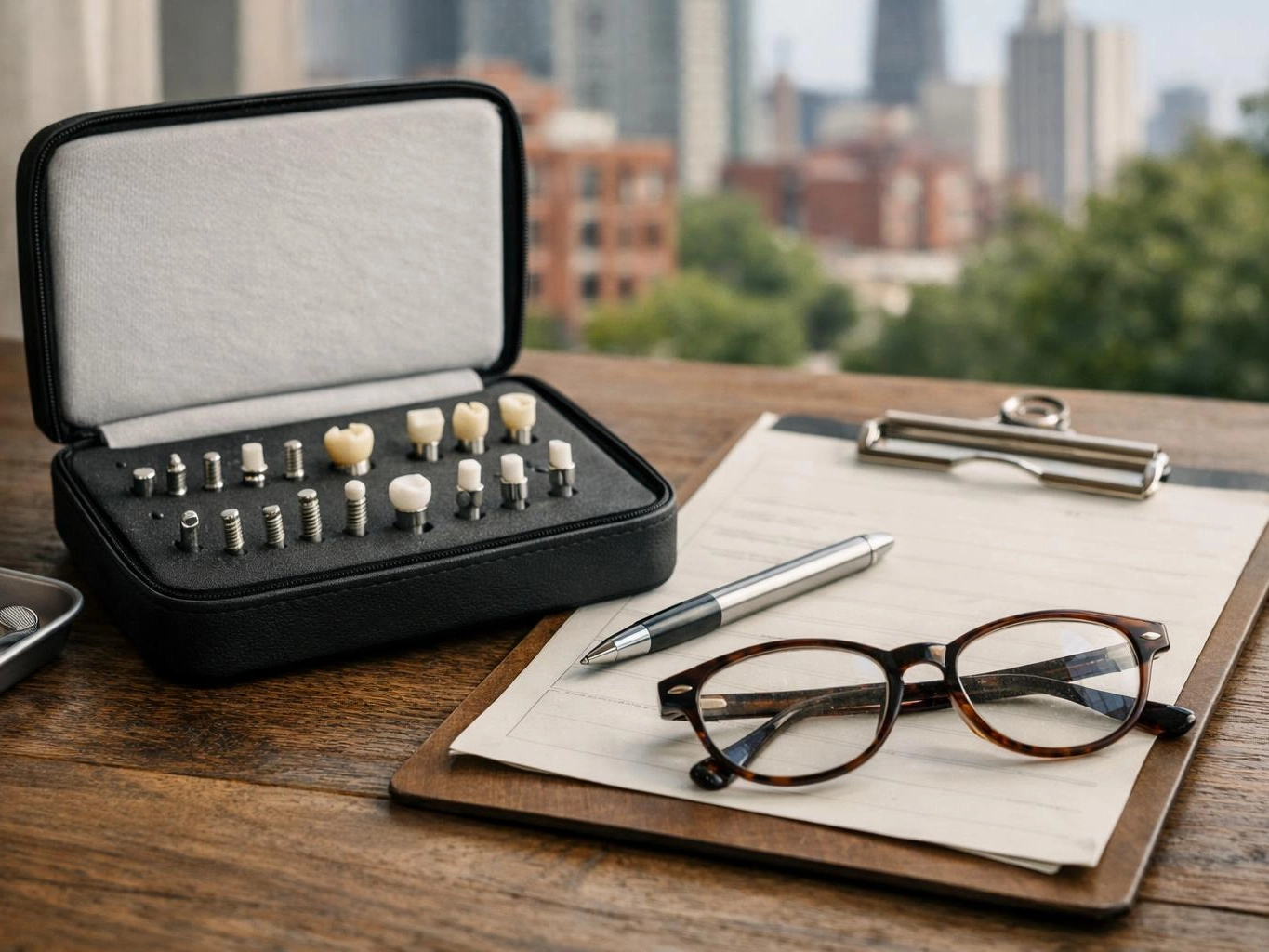
For many patients, the quote for a Dental implant for one tooth price is not one number but a bundle of steps. A typical estimate may include the implant fixture, the implant post, the abutment, and the dental crown, plus a CBCT scan, treatment planning, and follow-up visits. In some cases, osseointegration time is built into the schedule, while Other offices add fees for surgical placement, sedation dentistry, or a temporary implant-supported crown.
Chicago patients often see bigger price gaps than they expect. Local overhead and specialist demand can push fees above simpler suburban or national averages. Downtown offices may bundle more convenience, while neighborhood clinics may price things differently based on parking, commuter access, and how much prosthodontics support is included. Winter weather can also disrupt follow-up visits, so timing and coordination sometimes matter as much as the treatment line items.
| Cost component | What it may cover | Typical role in the quote |
|---|---|---|
| Implant post | Fixture placed in the jaw | Foundation for the replacement tooth |
| Abutment | Connector between fixture and crown | Supports the final restoration |
| Crown | Visible tooth-shaped restoration | Completes function and appearance |
| Common add-ons | Imaging, extraction, grafting, sedation | Raises the all-in total when needed |
Single Tooth Dental Implant Pricing by Treatment Tier
Single tooth implant pricing is easiest to compare by tier, because clinics bundle different services into each quote. Basic cases cover simple placement and restoration. Standard cases add common diagnostics and minor extra care, and premium cases include more advanced planning, sedation, or surgical complexity.
These are typical ranges, not fixed prices. The real all-in cost depends on bone quality, the treatment plan, and whether your case is a straightforward single-tooth replacement or a more complex dental restoration. Many Chicago clinics also price differently depending on whether the visit is downtown or in a neighborhood office with different overhead and parking costs.
| Tier | Typical price range | What is usually included |
|---|---|---|
| Basic tier | Typical lower range for a simple case | Placement, abutment, and crown with limited extra care |
| Standard tier | Most common midrange quote | Diagnostics, treatment planning, routine imaging, and common follow-up |
| Premium tier | Higher range for complex care | Advanced planning, sedation, grafting, or more involved surgery |
Premium quotes are more common when the tooth site needs extra work. They also show up when the patient wants a more comfortable sedation experience, or when the provider expects a longer surgery. If you are comparing offices, ask whether the number includes the implant-supported crown, imaging, and return visits, because those items can change the real price more than the headline figure.
Does Dental Insurance Cover a Single Tooth Implant?
Dental insurance may reduce the out-of-pocket cost for a single tooth implant, but many plans limit coverage for the implant post itself. They may only help with the crown, extraction, or imaging. The final benefit depends on annual maximums, plan exclusions, and whether the insurer treats parts of treatment as restorative or surgical.
For dental insurance benefits, the most important question is what the plan classifies as covered care. Some plans pay a portion of the dental crown or the extraction socket care after removal, while others exclude the implant fixture and the abutment. That means the out-of-pocket cost can stay high even when the plan helps a little.
Patients also ask about medical necessity, but that does not guarantee payment. Coverage limits may apply if the plan caps yearly benefits, requires preauthorization, or limits implant benefits to a small dollar amount. In Chicago, people often compare a downtown specialist with a neighborhood office because office overhead, sedation access, and bundled billing can make the same plan look better or worse depending on how the quote is built.
If you are comparing single tooth dental implant cost with insurance, ask for a written breakdown before treatment. That lets you see whether the plan is helping with the restoration, the imaging, or only a small part of the surgery. It also helps you estimate the true patient balance before you commit.
What Changes the Cost of a Single Tooth Extraction and Implant?
A single tooth extraction and implant cost rises when the tooth must come out first, when the socket needs grafting, or when the site needs more healing before placement. Immediate implants can reduce the number of visits, but not every tooth or infection case qualifies for same-day placement.
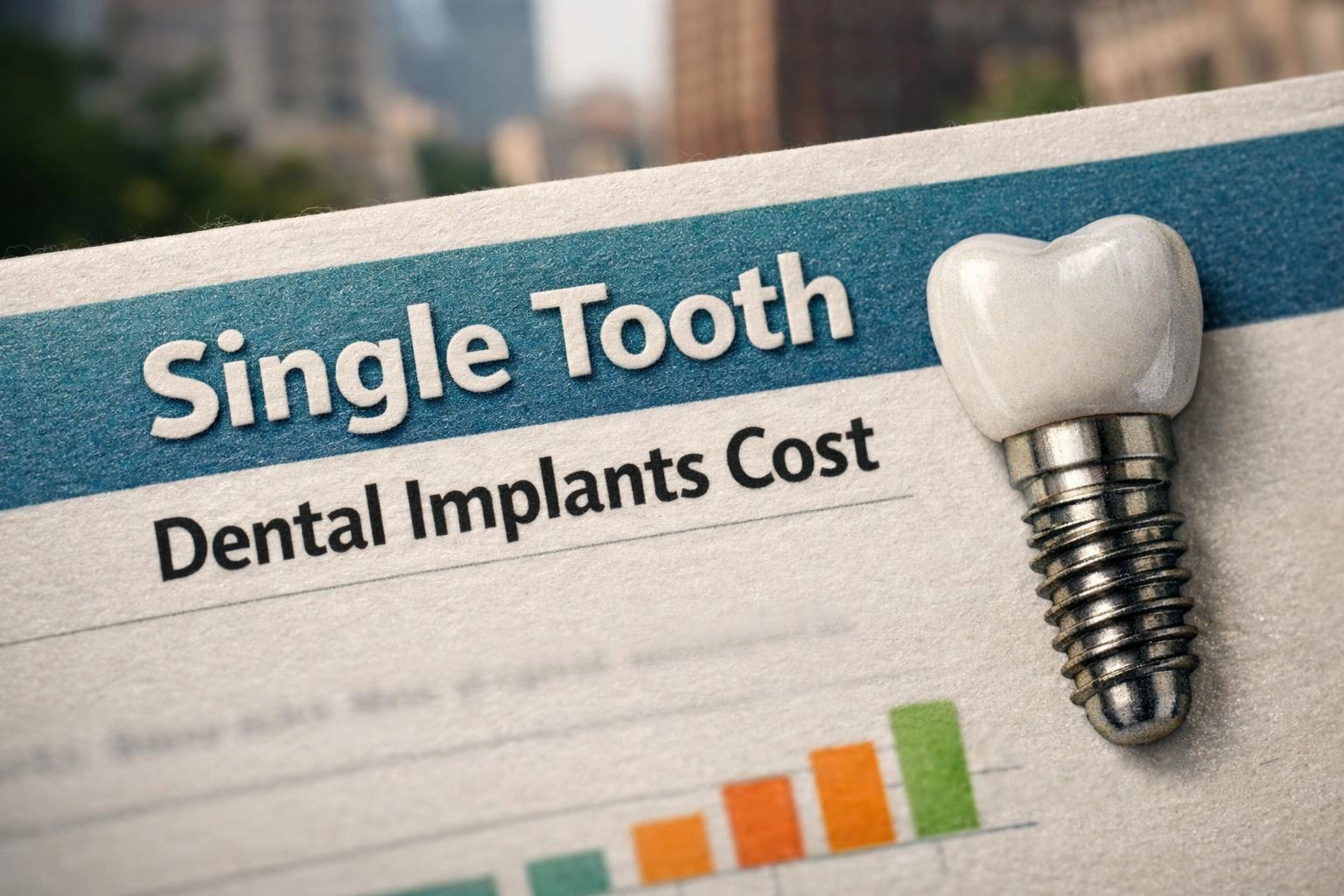
The biggest drivers are the condition of the tooth extraction, the health of the extraction socket, and whether the site has enough bone for stable placement. If the area shows infection, the surgeon may need to delay placement, clean the site, or add bone grafting so the jaw can support the fixture long term.
Immediate implant placement can be efficient because it shortens the treatment timeline and may reduce the number of appointments. Still, it is not the right choice for every case. Some patients need healing time first so the tissue can settle, and that extra time can affect convenience, especially during Chicago winters when weather disruptions make follow-up coordination harder.
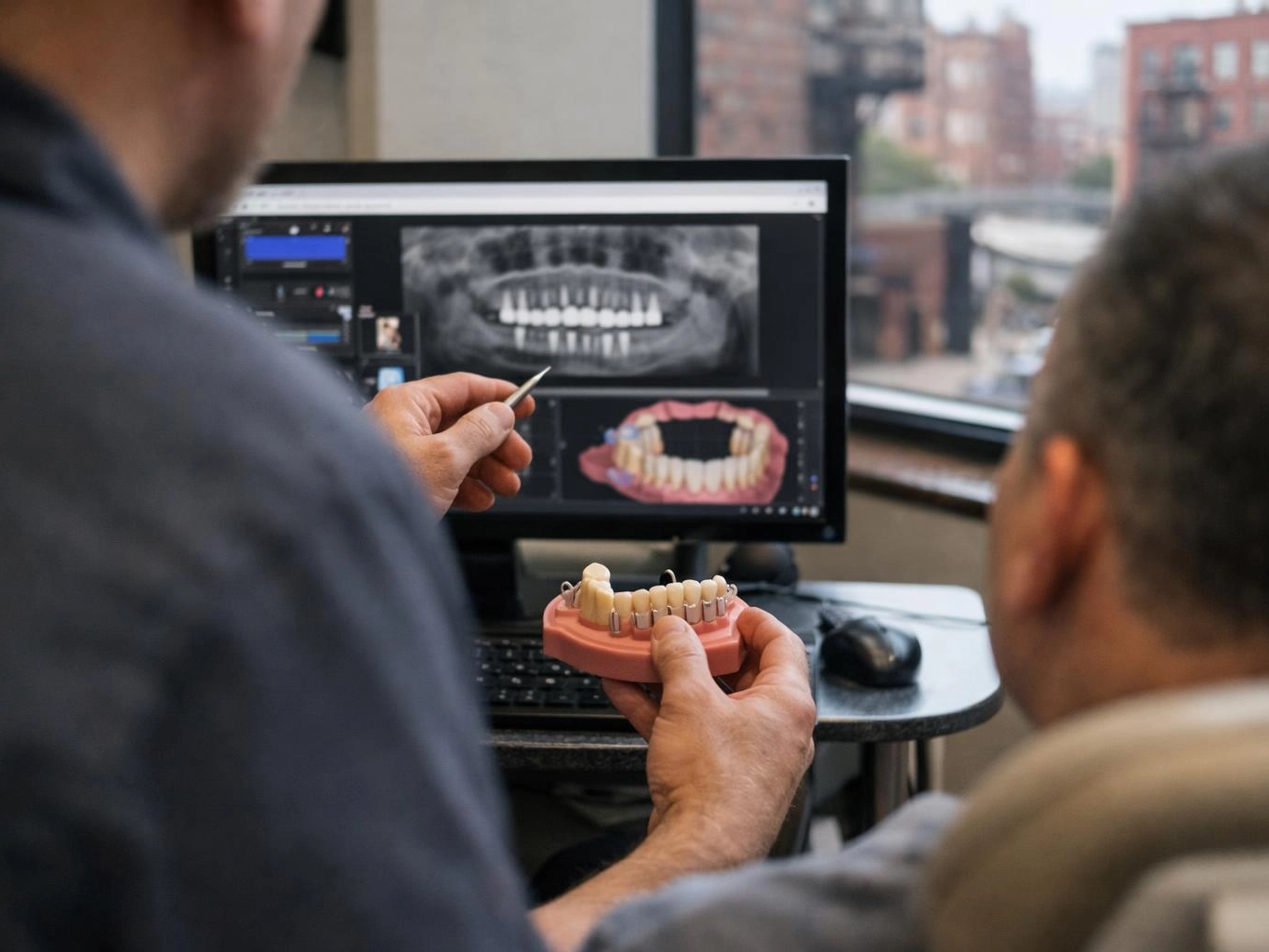
Bone density, bite force, and periodontal health all affect planning. A front tooth may be simpler from a load standpoint, while a back tooth often needs more support. A careful treatment plan protects the final restoration and avoids surprises once the surgical placement is complete.
Which Single Implant Types Are Used for One Tooth?
Single implant types for one tooth usually include titanium or zirconia systems, with endosteal implants being the most common foundation. The best option depends on bone volume, bite force, esthetics, and whether the replacement is for a front tooth or a single implant molar that must handle heavier chewing pressure.
Material choice is only part of the decision. The final selection also depends on bone density, the bite, and whether the provider expects immediate load or a slower healing sequence. A well-planned restoration should match the tooth’s position, especially when the replacement sits in the back of the mouth and takes heavier force.
Can One Implant Replace Two Teeth?
One implant can sometimes support a bridge for two teeth, but it is not the same as replacing two teeth with two individual implants. When space, bite, and bone conditions allow, a single implant with a bridge can lower cost, yet the final plan must protect function and long-term stability.
For patients asking about 1 dental implant for 2 teeth cost, the answer depends on whether the dentist recommends an implant-supported bridge or separate fixtures. In a two-tooth replacement, the pontic can span the missing space, but only if the supporting design can handle daily chewing without overloading the implant. That is why planning is key in prosthodontics and oral surgery alike.
This approach may save money, but it is not always the best fit for a molar area or a high-bite-force situation. The office should explain whether the goal is a true two-tooth replacement or a simpler treatment that uses one anchor to support a limited bridge.
How Can You Lower Single Tooth Implant Costs Without Cutting Quality?
You can lower single tooth implant costs by comparing all-in quotes, asking what is included, timing treatment around insurance benefits, and choosing a plan that avoids unnecessary add-ons. The best savings usually come from clear diagnostics, bundled treatment, and a provider who explains every line item before surgery.
In Chicago, the best value is usually not the cheapest line on the estimate. It is the plan that gives you accurate diagnostics, enough time for osseointegration, and a restoration that fits your bite without repeat work. That approach protects both cost and long-term comfort.
Frequently Asked Questions
Related Resources
Dental Implants Checklist Before Full-Arch Treatment
dental implants checklist before full arch treatment
What Goes With ItDental Tourism and Dental Implants in Mexico
dental tourism for dental implants in mexico
Compared ToSingle vs Multiple Dental Implants
Compared ToPorcelain Veneers vs Composite Veneers