What Dental Tourism Is for Chicago Patients
Dental tourism is when a patient travels outside their local area for dental care. People usually do it to lower costs, get faster visits, or pair treatment with a trip. In Chicago, IL, it means comparing local clinics with out-of-state or international options. You also need to check credentials, plan follow-up care, and match travel plans to treatment needs. For complex procedures, the best choice balances price, safety, follow-up care, and recovery time, not cost alone.
Quick Answers About Dental Tourism
Dental tourism is planned travel for dental treatment. People often do it to cut costs or shorten wait times while combining care with a trip. For Chicago patients, it usually means comparing local dentistry with regional or international clinics. It also means confirming credentials and planning follow-up before you leave.
| Question | Direct answer |
|---|---|
| What is dental tourism? | It is travel for dental care, usually with cost savings or faster access in mind. |
| What is a dental vacation? | It is a trip where leisure travel is planned around dental work and recovery time. |
| What is the dental tourism experience? | It usually starts with remote consultation, then treatment, recovery, and post-trip monitoring. |
| Why do Chicago patients consider it? | They compare price, wait times, and provider credentials against local options. |
| What matters most? | Safety, follow-up care, and a realistic treatment plan matter more than savings alone. |
What Is Dental Tourism, and How Does It Work?
Dental tourism what is it? It is organized dental care outside your home area, often in another city or country. The patient schedules procedures, travel, and recovery around one treatment plan. It works best when the clinic is vetted and the aftercare path is clear before you leave Chicago.
The process usually begins with a consultation, often remote. The clinic reviews records, photos, and x-rays. Then it builds a treatment plan for work like crowns, veneers, dental implants, or oral surgery. The patient books flights, hotel nights, and time off work around that plan. That is where travel logistics matter. Short layovers, weather delays, and healing time can all affect the visit.
For Chicago patients, winter weather can make pre-op and post-op travel harder, So recovery timing and flight flexibility matter more during cold months. Chicago’s airport access can help with outbound and return travel, but connection delays can still affect treatment and follow-up windows. If you need routine aftercare or possible revision work, line up a local provider in advance.
Cross-border dentistry is not the same as a quick trip for a cleaning. It is closer to medical tourism, where the patient accepts more planning in exchange for possible savings or speed. The safest version includes clear consent, verified accreditation, and a plan for any complication once you are back in Illinois.
What Is a Dental Vacation?
What is dental vacation? It is a trip built around dental work. The patient combines treatment with leisure travel before or after the procedure. The main difference from ordinary tourism is that appointments, healing time, and possible follow-up visits shape the trip.
A dental vacation may fit elective dental procedures like veneers or cosmetic upgrades. Still, the timeline has to match the body’s healing needs. A person getting crowns may only need brief downtime. Someone with implants or oral surgery may need a longer recovery and fewer sightseeing plans. That is why recovery time belongs in the travel budget.
Chicago travelers often weigh missed work, flight costs, and the chance of an extra visit against the appeal of a bundled trip. A getaway can sound great, but a complication can quickly erase savings. It may mean a longer stay or a second trip. The smartest plan stays flexible and leaves room for rest, not just tourism.
What Does the Dental Tourism Experience Look Like?
The dental tourism experience usually starts with remote consultation, treatment planning, and records review. Then it moves to travel, in-person procedures, recovery, and post-trip monitoring. Patients often choose it for crowns, implants, veneers, or full-mouth work. Success depends on communication, timing, and whether the clinic can support continuity of care.
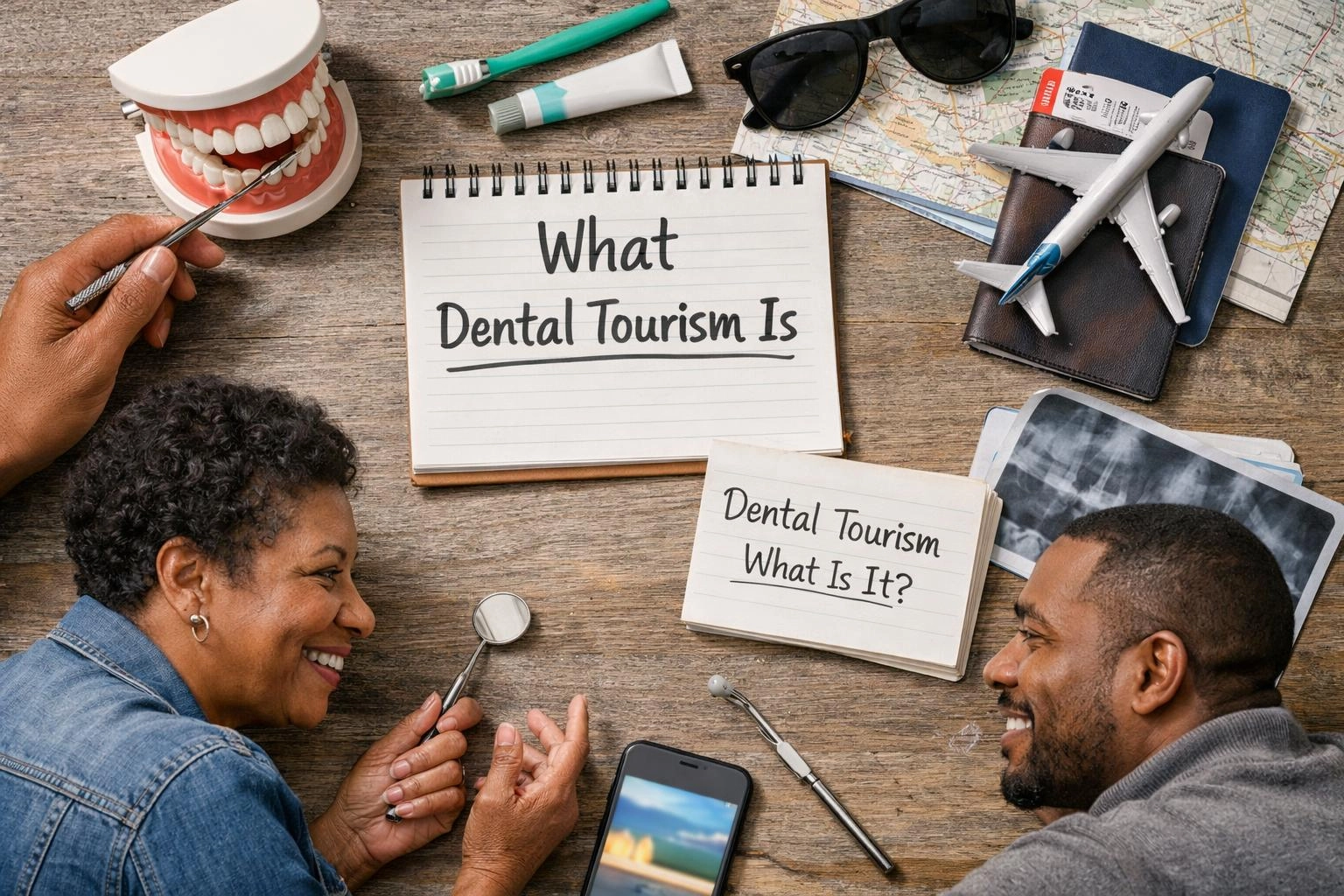
A typical path begins with photos, scans, and questions about health history. After that comes a proposed schedule for one or more visits. For implantology, the clinic may stage the work so the implant and restoration are not done on the same day. For crowns or veneers, some offices can finish more in one trip, but only if the case is simple enough.
During the trip, the patient sees the dentist in person, signs final consent, and gets the procedure done. Then comes recovery. That may include swelling, soft foods, medication, and limited activity. The final step is post-trip monitoring. This matters because the best clinics do not disappear after checkout. They answer questions, share records, and support follow-up care with a local dentist if needed.
For Chicago residents, that handoff is crucial. If you return home with discomfort, a loose temporary crown, or healing concerns, a local office should know what was done and when. Without that bridge, the experience becomes harder and riskier than the price quote made it seem.
How to Use a Dental Tourism Guide Before Booking?
A dental tourism guide helps patients compare clinics, understand procedure timelines, and lower risk before booking travel. The best guides explain how to verify credentials, review treatment plans, prepare records, ask about complications, and arrange follow-up care. That helps Chicago patients make choices based on safety and savings.
A good guide also helps you compare travel costs, missed work, and revision risk against local pricing. In many cases, those hidden costs narrow the gap more than patients expect. A solid guide does not promise the cheapest outcome. It helps you choose the safest practical one.
How to Judge a Dental Tourism Association or Directory?
A dental tourism association or directory can help patients find providers, but it should not replace independent verification. Look for clear listing standards, clinician credentials, facility accreditation, transparent pricing, and realistic claims. For Chicago patients, the safest use of a directory is as a starting point for comparison, not proof of quality.
A strong directory explains how listings are reviewed, whether membership standards exist, and how complaints are handled. That matters because some directories are more like ads than neutral resources. Good ones make it easy to compare a clinic’s accreditation, languages spoken, procedure focus, and communication style before you book a consultation.
Ask whether the directory checks licenses, hospital affiliations, sterilization standards, and the clinic’s history with cross-border dentistry. A clinic directory should also be honest about scope. A place that does cosmetic work well may not be the right choice for oral surgery or full-mouth rehabilitation travel. The safest approach is to use the directory as one layer in a wider review, not the final word.
Dental Tourism FAQs for Chicago Patients
These FAQs answer the most common questions Chicago patients ask about cost, safety, treatment types, and recovery when considering dental tourism. They are designed to clarify whether traveling for dental care makes sense, what to verify before booking, and when staying local may be the better choice.
Cost and Savings
Safety and Quality
Treatment and Recovery
Planning and Local Fit
Frequently Asked Questions
Related Resources
Dental Tourism and Dental Implants in Mexico
dental tourism for dental implants in mexico
What Goes With ItDental Tourism for All-on-4 and Full-Arch Implants
all on 4 dental implants in mexico
What Goes With ItDental Tourism for Full-Mouth Reconstruction
full mouth reconstruction in mexico
What Goes With ItDental Tourism for Porcelain Veneers and Smile Makeovers
porcelain veneers in mexico